

What one way vision film does on glass and windows
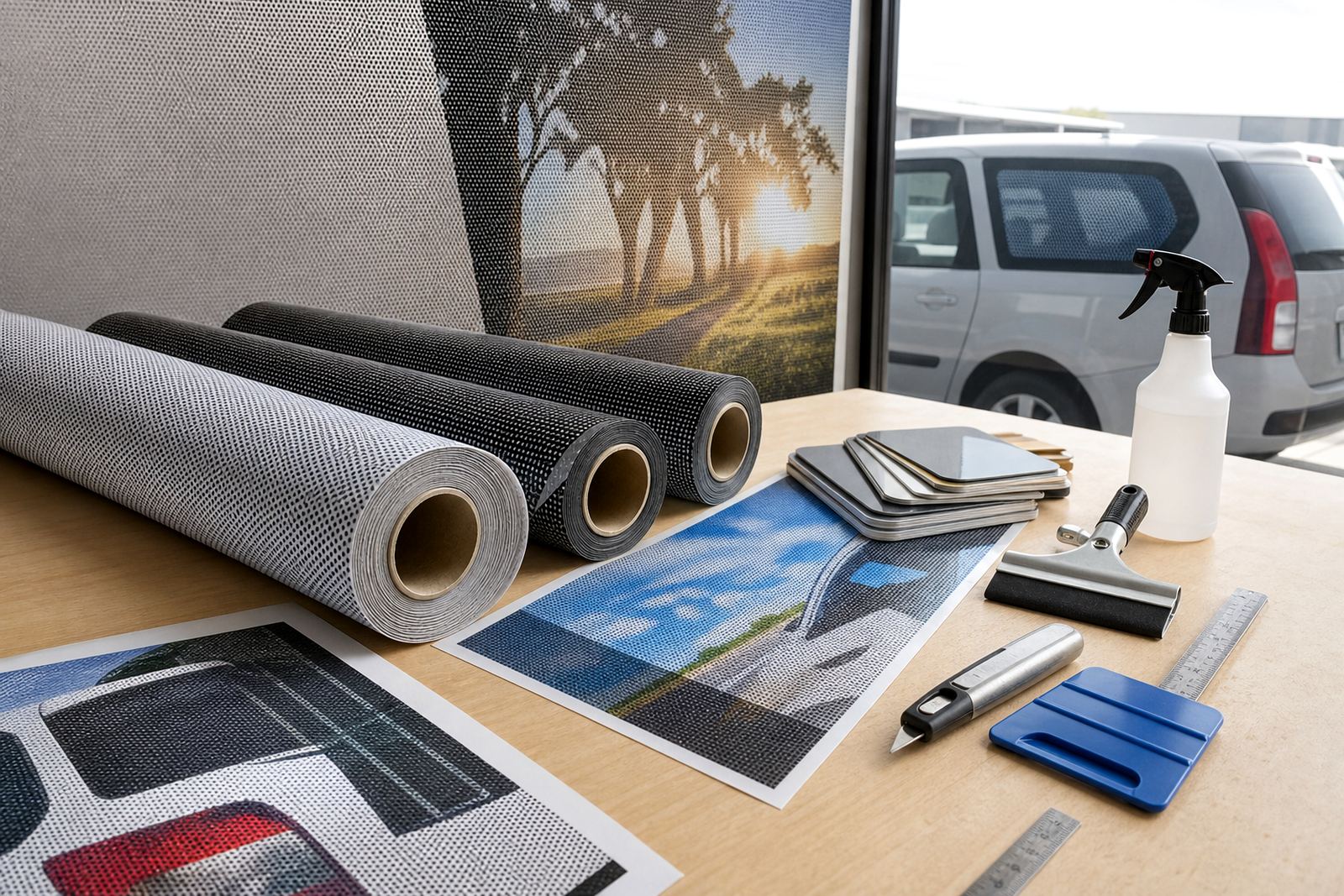
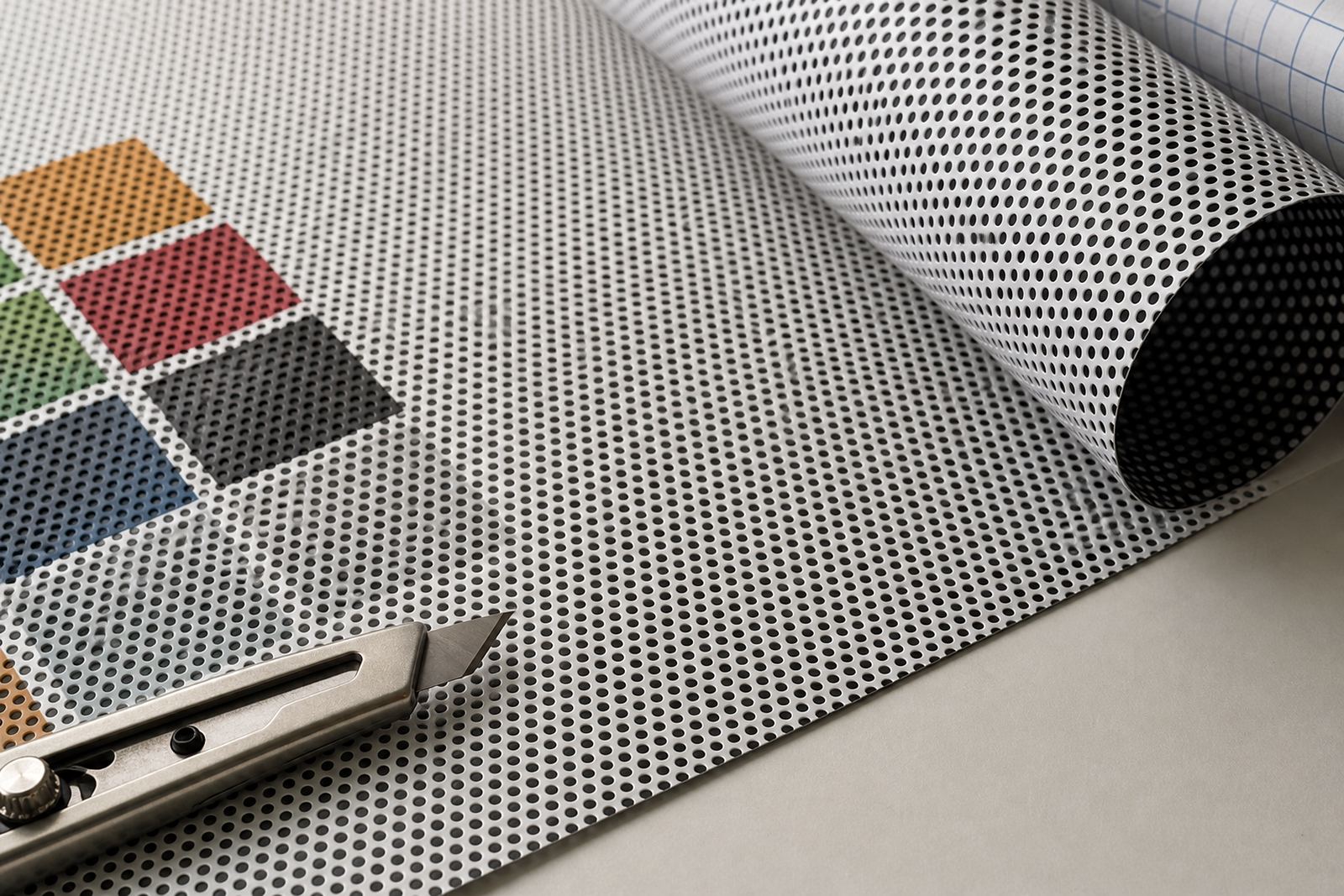
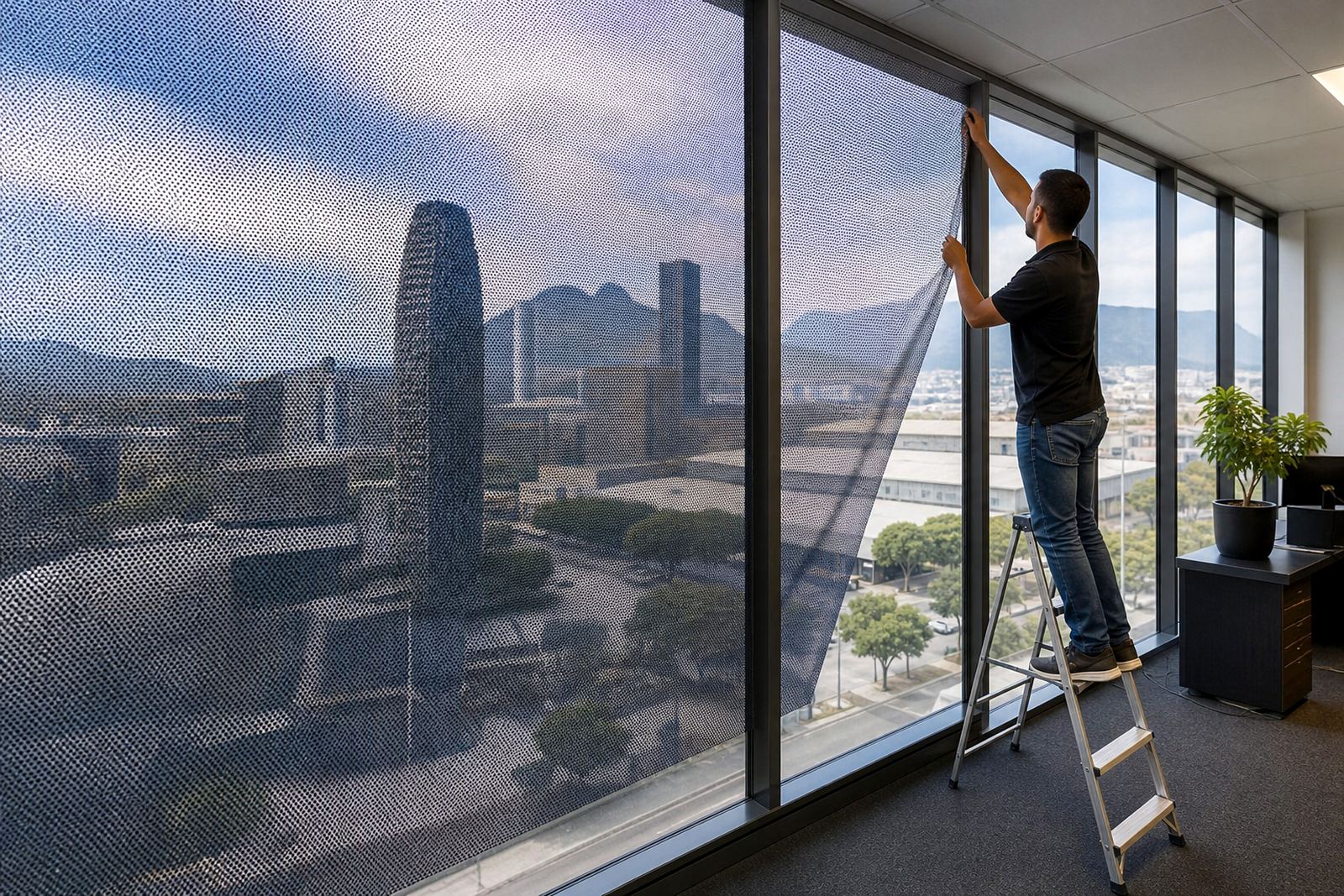
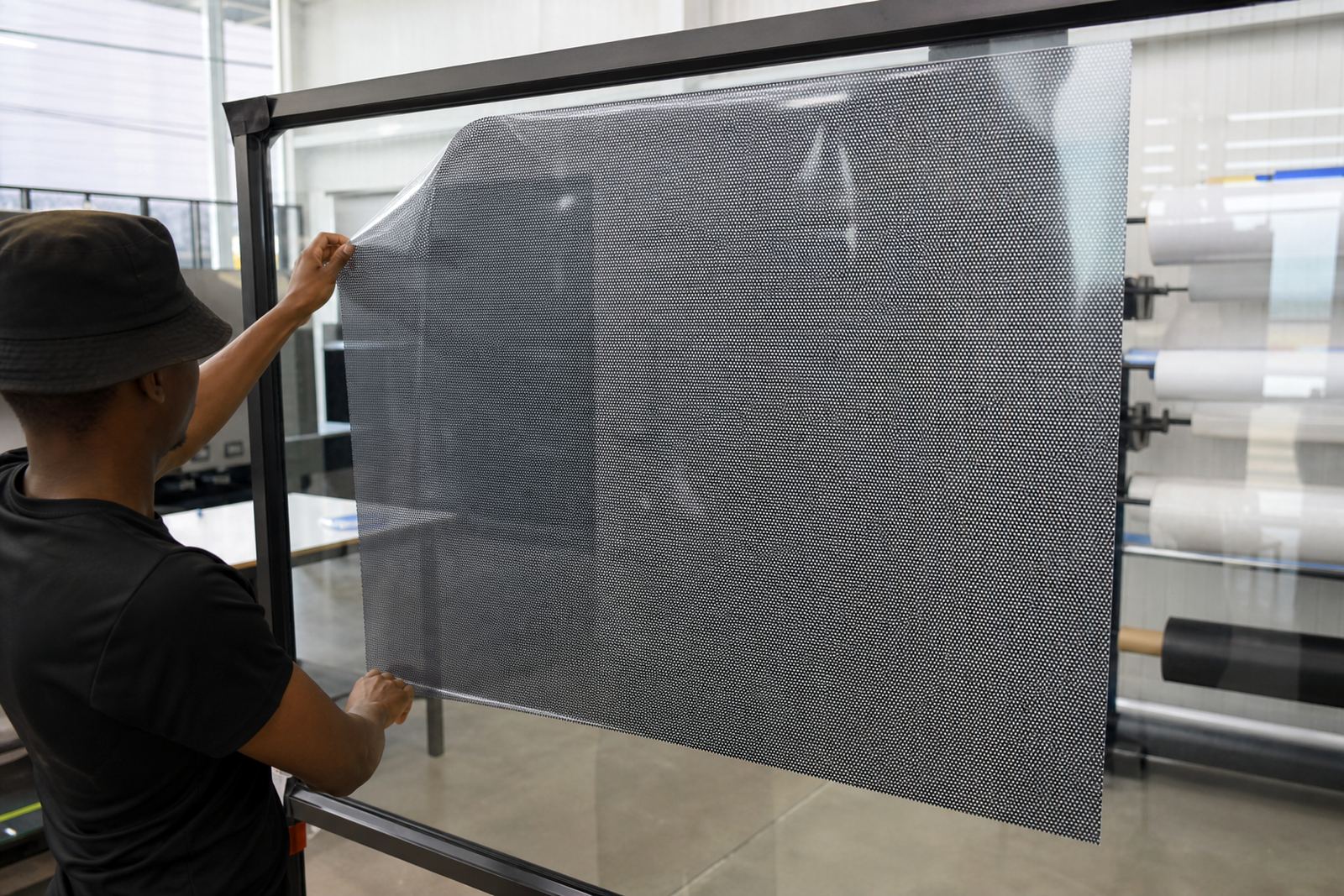
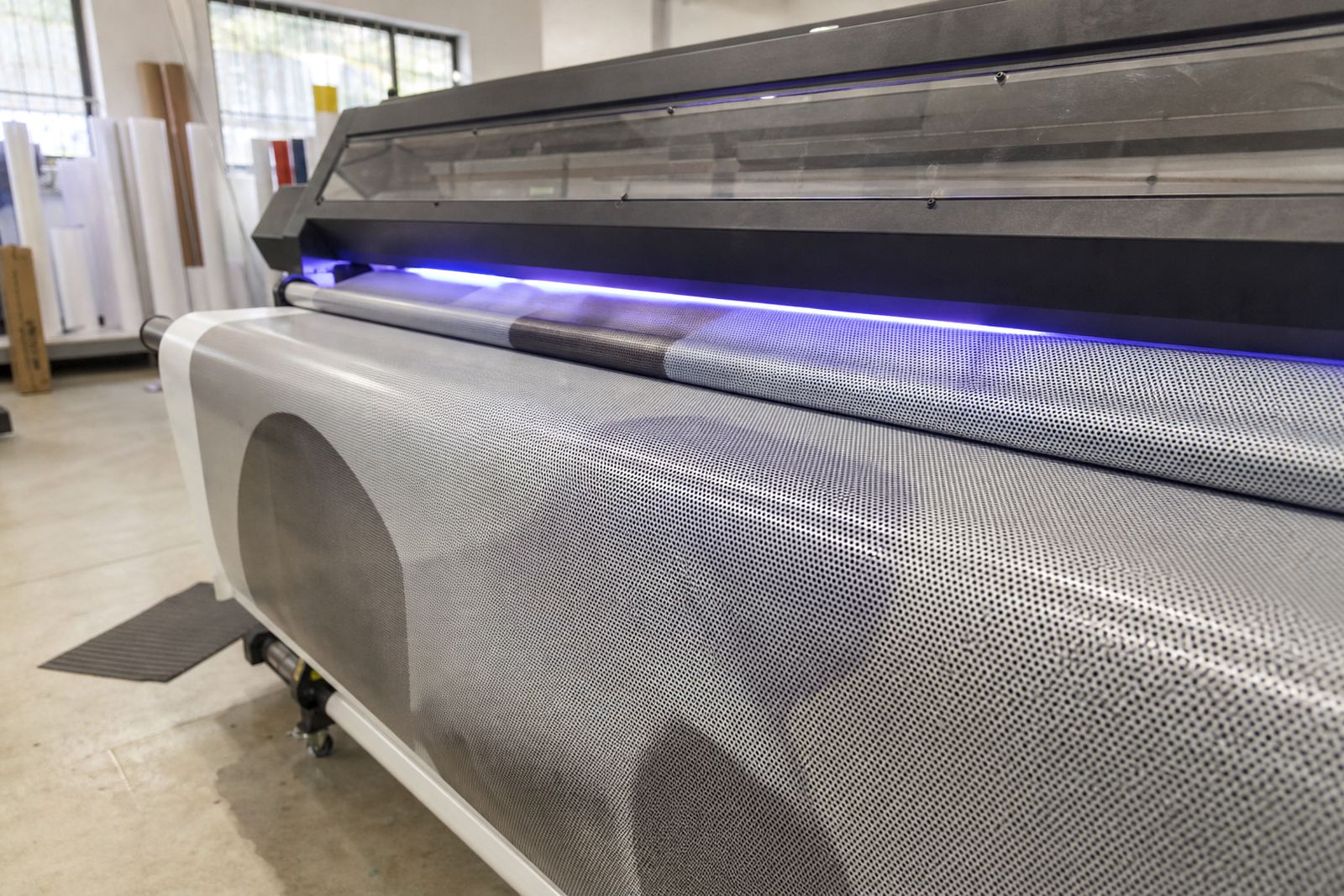
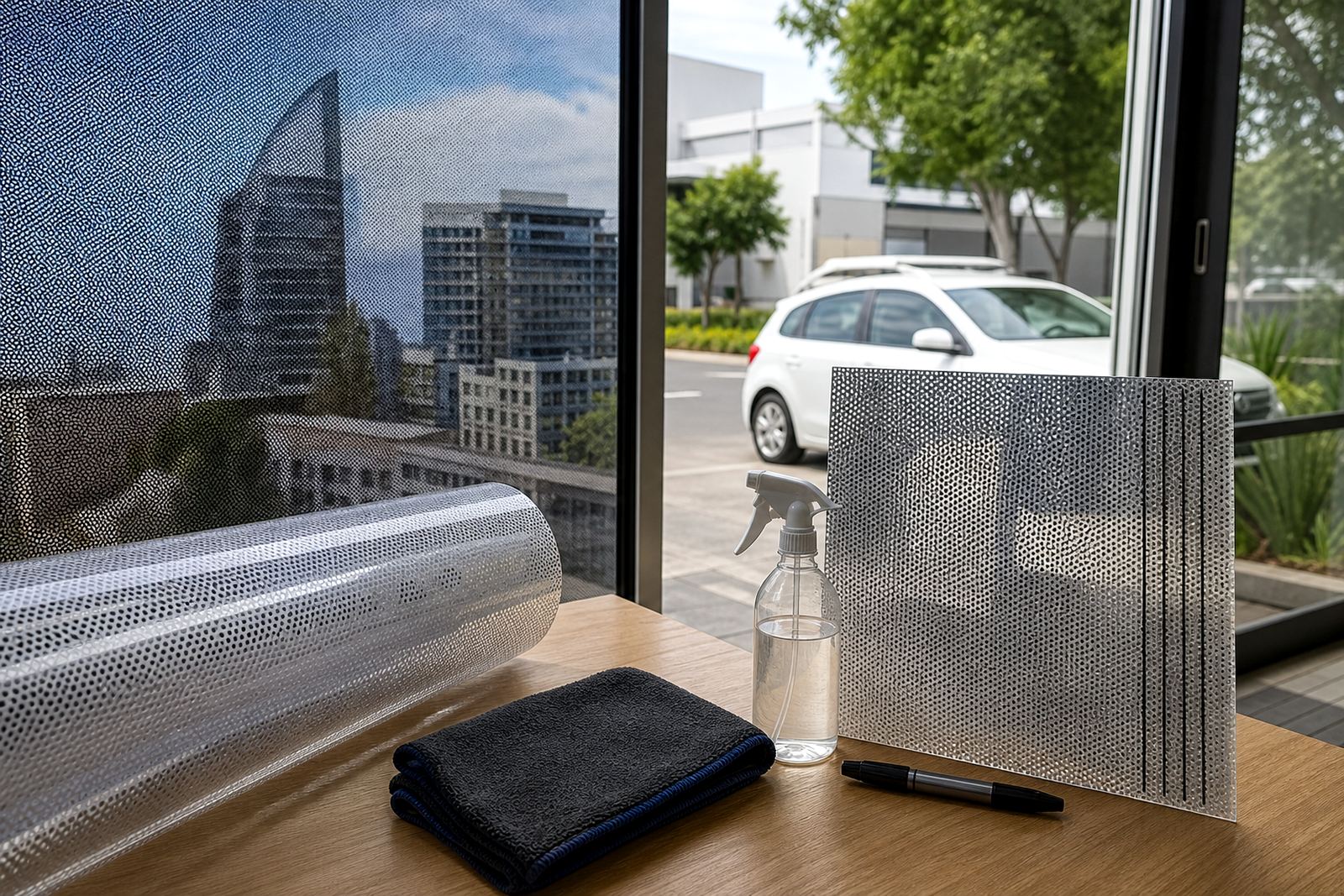
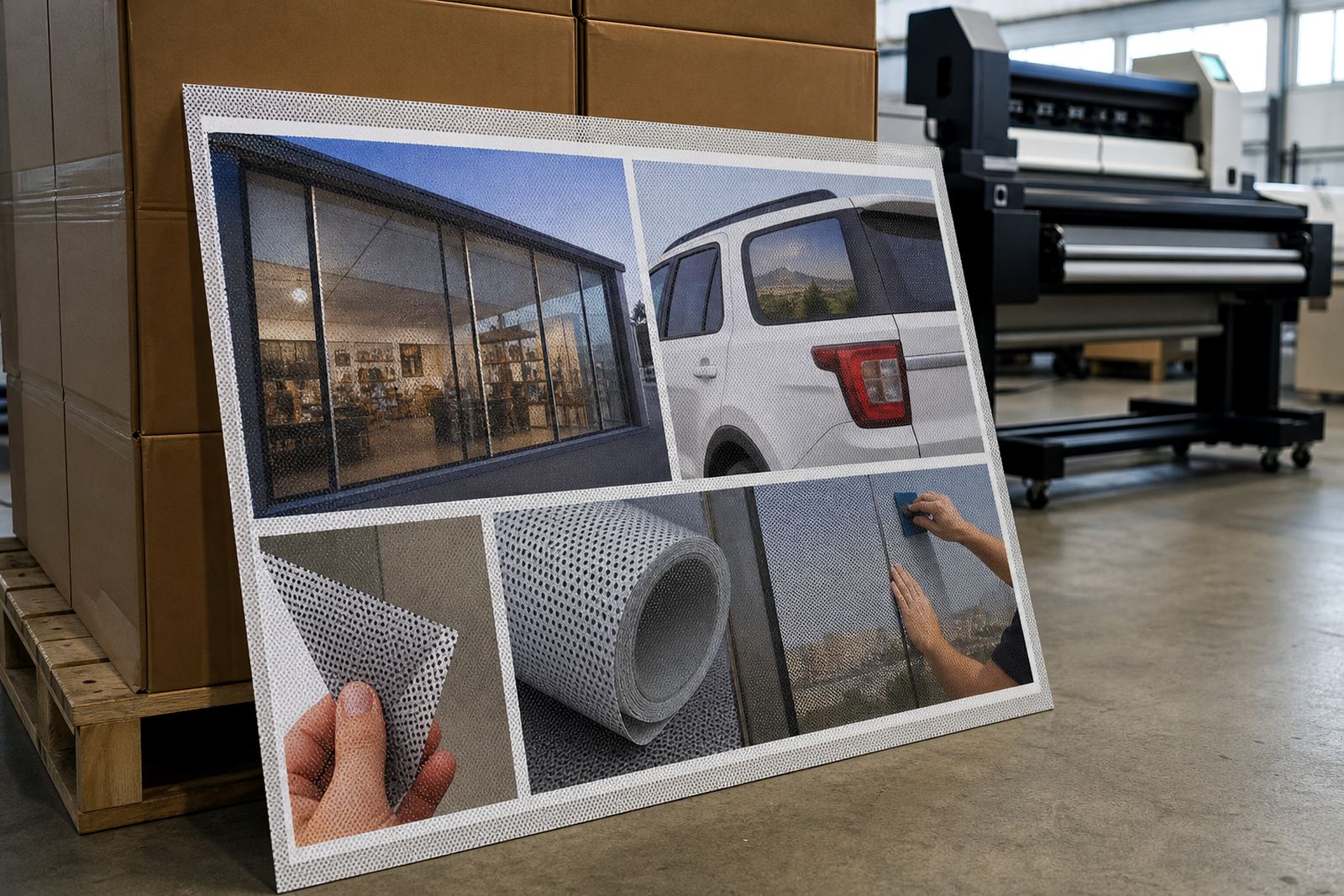
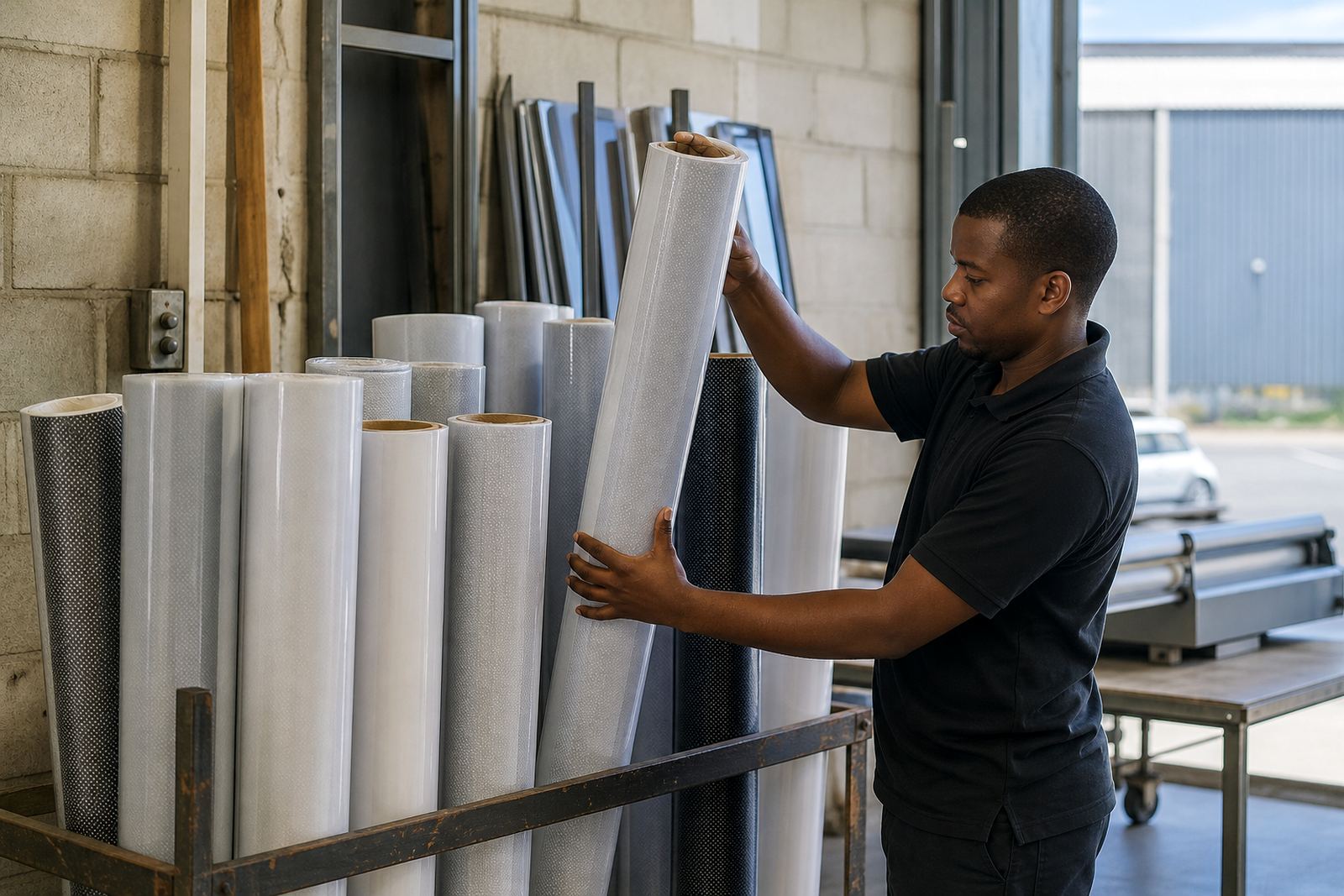
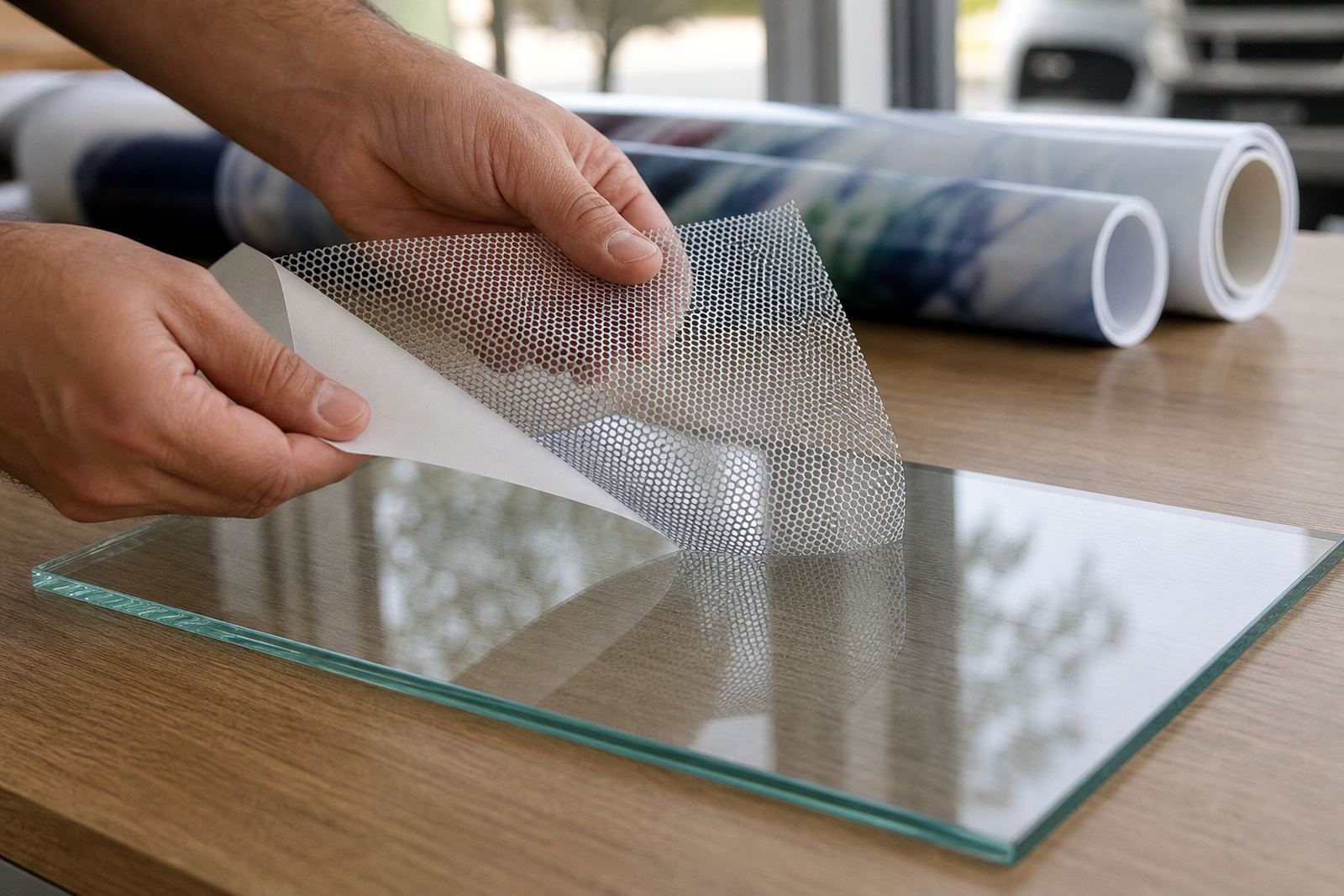
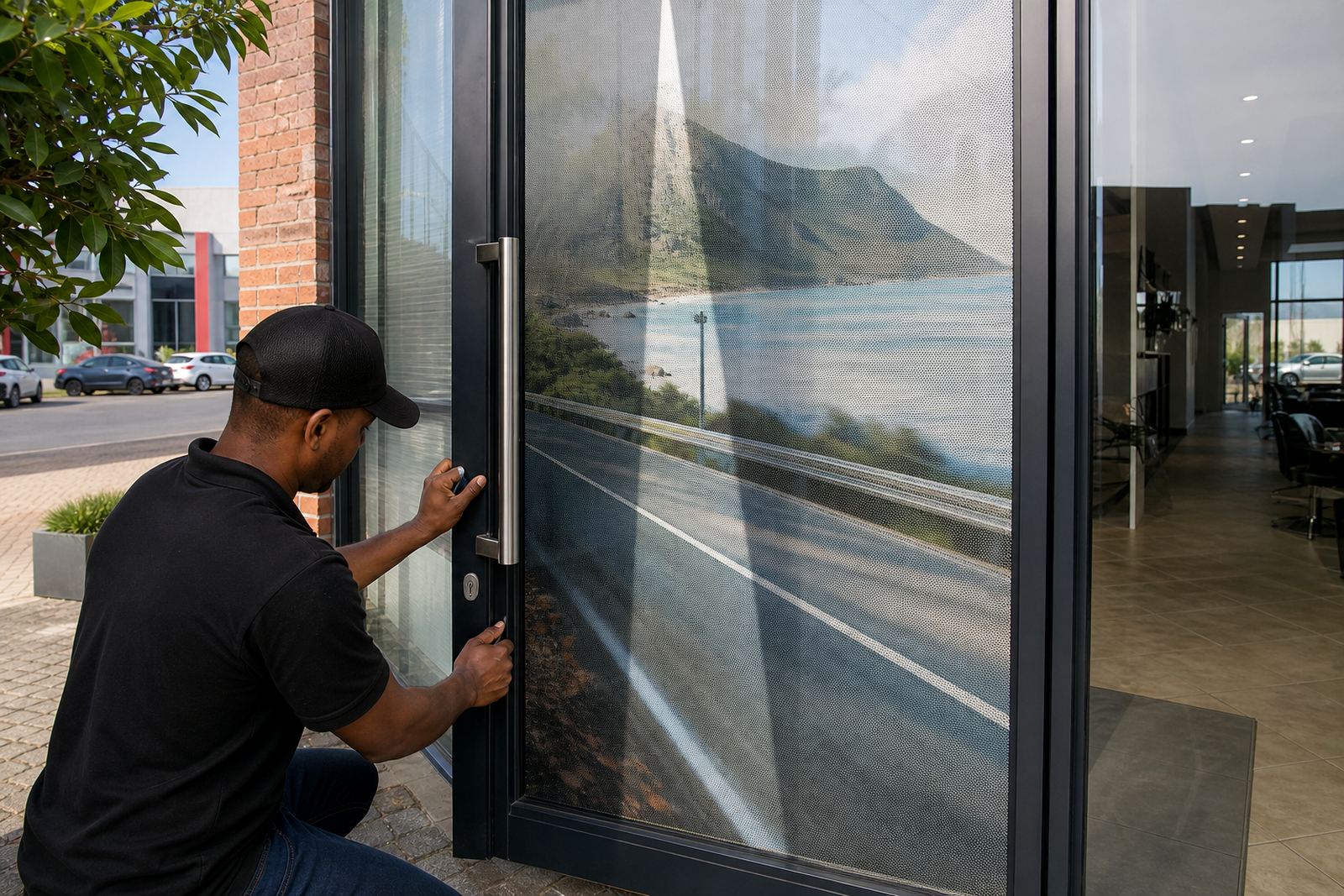
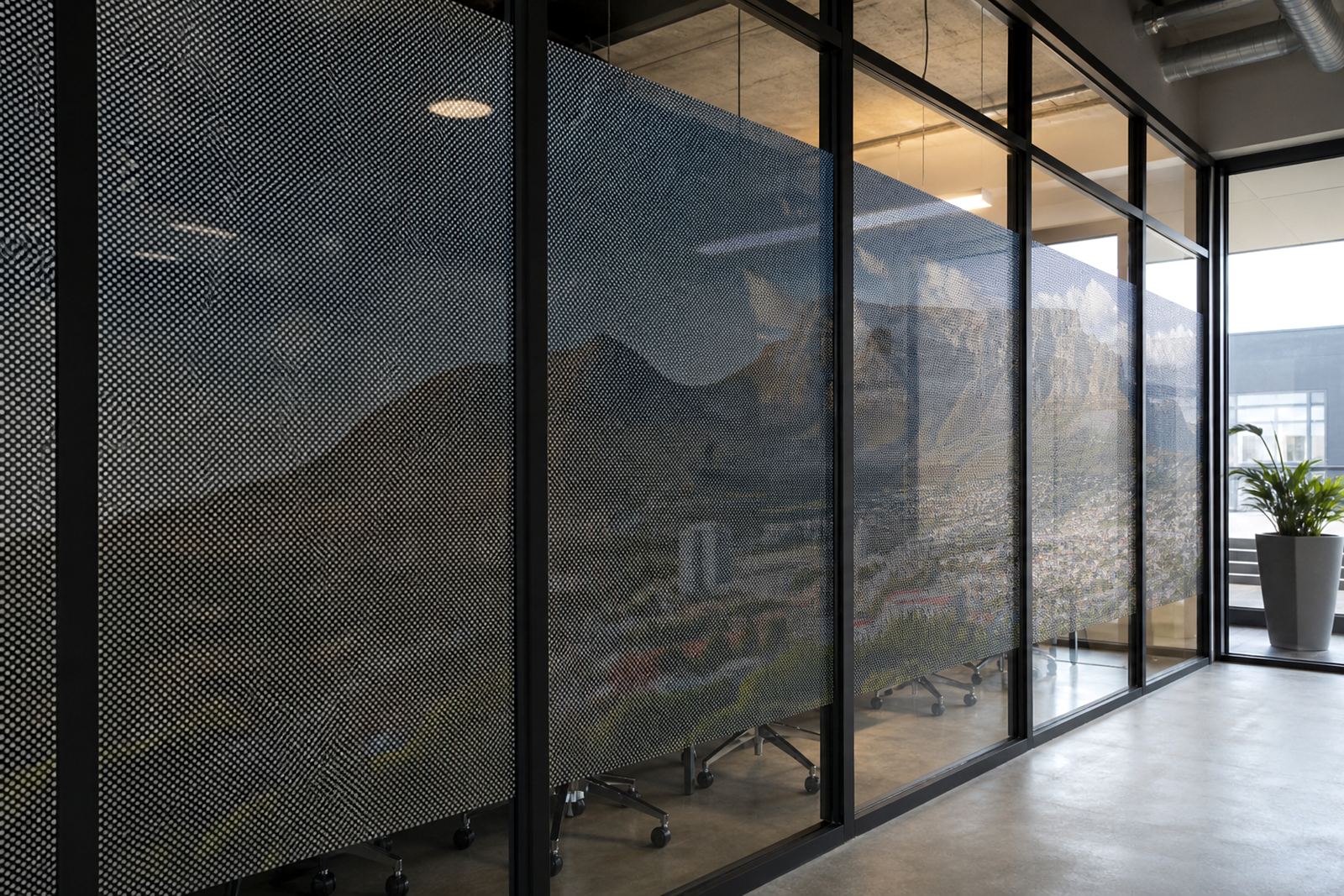
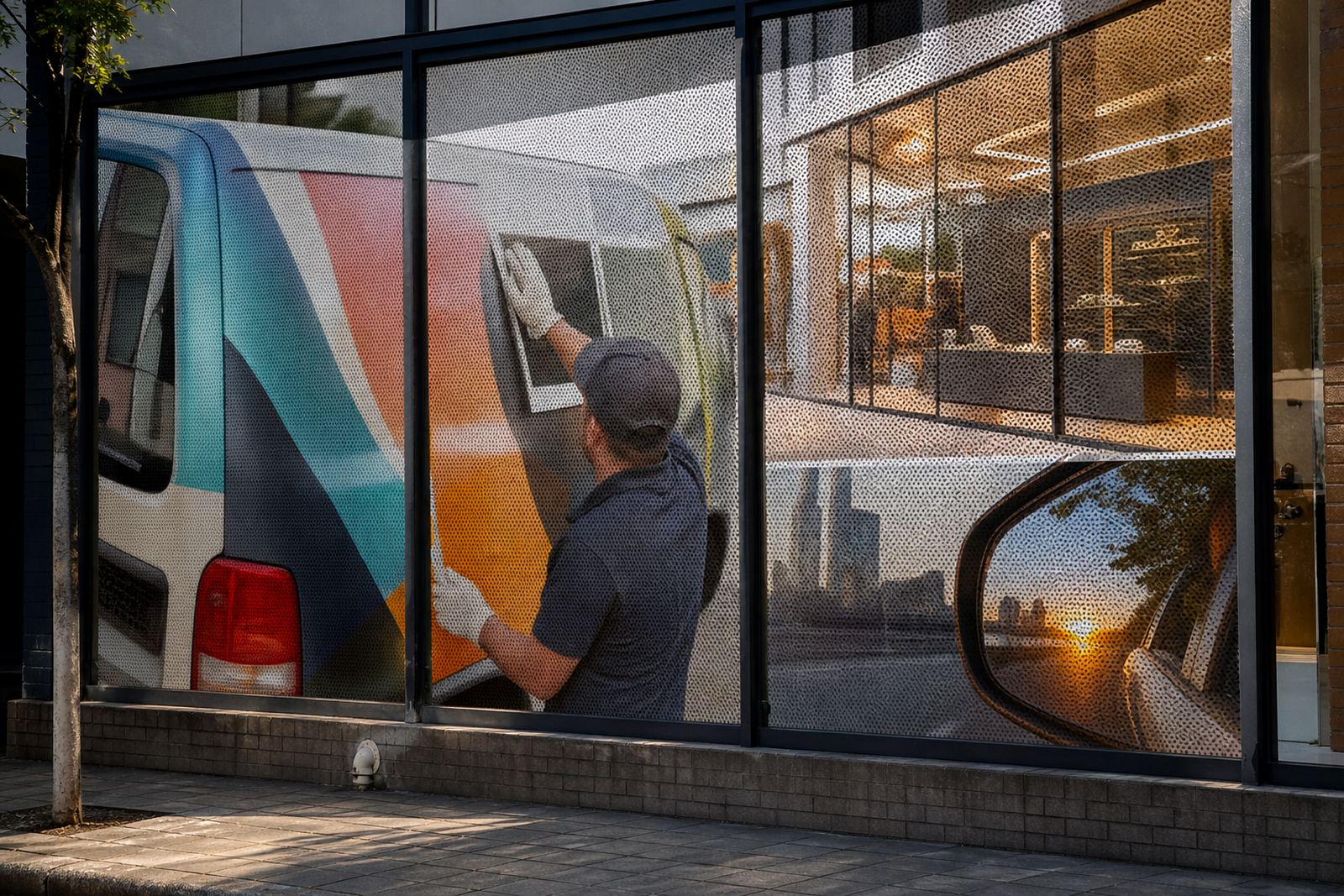
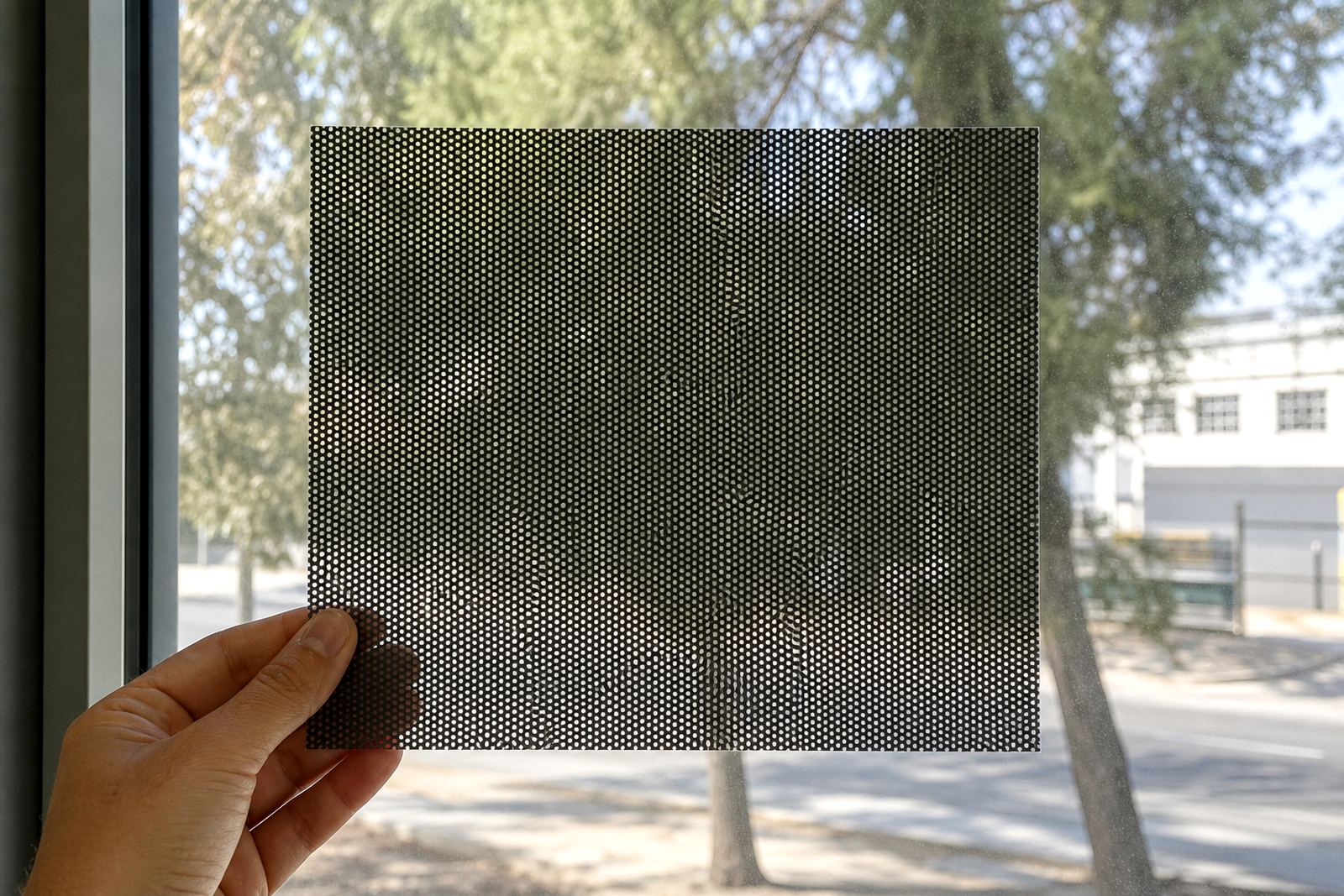
One way vision film is a perforated PVC film designed for glass and vehicle windows where you need outward branding without blocking the view from inside. The face side carries the printed image, while the perforations let light pass through and help maintain visibility from the interior. It is a practical choice for retail fronts, office partitions, courier vehicles and service fleets that need to show a message during trading hours and while on the road.
In South Africa, the right specification depends on where the film will be used, how much sunlight hits the glass, and whether the surface is flat or slightly curved. Shopfronts in Cape Town or Durban often need strong daylight readability, while vehicle windows need a cleaner balance between print coverage and driver visibility. For public roads, the driver view must stay legal so current road traffic rules should always be checked before finalising the layout.
Common perforation ratios and when to use them
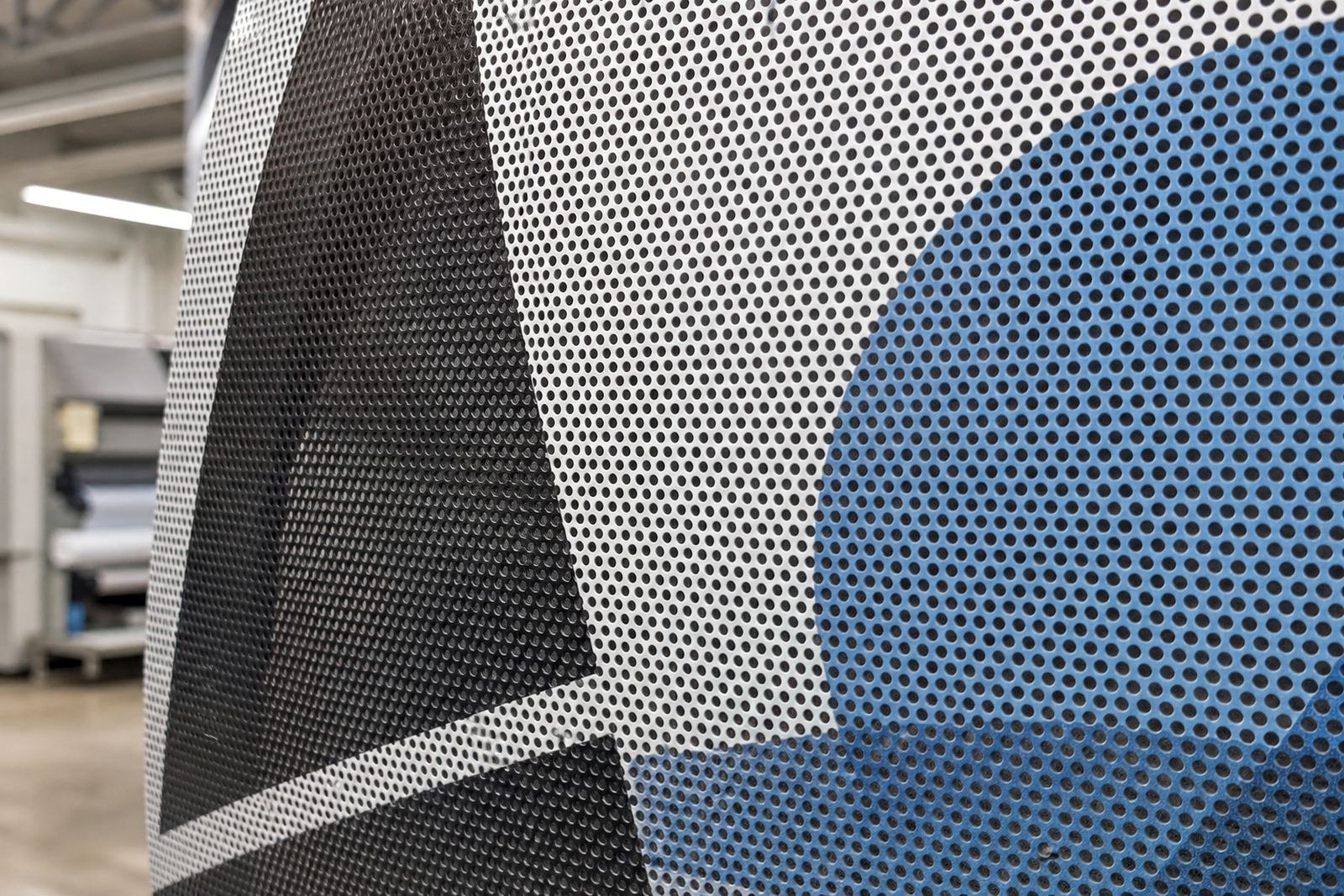
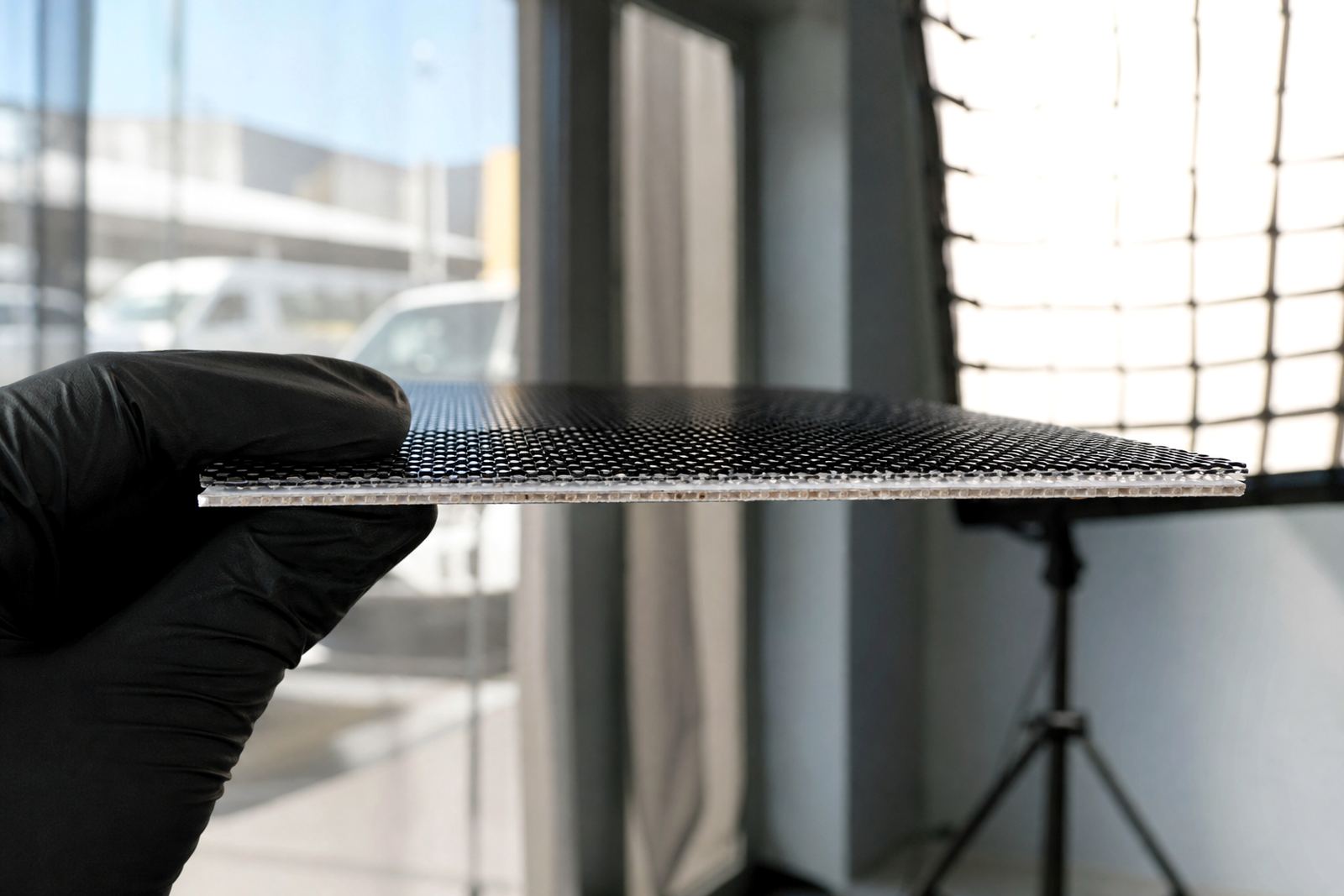
The perforation ratio affects how much of the printed face is visible and how much you can see through from the inside. Smaller holes with a tighter ratio usually give stronger image coverage, while a more open ratio improves internal visibility and can suit darker interiors or tinted windows. The best choice is not the same for every job, because a busy retail street in Johannesburg may need a bolder graphic than a shaded office glass panel in Bellville.
- More closed ratios: better print coverage for shopfront branding and clearer graphics from across the road.
- Mid-range ratios: a balanced option for office glass and service counters where both image and visibility matter.
- More open ratios: useful for vehicle windows and areas where the inside view needs to stay as clear as possible.
- Directional viewing: the effect changes with lighting, so bright exteriors and darker interiors usually improve the one way appearance.
Printing, colour proofing and lamination options
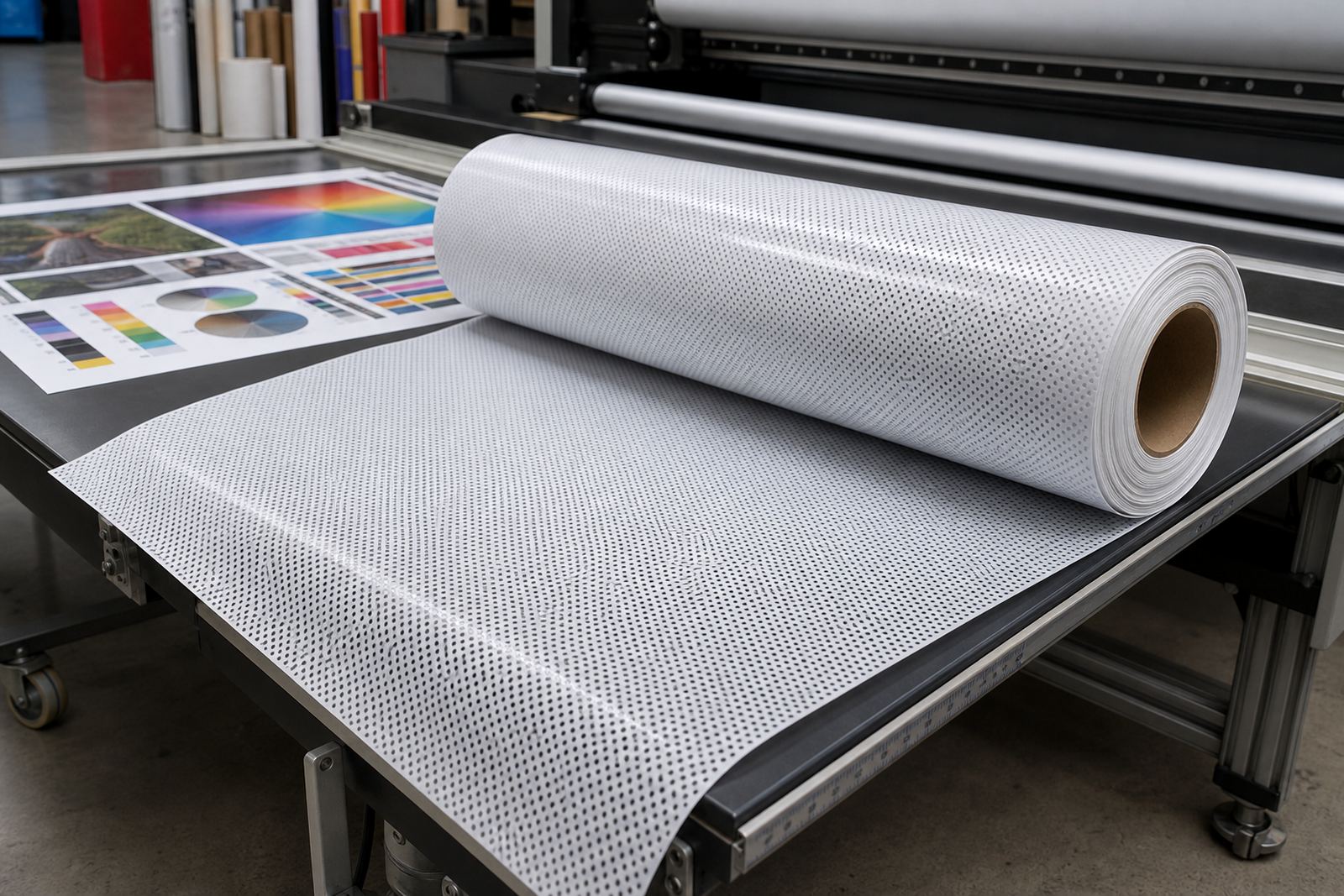
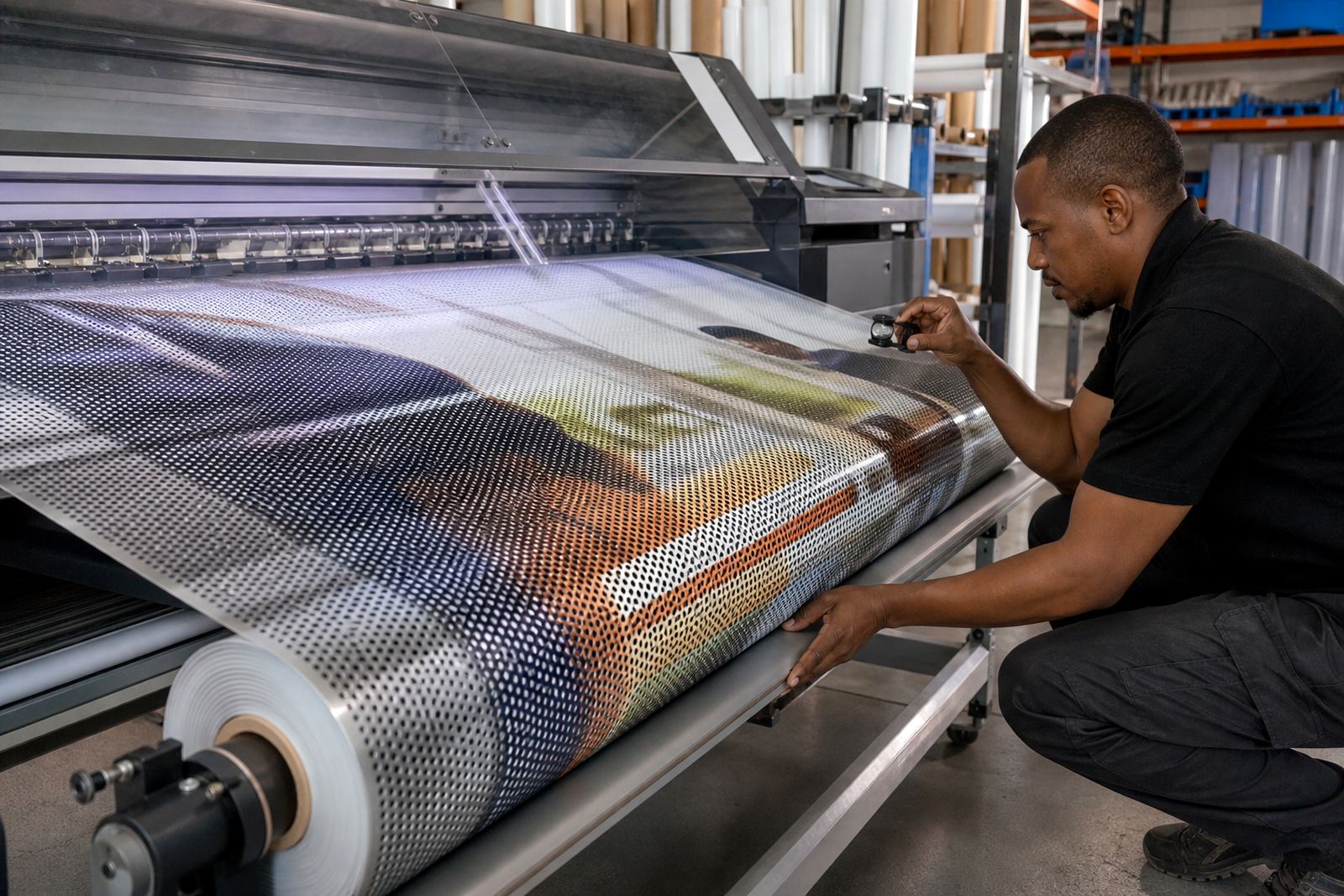
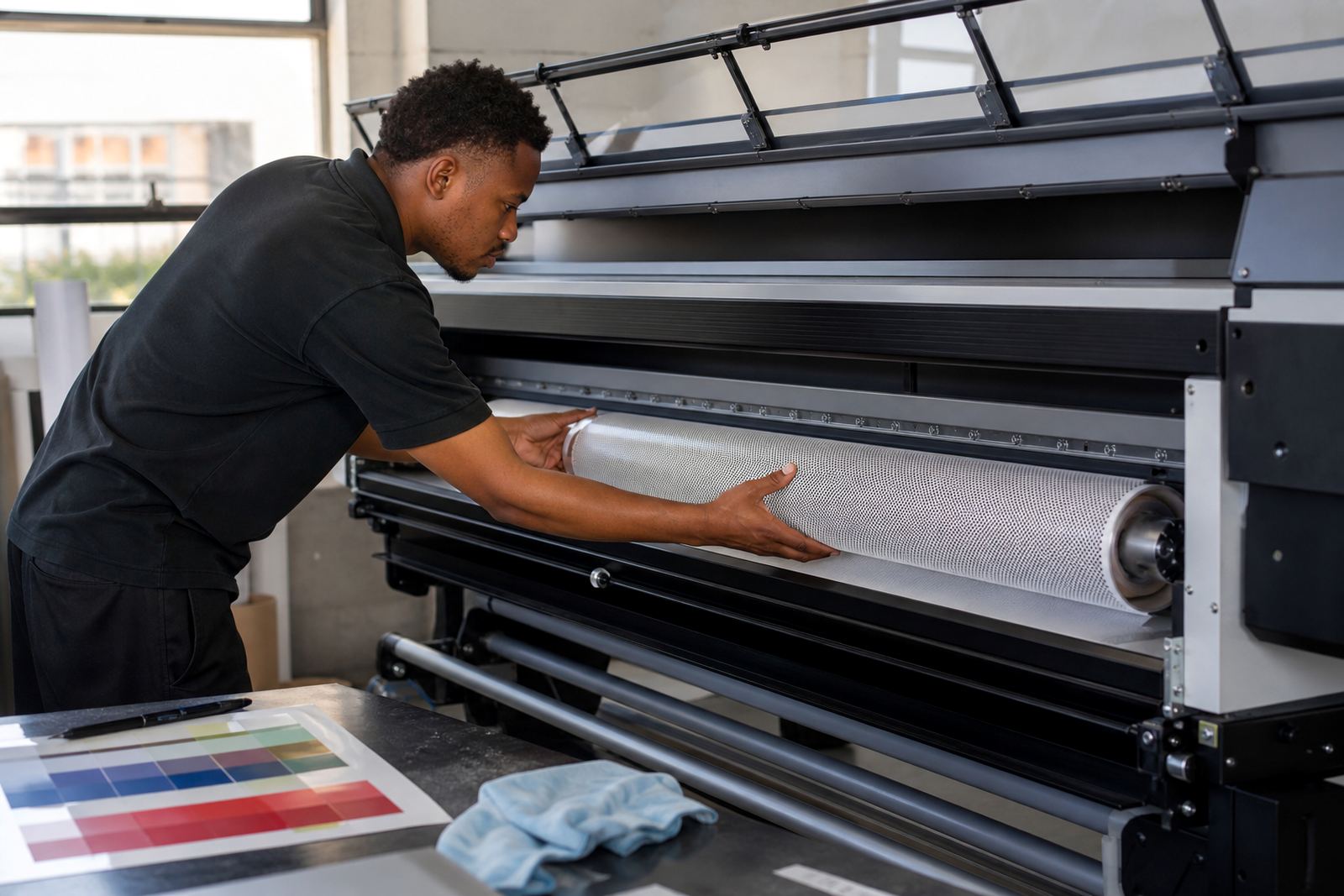
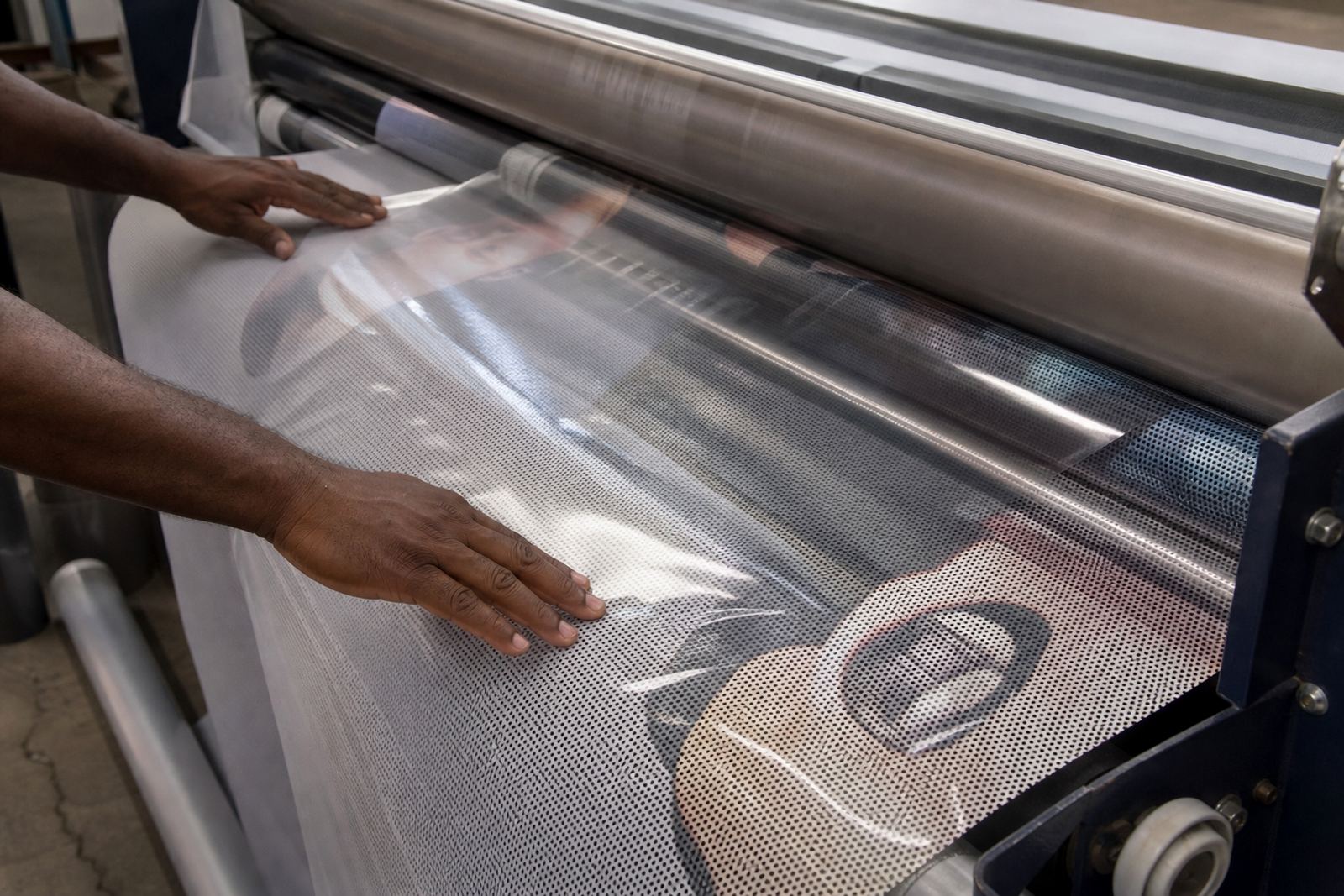
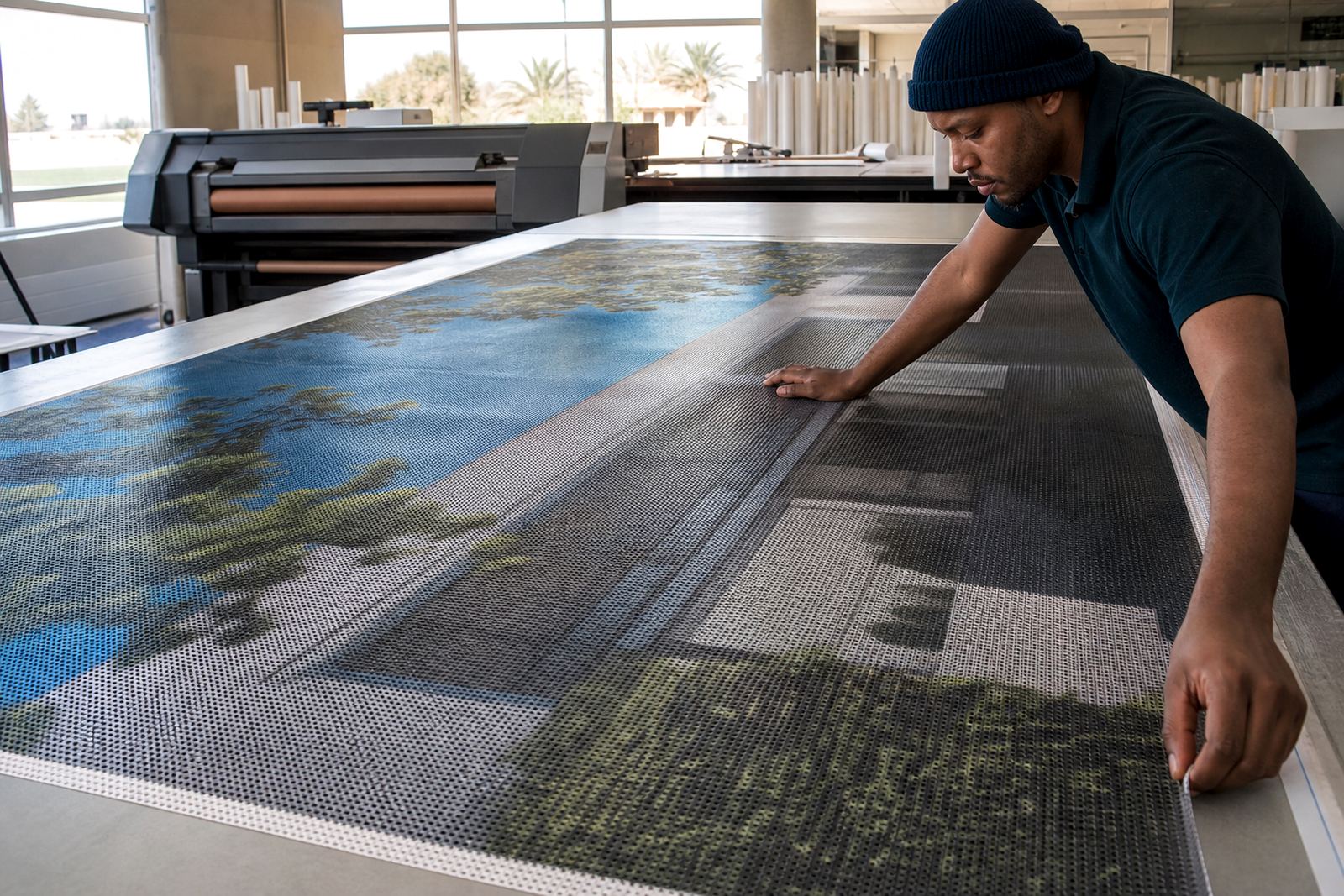
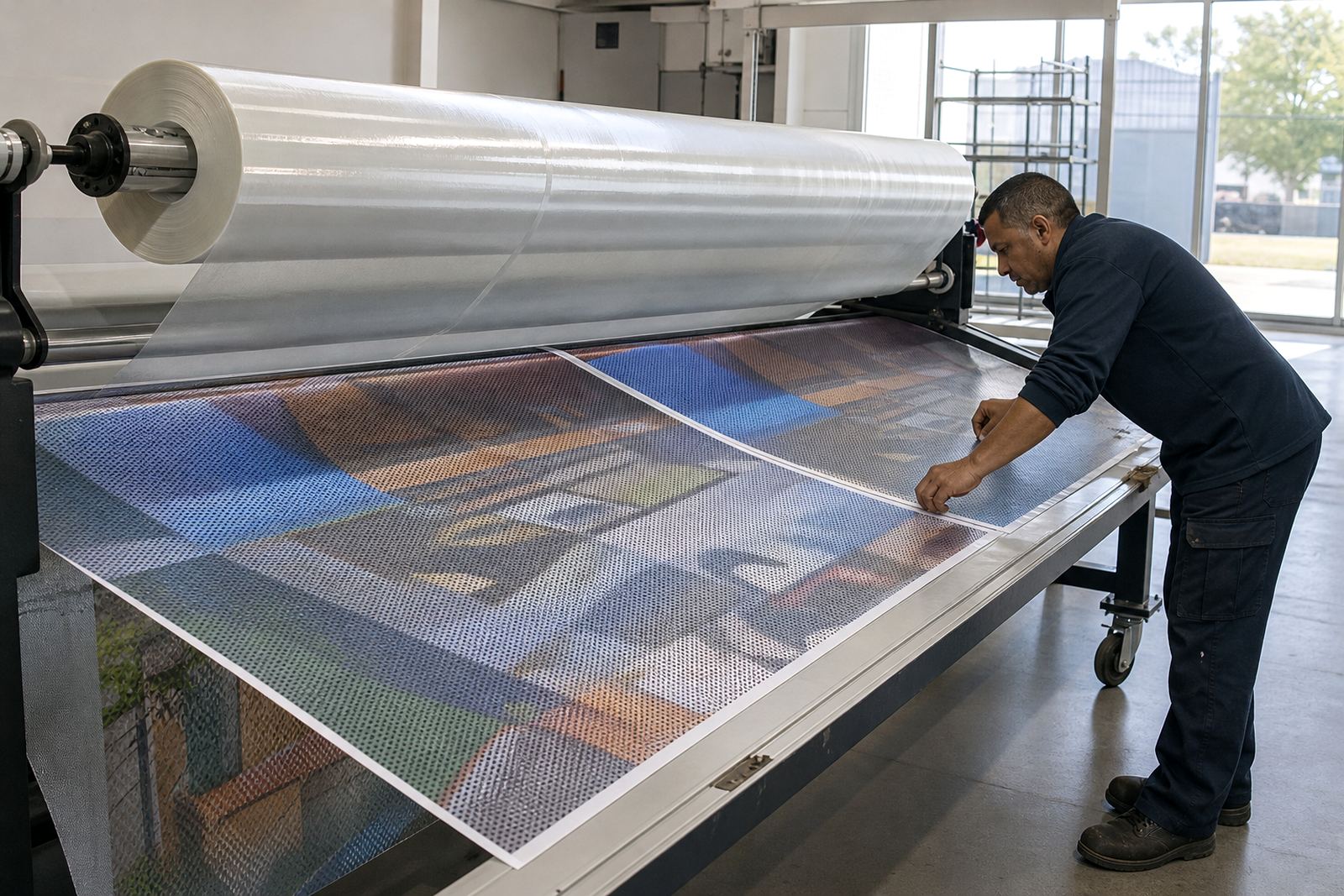
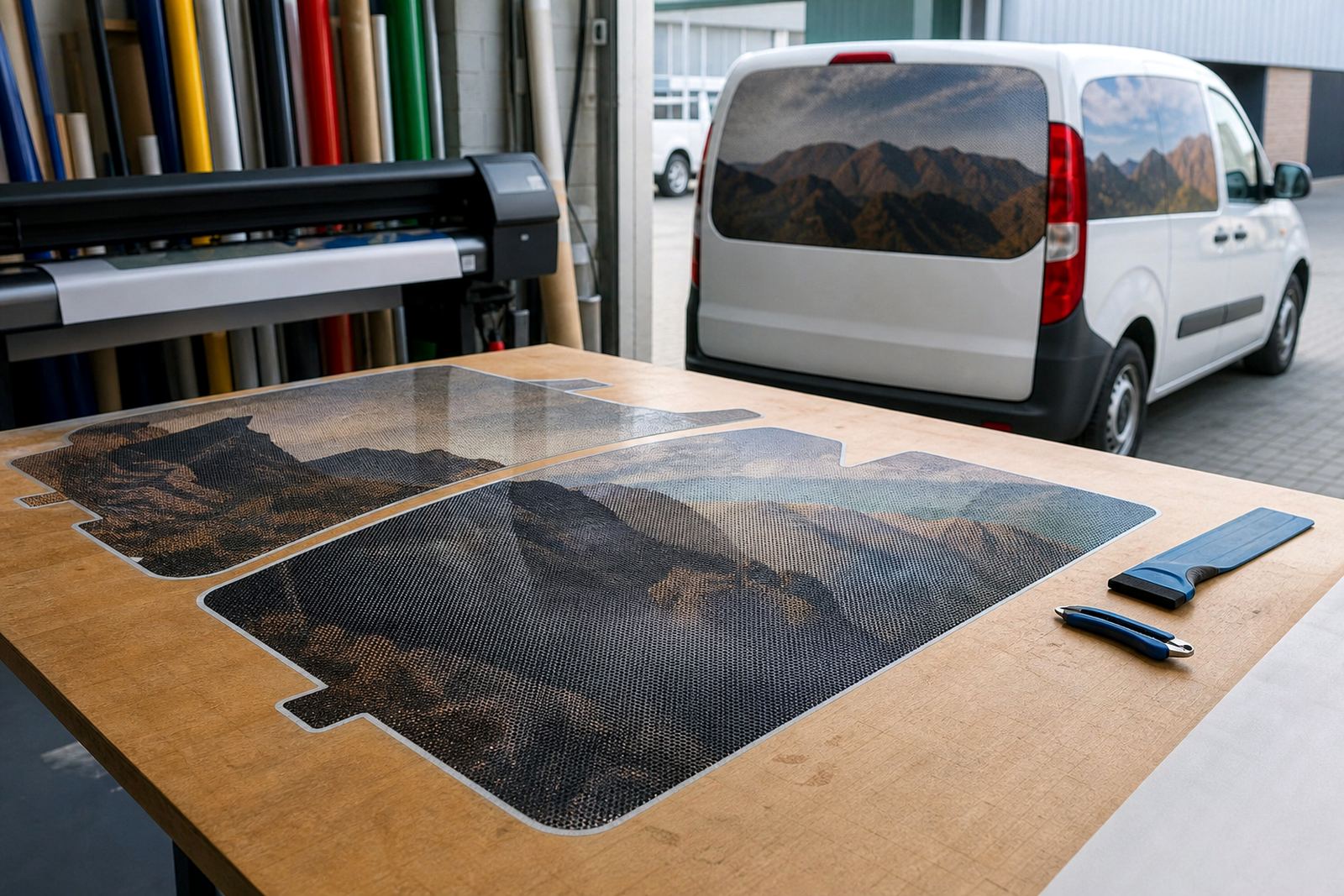
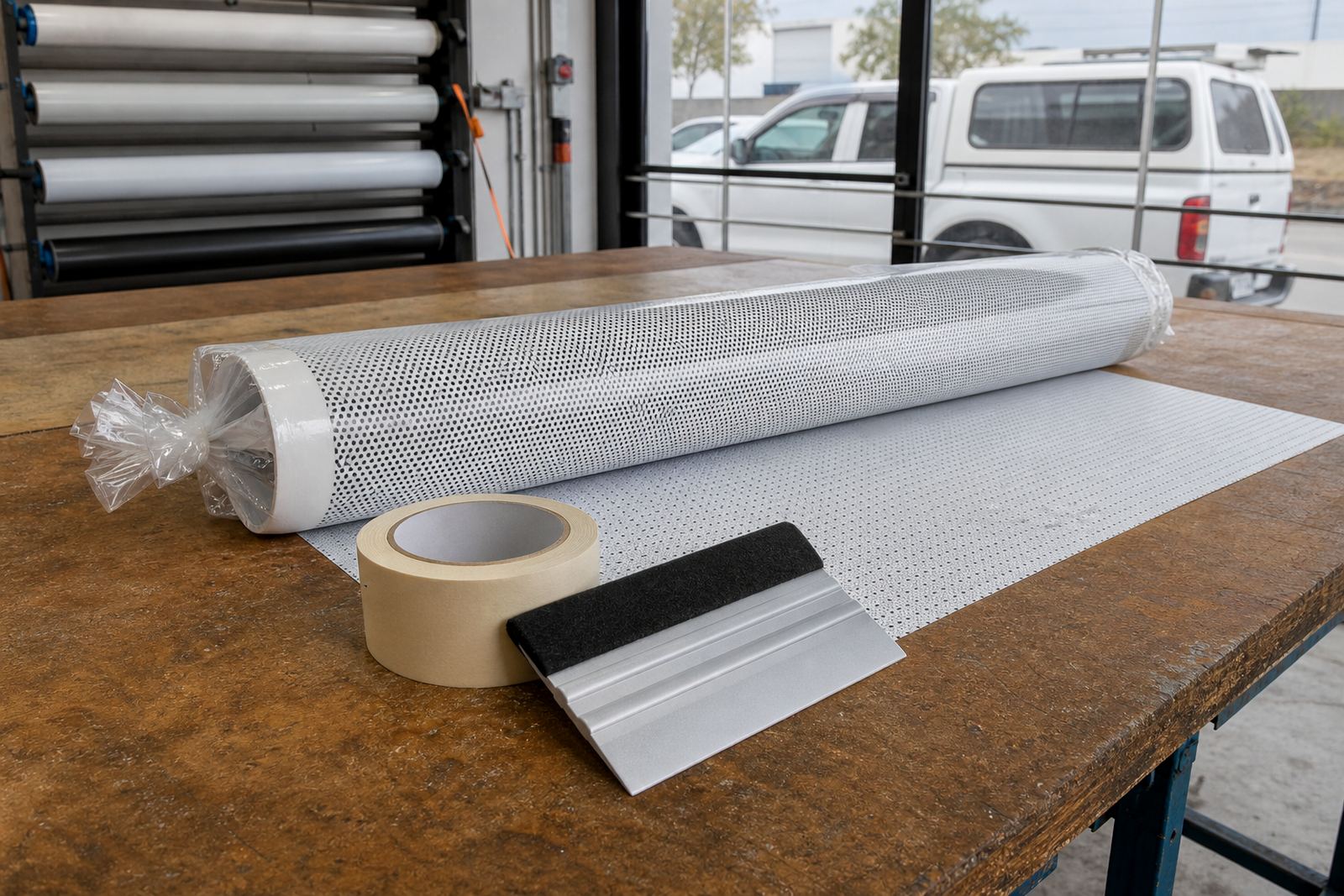
Perforated film is normally produced through wide format printing, then finished with the right lamination if the job needs extra protection. Lamination can help with UV exposure, scuff resistance and easier cleaning, especially for exposed shopfronts, parking areas and vehicles that see regular washing. If the film will face coastal humidity in places like Gqeberha or Durban, the material choice and edge finishing matter more than people often expect.
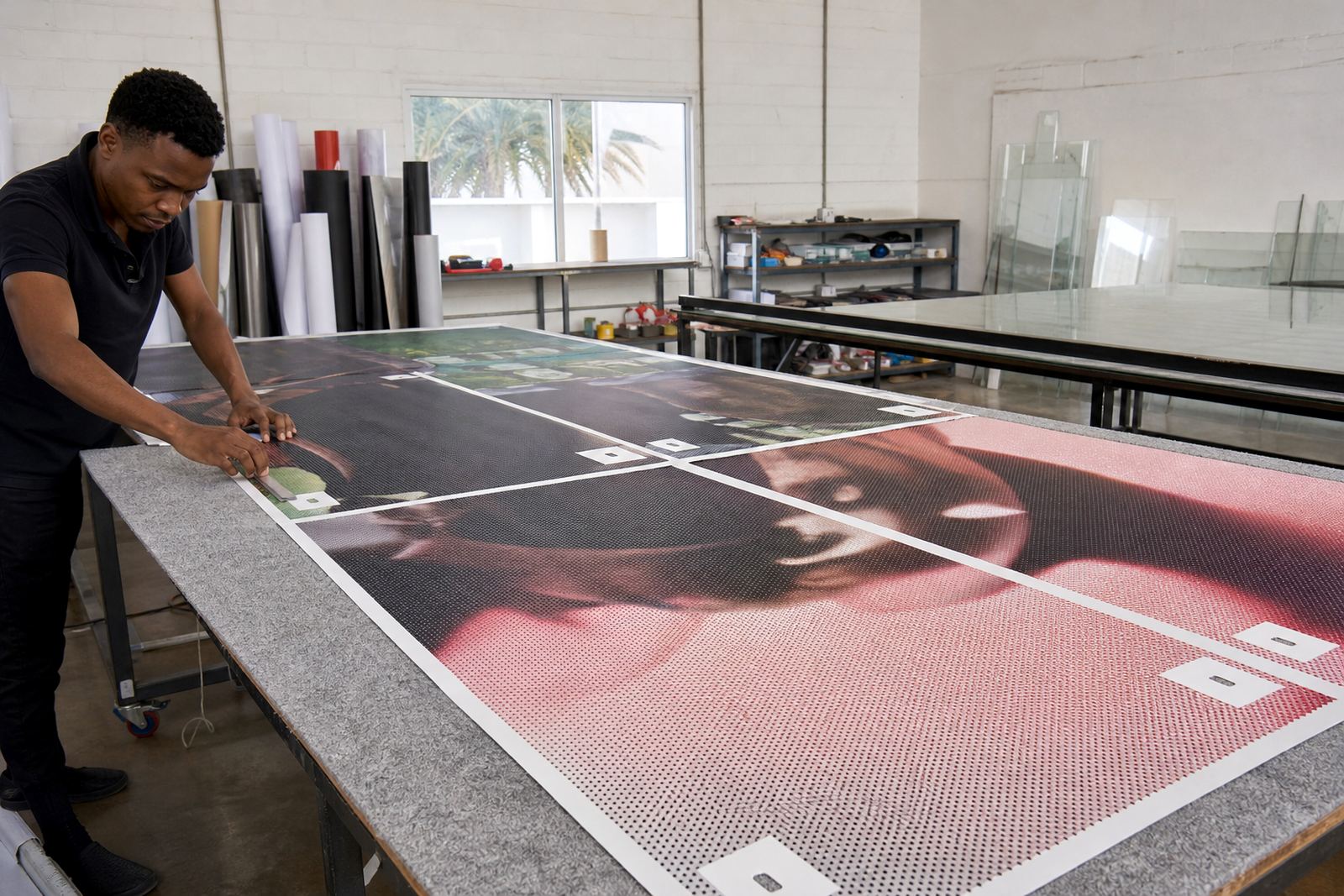
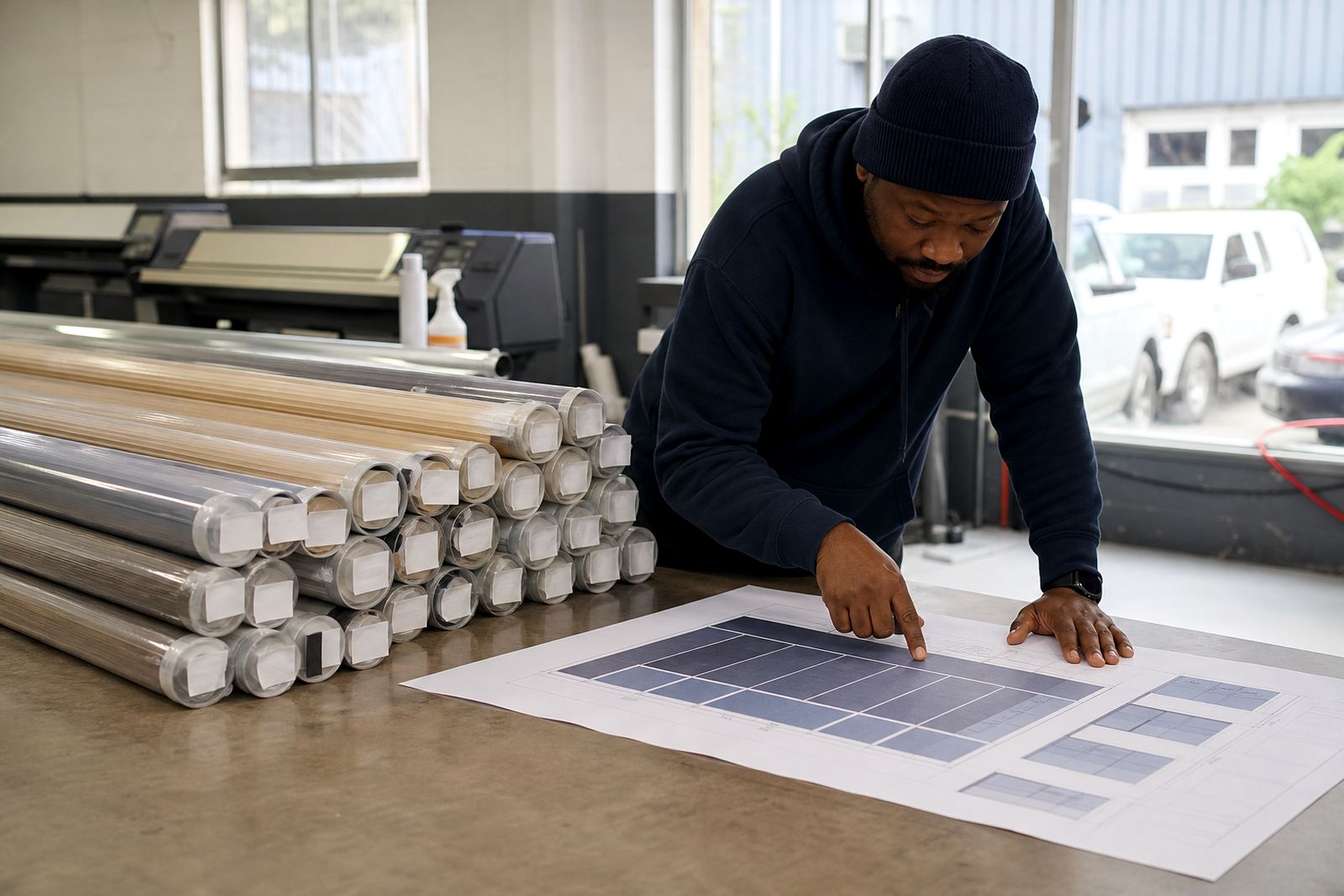
Before print, artwork is checked for panel joins, image scaling and safe viewing zones around the perforations. Strong colour contrast and bold type work better than fine detail, because small text can break up when viewed through the holes. We also allow for mounting margins, door seams and window rubbers so the finished piece sits properly once fitted.
- Print-ready setup: supplied artwork needs the correct size, bleed and resolution for outdoor viewing.
- Colour proofing: helps confirm how the artwork will read on the perforated surface before production.
- Lamination: adds protection where the film will be handled, cleaned or exposed to harsh weather.
Shopfront glass, office partitions and interior windows
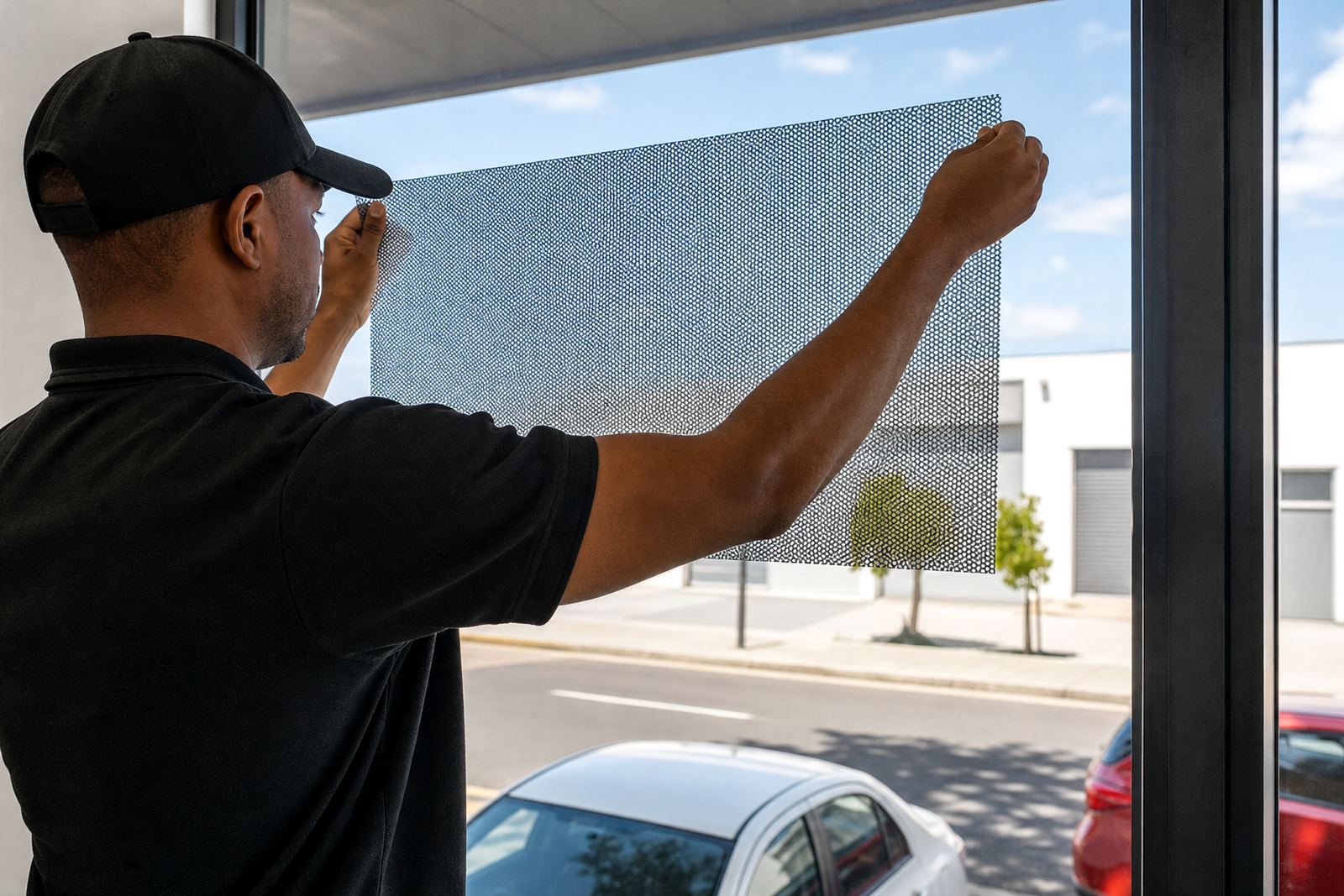
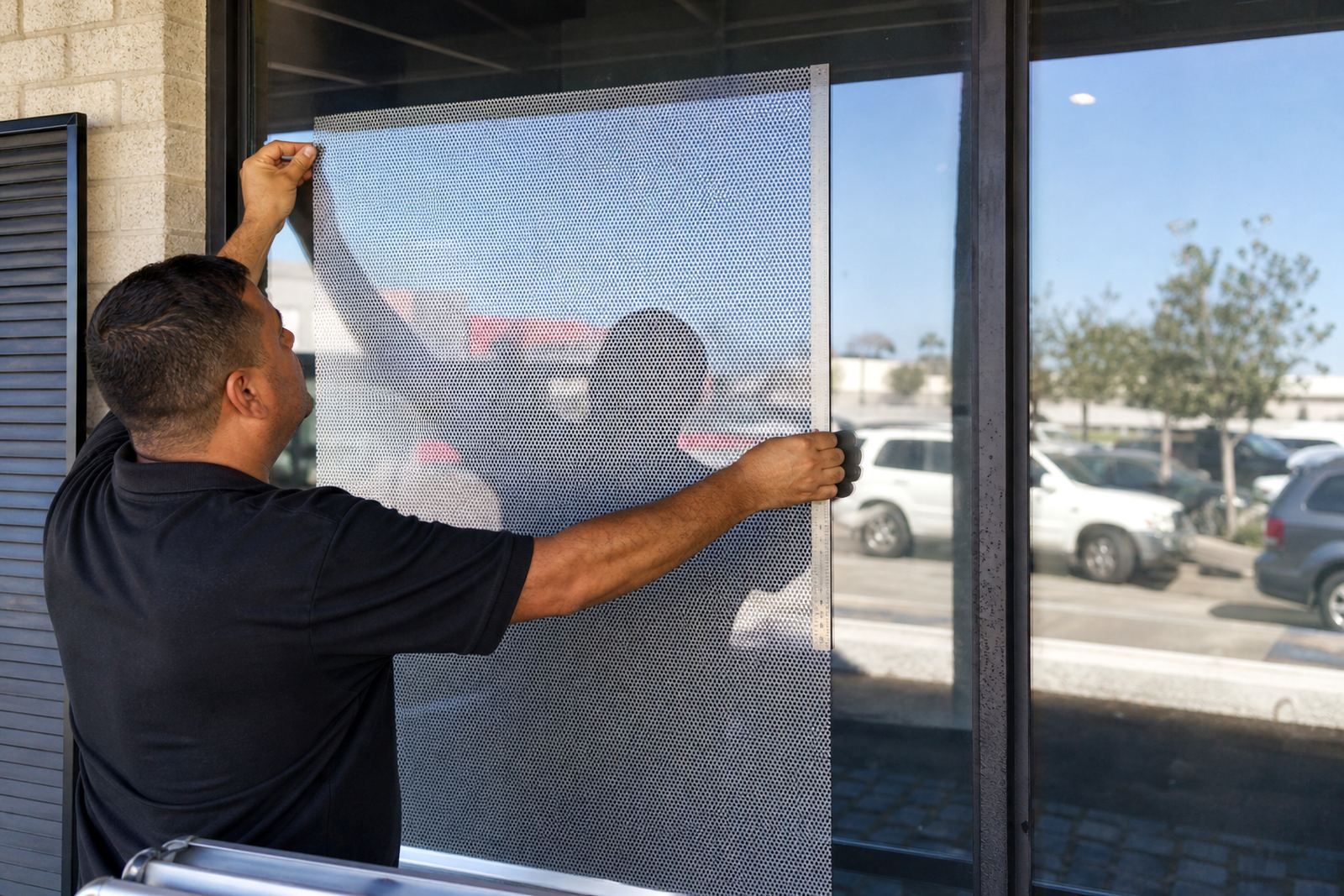
For shopfronts, one way vision film can turn clear glass into a branded surface without cutting off the inside view. It is often used on malls, street-facing stores and reception areas where signage space is limited and the glass must still bring in light. Office partitions and internal windows can also use the film for privacy, directional branding or seasonal promotions.
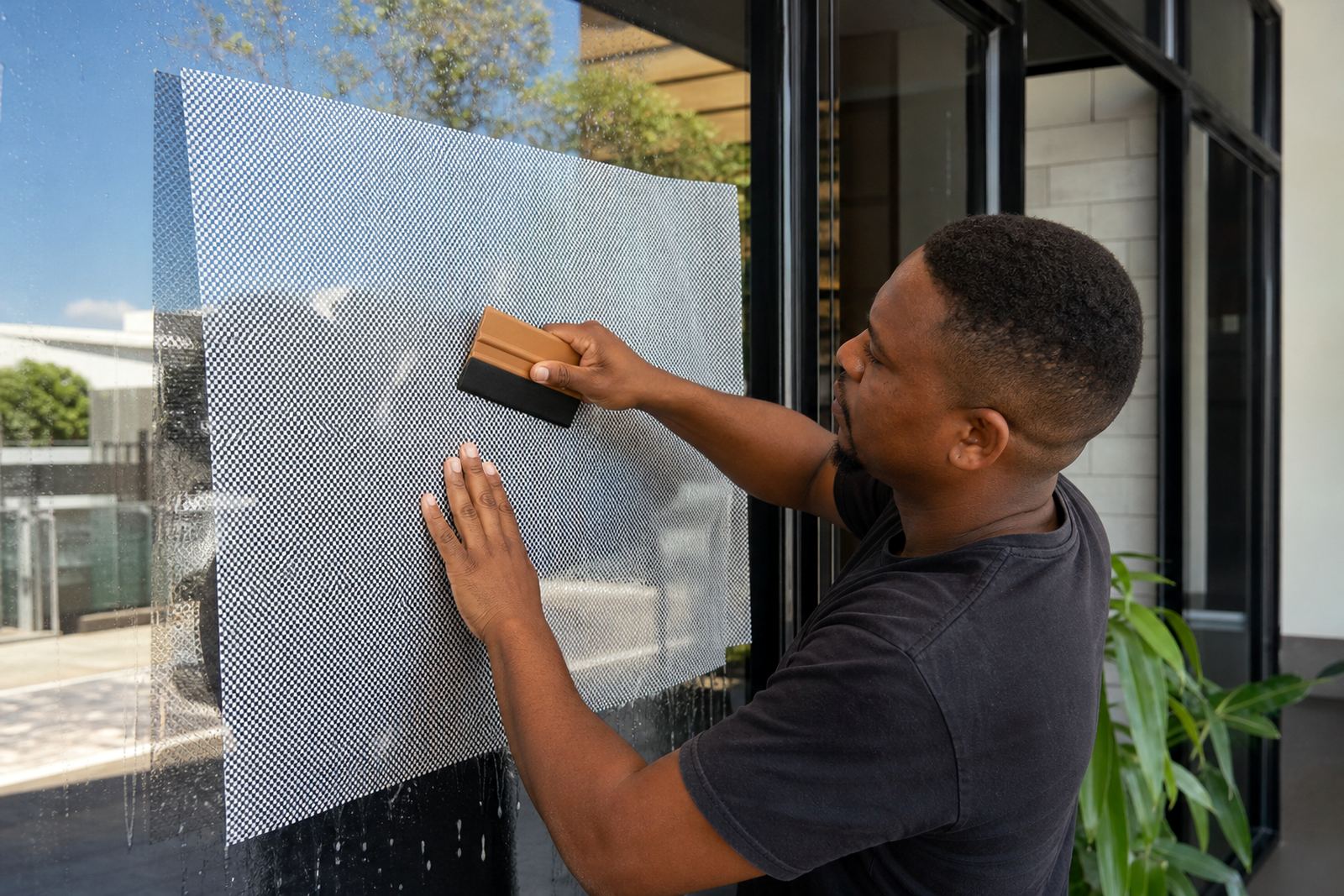
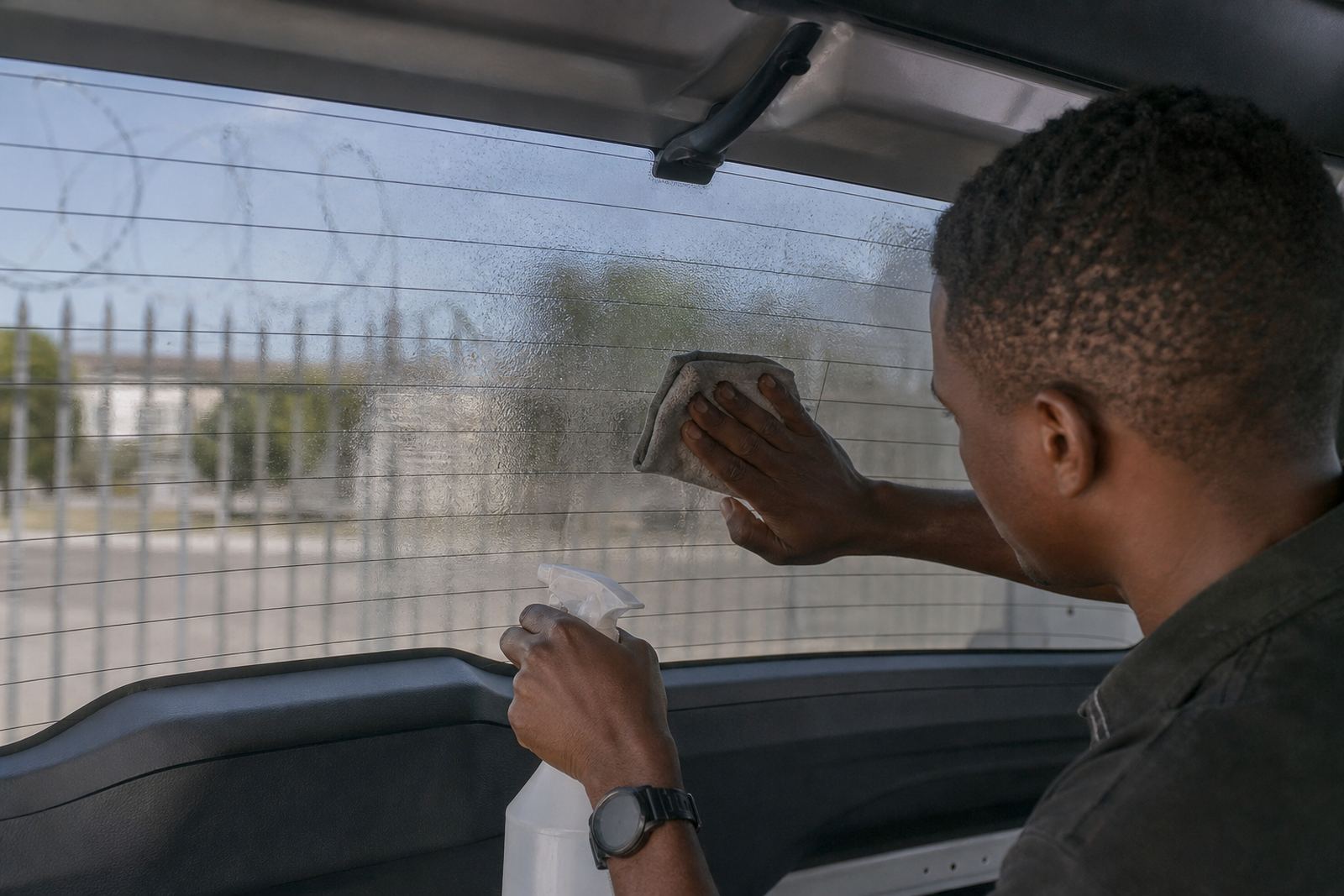
Glass preparation is important. The surface must be clean, free of dust and fully dry before application, and the installer needs to work around sealant, stickers and old residue. On older glass or surfaces that have seen years of sun, old film removal and proper prep can make the difference between a neat finish and peeling edges later on.
Vehicle windows and road-use considerations
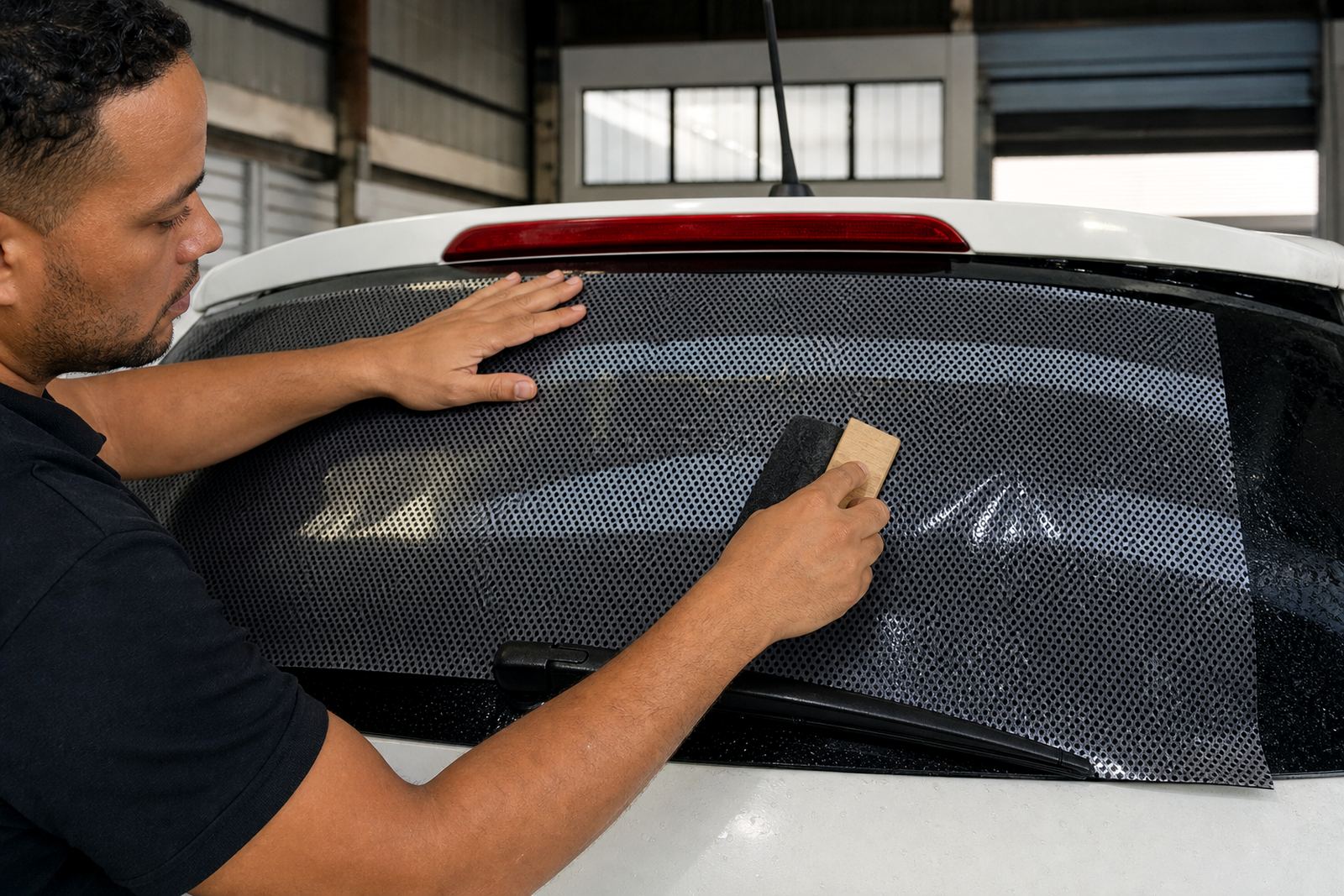
Vehicle applications need a slightly different approach because the glass moves, flexes and often carries legal visibility requirements. Rear side windows and rear glass are common places for perforated graphics, while the driver area must remain compliant with current road traffic rules. If the vehicle already has tint, defrosters or curved glass, the design should be tested carefully before fitting.
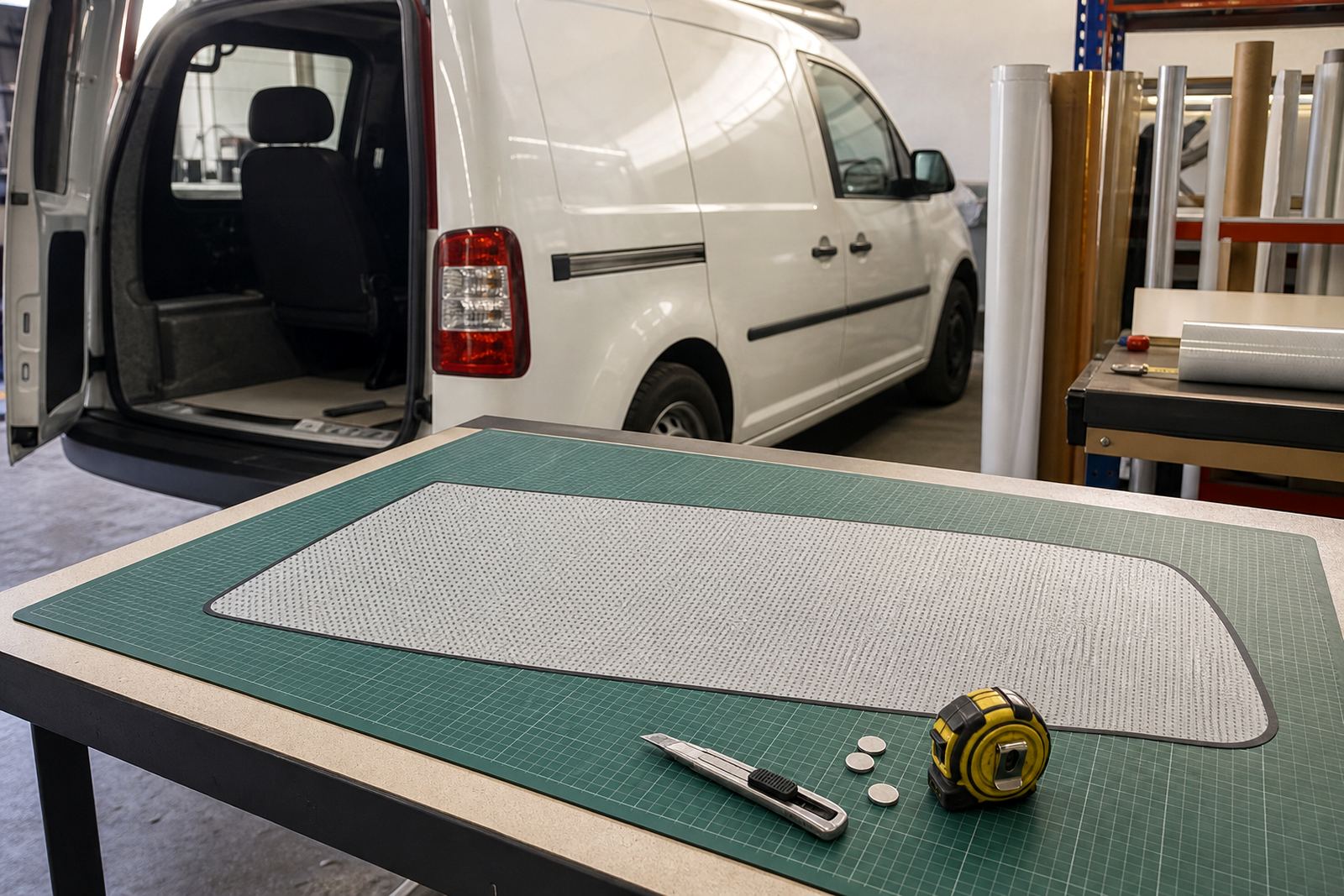
Our vehicle work includes templating, surface preparation and full installation, with attention to mirrors, seals and wipe zones.
- Check the current legal requirements before approving any window coverage for road use.
- Allow for rear window visibility, especially on vehicles used daily in traffic.
- Use proper templating so the print aligns with glass curves and window frames.
How we handle supply across South Africa
Based in Montague Gardens, Cape Town, we supply perforated one way vision film to customers across South Africa, including Cape Town, Johannesburg, Durban, Pretoria and Gqeberha. Jobs can be measured on site, produced in print, then dispatched nationwide or fitted locally depending on the installation. For repeat rollouts, refit and refresh work can also be planned so old film is removed before the new graphics go up.
The team includes Marius Ntsele, Ayanda Mbele, Liam Maseko, Noluthando Liebenberg, Ridwaan Hlongwane and Chantel Fortuin, with each part of the process handled in order from artwork setup through to installation. Clients usually reach us through the enquiry form on our contact page, which keeps the process tidy and gives us the details needed to quote the correct film type and fitting method.