
Perforated film built for rear side windows
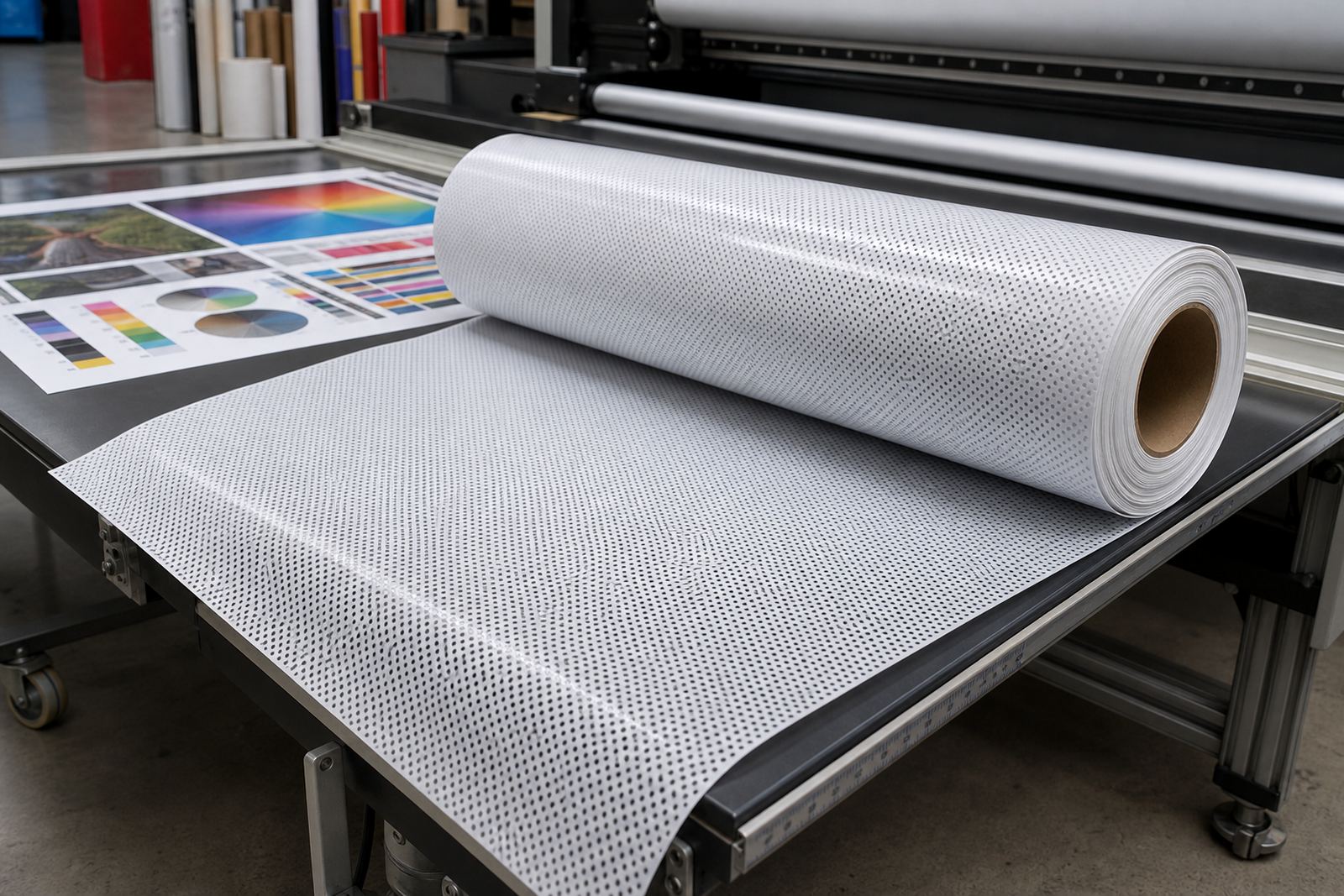
Rear Side Film is made from perforated vinyl with a pattern of tiny holes that allows vision from the inside while carrying print on the outside face. The front face is printed, then the film is usually laminated to protect the ink from scuffs, sunlight and washing. Typical perforation ratios are selected to balance visibility and graphic coverage, often in the 30/70 to 40/60 range depending on how much privacy or image density is needed.
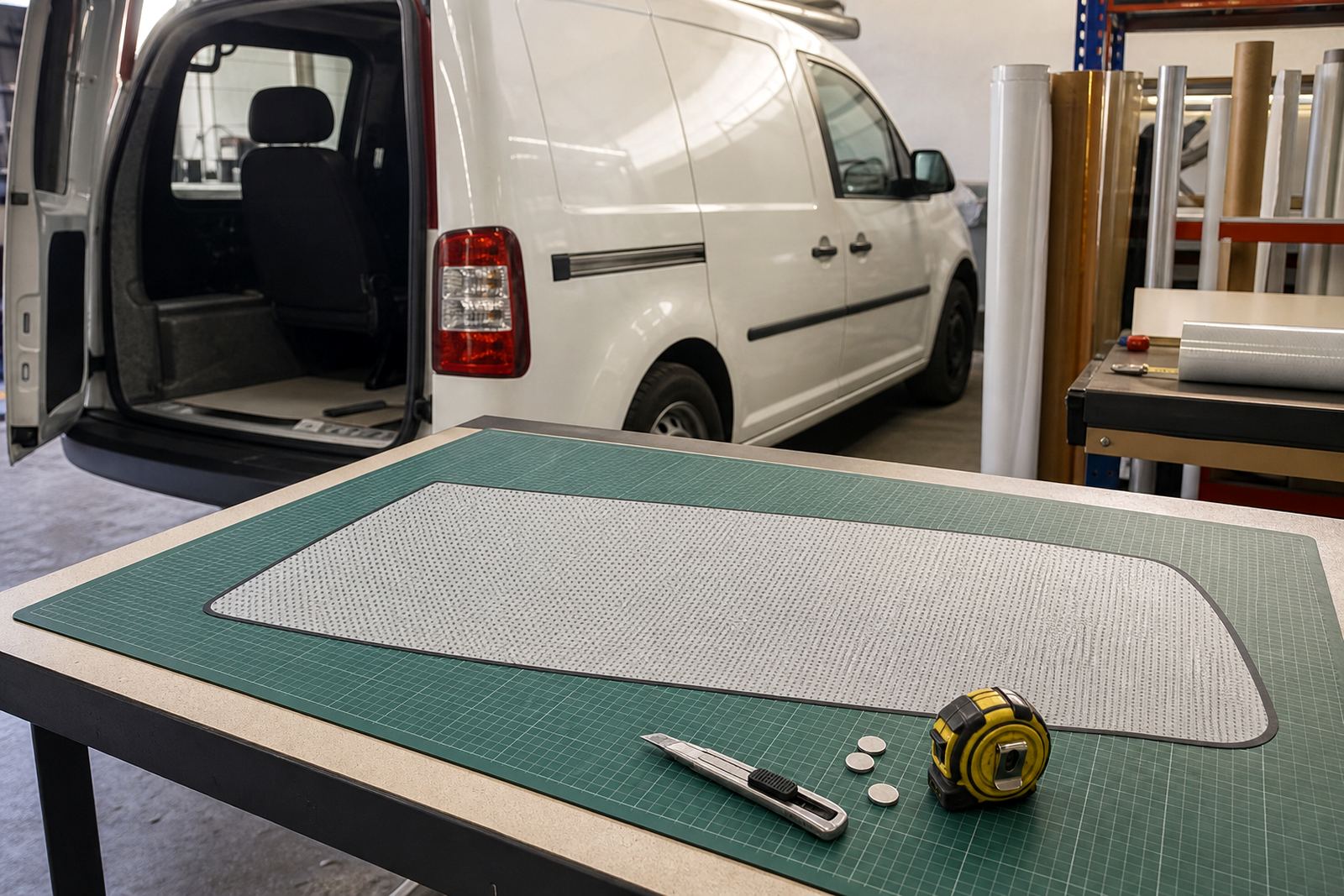
On passenger vehicles, the film is cut to suit the rear side windows, including the contour of the glass and the edge lines near the rubber seals. On vans and bakkies it is also used for cargo area windows where branding space matters and inside sightlines must stay practical. The result is a neat branded panel that works on the road and in traffic, even in bright Cape Town sun or wet Durban weather.
Sizes, cut lines and finish options
Rear Side Film can be supplied as full window coverage, matched left and right panels, or a partial graphic with a clear border where the vehicle body or seals demand it. The exact cut depends on the vehicle type, the window shape and whether the glass is fixed or opens. For fleets, the same layout can be repeated across multiple units so the branding stays consistent from Cape Town to Johannesburg.
Finish choices are guided by the job. A darker print can suit privacy-led designs, while lighter areas help keep more view through the glass. Gloss lamination gives strong colour depth, while a matte finish can help reduce glare on sunny routes and improve readability when a vehicle sits outside a shopfront or loading bay.
- Full window coverage or partial coverage
- Left and right side panels can be matched
- Printed colour, white ink support or solid dark areas, depending on artwork needs
- Gloss or matte lamination available for the stated application
Where rear side film works best
This product suits service vehicles, delivery fleets, sales cars, school transport, hospitality shuttles and trade vehicles that spend time in public view. It is also useful for retailers who use branded vehicles for local runs in Bellville, Milnerton, Pretoria or Gqeberha. In places with strong coastal humidity or dusty inland roads, the protective lamination helps keep the film looking better for longer, with less surface staining.
Rear side film is a good choice when you want branding without covering every panel on the vehicle. It gives enough area for logos, contact details, service messages or campaign artwork, while keeping the rear seat area usable. If a vehicle must still pass inspection or be used for regular driving, the layout should be planned with the windows and sightlines in mind.
Installation, Site And Access Needs
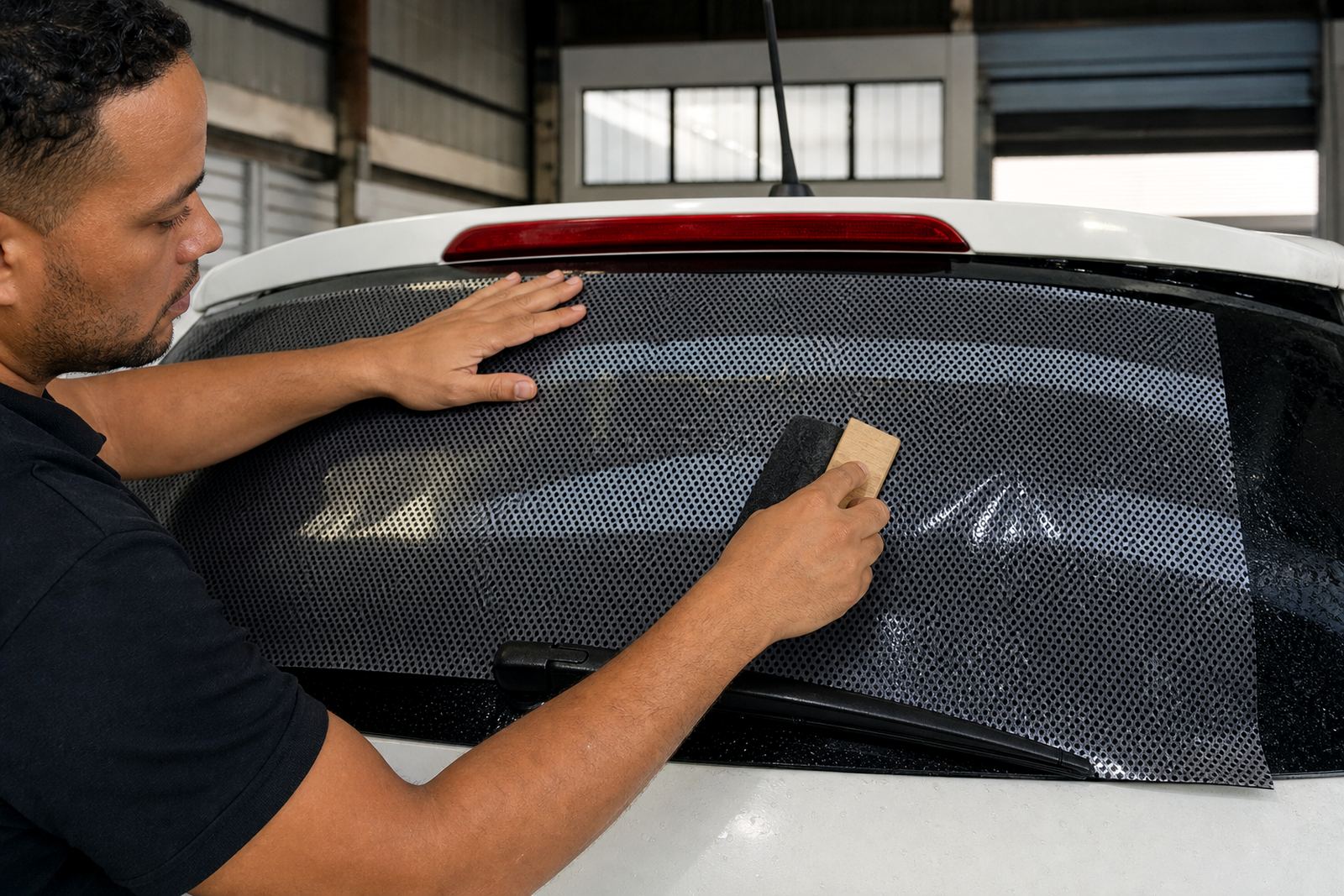
Installation is done on clean glass, usually after surface preparation and careful measuring. The glass must be free of dust, road film and silicone residue, and the edges need to be checked around rubber seals and trim before fitting starts. Where a window is curved or has a defroster line, the film is templated so it settles properly without lifting or bunching. Small bubbles can happen during fitment and are worked out during installation, but a poor prep job will show later.
The film itself does not need unusual site services. For on-site fitment, installers usually need a safe working space, some shade where possible and access to the vehicle doors or glass. For shopfront work, clear access to the window area and a clean floor make a big difference.
Care, cleaning and re-fit servicing
Once fitted, rear side film should be cleaned with a soft cloth or sponge and mild soapy water. Avoid harsh solvents, abrasive pads or high-pressure spray at the edges, because that can loosen the film over time. On vehicles that work hard every day, it helps to check the window edges after washing and after long trips on tar or gravel roads.
If the film is scratched, lifting at a corner, or starting to fade after heavy sun exposure, it can often be removed and replaced without needing to change the full vehicle branding. Refit and refresh work is useful when a company updates contact details, changes a campaign, or replaces a damaged panel after a minor knock. A tidy removal also matters on lease returns and fleet renewals.
What to check when ordering rear side film
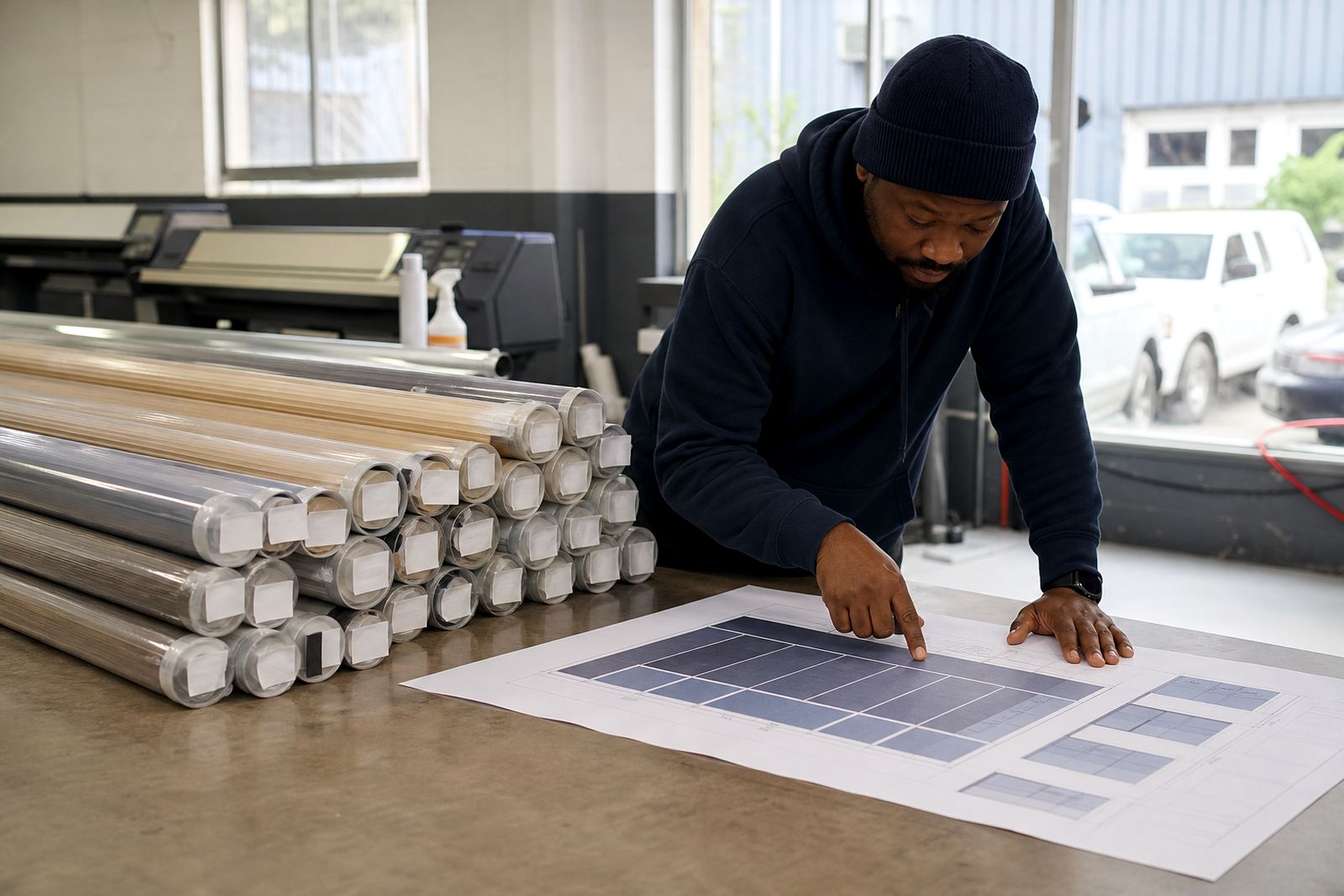
Before placing an order, confirm the vehicle make and model, the exact rear side window shape, and whether the film is for a single vehicle or a fleet run. Send clear artwork if you have it, or ask for artwork setup and colour proofing so the print sits properly on the glass size. If the vehicle carries passengers or is driven daily, check that the final layout still keeps the driver view legal and practical. Current road traffic rules should always be checked before installation, because the legal requirements can change.
It also helps to note whether the glass is tinted already, whether there are heating lines, and whether the window opens or stays fixed. For larger rollouts across Cape Town, Durban, Pretoria, Johannesburg or Gqeberha, site measuring and vehicle templating help keep the fit consistent across different body styles. That avoids rework and keeps the finish neat from the first unit to the last.
Key facts
| Product type | Perforated rear side vehicle window film |
|---|---|
| Print method | Wide format printed on the outside face |
| Visibility | Inside view through perforations, subject to fit and film ratio |
| Finish | Gloss or matte lamination |
| Typical use | Rear side windows on cars, vans, bakkies and shuttle vehicles |
| Service coverage | Montague Gardens, Cape Town and nationwide supply |