What a multi pane set is and why it matters
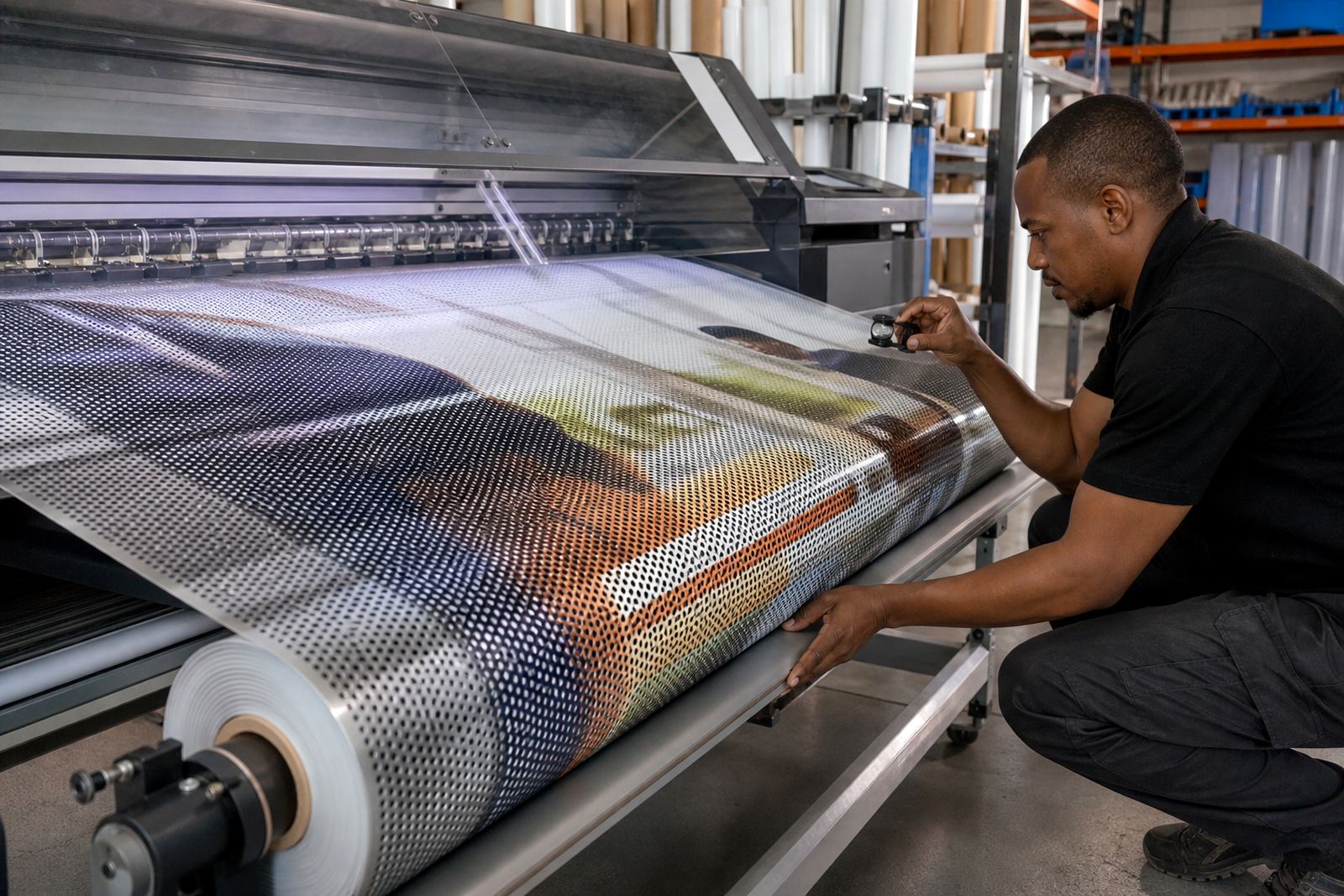
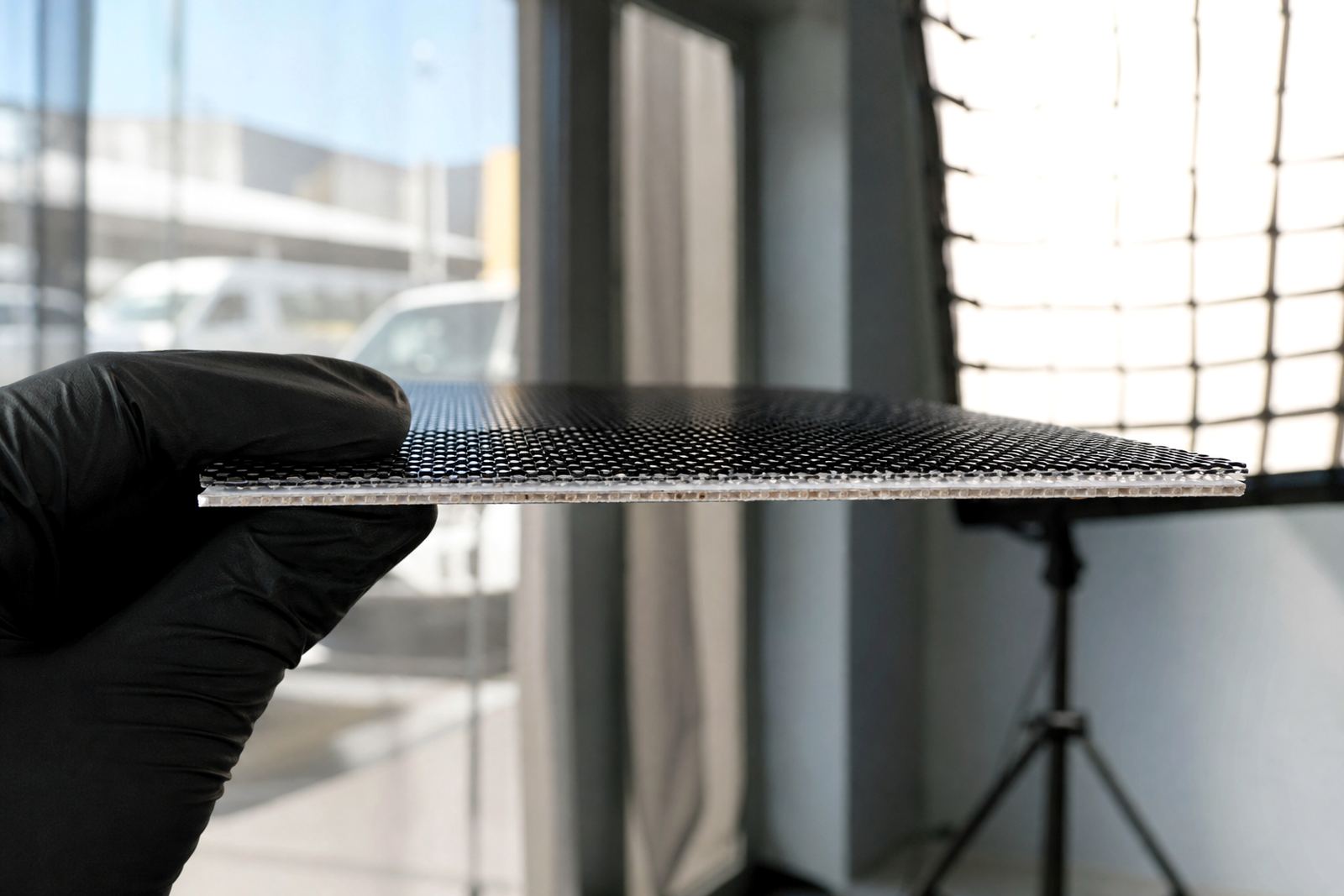
A multi pane set is a grouped set of perforated one way vision panels cut to suit adjacent glass or vehicle windows. The film is printed so the artwork reads as one image from the outside, while the perforations allow visibility from the inside. On larger runs, exact panel matching matters because even a small shift can throw off text, faces or borders across the joins.
These sets are commonly used on retail fronts, office glazing, busier service counters and vehicle side windows where a continuous look is needed. The usual print approach uses high coverage graphics on the outer face, with black backing or controlled ink laydown on the reverse to support inside visibility. Common perforation ratios are 60/40, 70/30 and 80/20, with the choice depending on how much outward image density you need versus how much light and outward view must remain inside.
Sizes, panel counts and print options
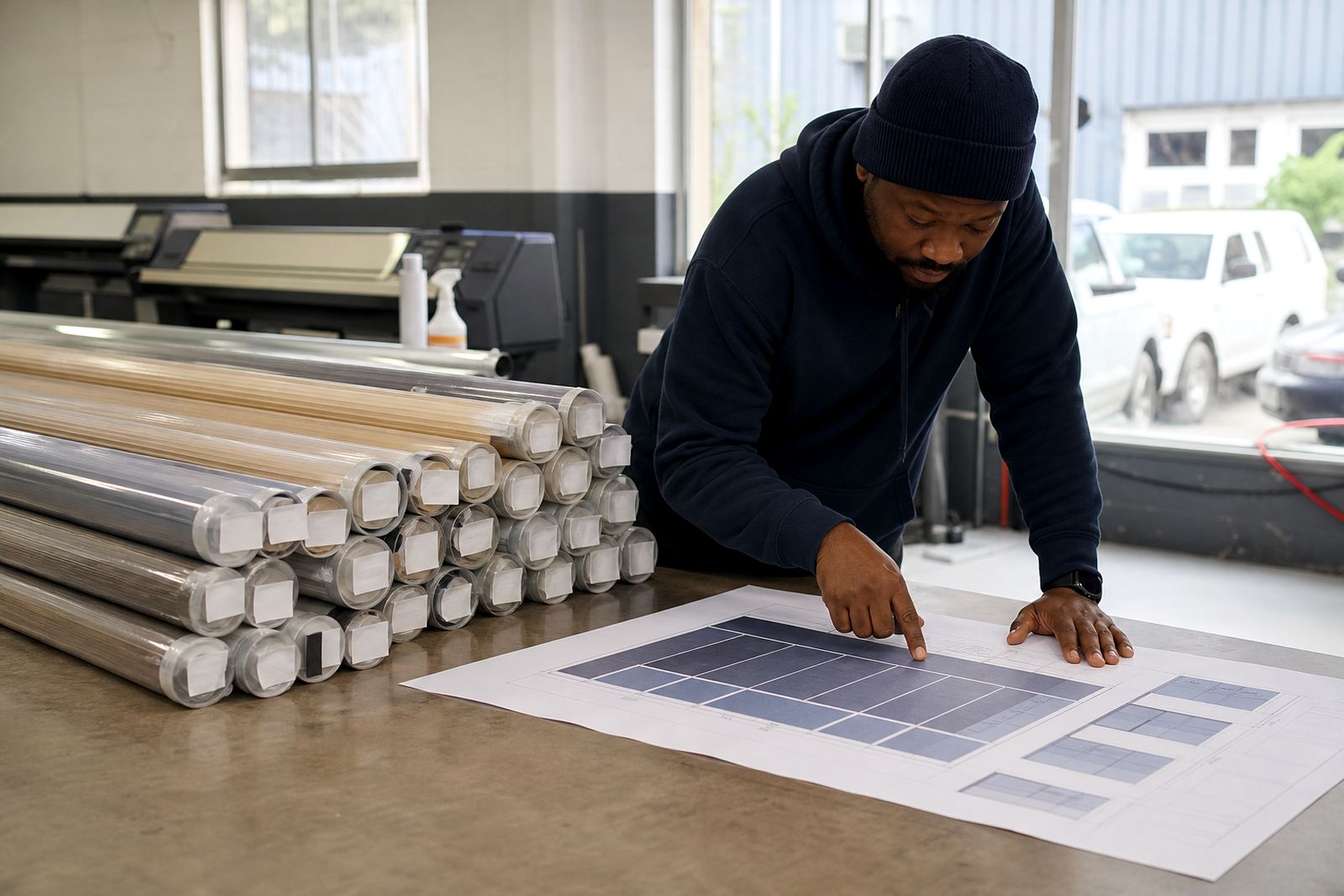
Each set is made to the actual pane sizes, not a one size rollout. Panels can be supplied as two piece, three piece or larger runs depending on the glazing layout. Width and height are usually measured in millimetres, with trim allowance added for edge finishing and window bead conditions. For vehicles, the panel layout must follow the window shape and any heating lines, curves or sliding sections.
- Panel widths cut to suit each pane or window section
- Perforation ratios selected for privacy or clearer outward viewing
- Optional lamination for added print protection on exposed glass
- Colour proofing to check tone, contrast and logo legibility before print
- Wide format printing for repeating graphics, text and full coverage images
Where the artwork crosses several panes, the file setup needs accurate joins, safe margins and a proper bleed. That keeps key elements such as lettering or product images from sitting over mullions, rubber seals or window frames.
Where multi pane sets work best
Multi pane sets suit glazed areas that form one visual field but are physically split. In shopfronts, this includes long street facing windows in centres, forecourts, service counters and corner units. In vehicles, it is useful for side windows on panel vans, SUVs and shuttle vehicles where branding must be visible from outside while keeping the cab or passenger area usable.
These sets also work well in coastal areas such as Durban and Gqeberha where moisture, salt air and regular cleaning can affect lower grade film. For Cape Town, Johannesburg and Pretoria, they are often chosen where shade, glare and privacy need to be balanced with daily use. If the site gets strong sun, we usually suggest checking the glass condition first because older seals, scratches or lifting tint can affect adhesion.
- Retail frontages with several panes in one run
- Office partitions and reception glazing
- Fleet vehicles and branded passenger windows
- Loading bays, service entrances and waiting areas
Installation, Site And Access Needs
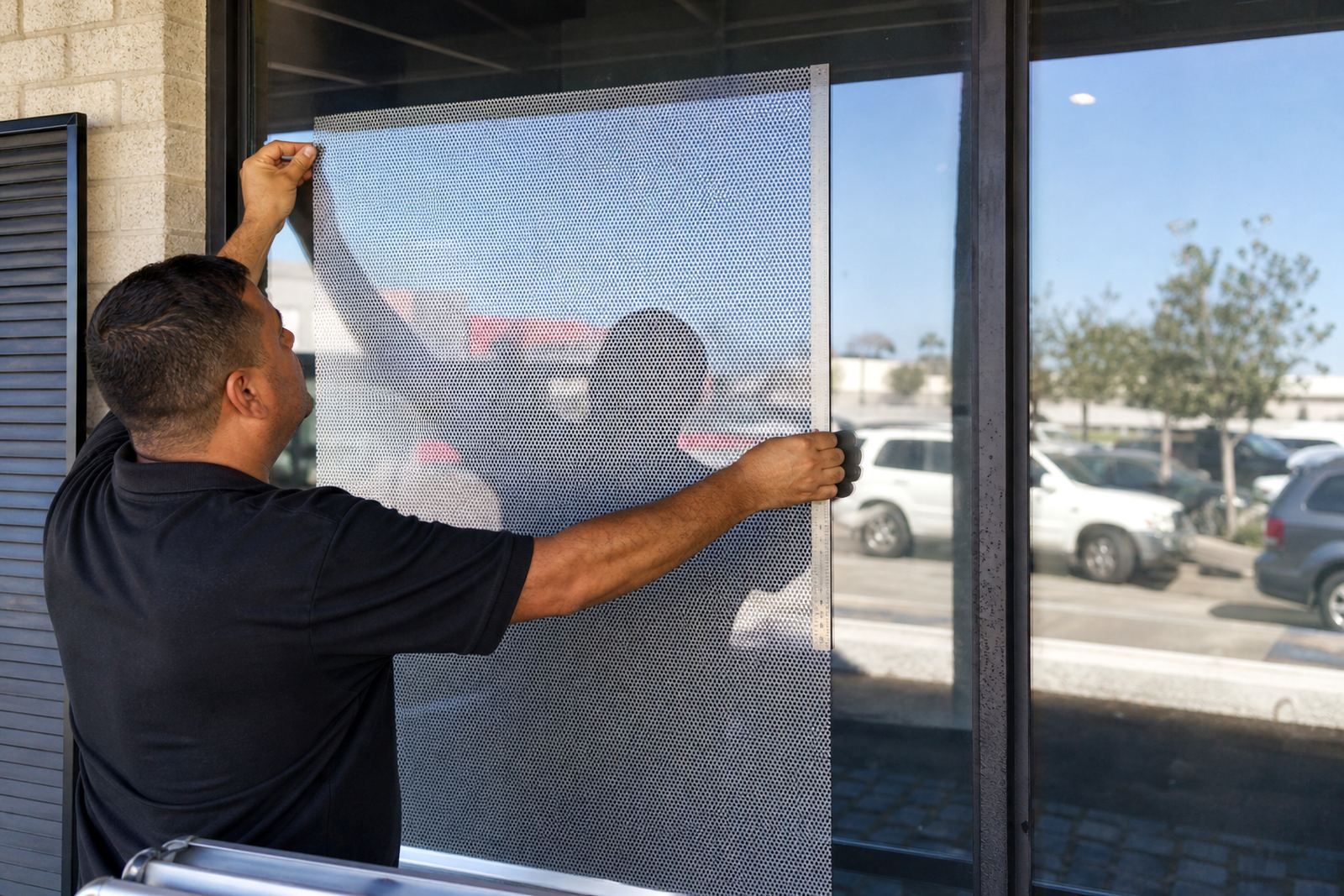
Installation is done on clean, dry glass with the surface fully prepared before fitting. The glass must be free of dust, silicone, polishing residue and loose tint. For exterior glazing, access equipment may be needed if the panels are high or if the site has awnings, security grilles or limited pavement space. On vehicles, a dust free work area and enough room to open doors or tailgates makes the job easier and neater.
The film itself does not need special supply. However a normal site may need support for print production, lighting or access tools during installation. If the job includes old film removal, there may also be extra time for heat softening, adhesive clean up and final surface prep. On some municipal sites, especially busy CBD areas, access and working hours can affect when the team can fit the set.
- Glass must be measured accurately before print
- Panels should be dry fitted or aligned with registration marks
- Vehicle windows must be checked for legal visibility requirements
- Driver view must stay legal and current road traffic rules should be checked
Care, cleaning and servicing over time
Once fitted, multi pane sets need gentle cleaning with a soft cloth, clean water and a mild non abrasive cleaner. Avoid scouring pads, razor scraping on printed faces and strong solvents that can mark the print or lift edge seal. If the film is installed on exterior glass, regular cleaning helps reduce grime build up, especially in coastal humidity or on busy roadside sites.
For long term use, check the edges every few months for lifting, corner curl or impact damage. On vehicles, watch for wear around sliding windows, door seals and the top edge where repeated opening can stress the film. If a section becomes damaged, it is often better to replace the affected pane or panel rather than patch it badly, because alignment across the set matters.
Refit and refresh work is available when a site changes branding, a branch is repurposed or a vehicle needs a new campaign. That can include removal of old film, surface preparation and replacement of individual panels without disturbing the rest of the glazing.
What to check before you order
Before confirming a multi pane set, it helps to have the exact pane measurements, window count and any fixed obstructions noted clearly. You should also decide whether the artwork must line up across the full run or whether each pane can carry its own section. For some applications, a darker print or denser perforation ratio works better, while in other cases more inside visibility is the priority.
- Exact pane sizes in millimetres
- Number of panels in the set
- Glass type and whether there is existing tint
- Whether the film is for interior or exterior application
- Artwork files, logos and brand colours for proofing
- Site location for measuring, installation or nationwide dispatch
If you are ordering for a branch in Cape Town, Johannesburg, Durban, Pretoria or Gqeberha, it helps to mention the local conditions and access details up front. That lets the team plan the right film choice, print layout and fitting method without waste or last minute changes.
Key facts
| Product type | Perforated one way vision multi pane film sets |
|---|---|
| Perforation ratios | 60/40, 70/30 and 80/20 options |
| Print method | Wide format printed graphics with colour proofing |
| Finish options | Laminated or non laminated, depending on exposure and use |
| Application | Glass installation and vehicle installation |
| Supply areas | Cape Town, Johannesburg, Durban, Pretoria, Gqeberha |
| Base | Montague Gardens, Cape Town |