
What Vehicle Window Panels Are Made For
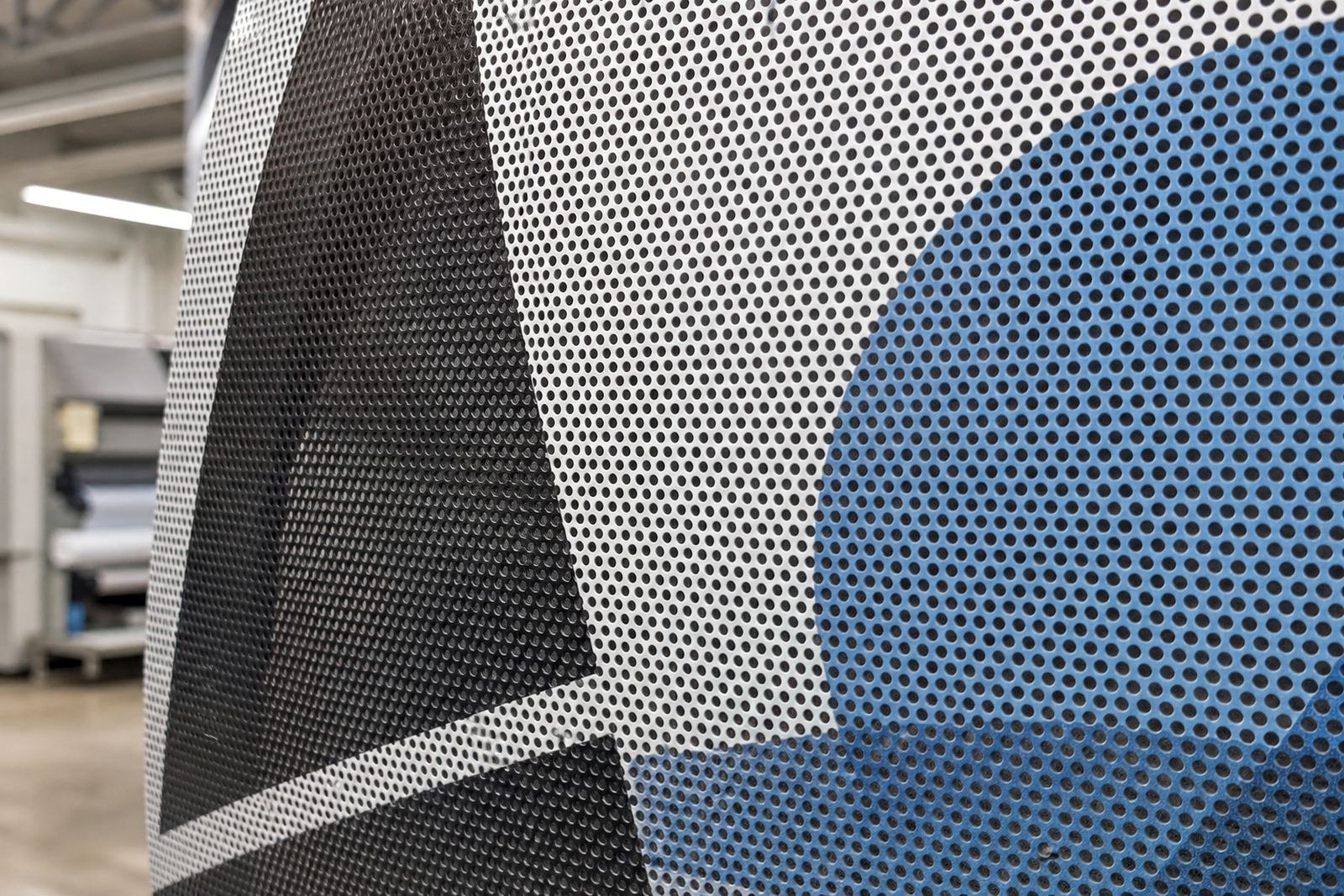
Vehicle window panels are printed perforated film pieces cut for rear windows and selected side windows on cars, bakkies, vans and light commercial vehicles. The film uses a hole pattern that lets light pass from the inside while the printed outer face shows your message, logo or contact details on the road. It is a good option when you want branding on glass without covering the whole window in an opaque layer.
For this product, the perforation ratio matters. Common options include around 40/60, 50/50 and 60/40 print to open area ratios, with the right choice depending on how much outside image coverage you need and how much inside visibility must be retained. Dark tinted windows, the vehicle’s glass shape and the size of the artwork all affect the final result. We usually recommend a test view on curved rear glass before production, especially where the vehicle is used daily in traffic and reversing is frequent.
OneWayVision in Montague Gardens, Cape Town works with perforated one-way vision film for shopfronts and vehicles, and vehicle panels are a practical part of that range. The same material principles apply whether the panel is fitted to a delivery hatch in Bellville, a service bakkie in Durban or a sales car in Pretoria. The key is clean artwork, correct sizing and proper installation so the panel sits flat and reads well from the outside.
Sizes, Panel Layouts And Print Options
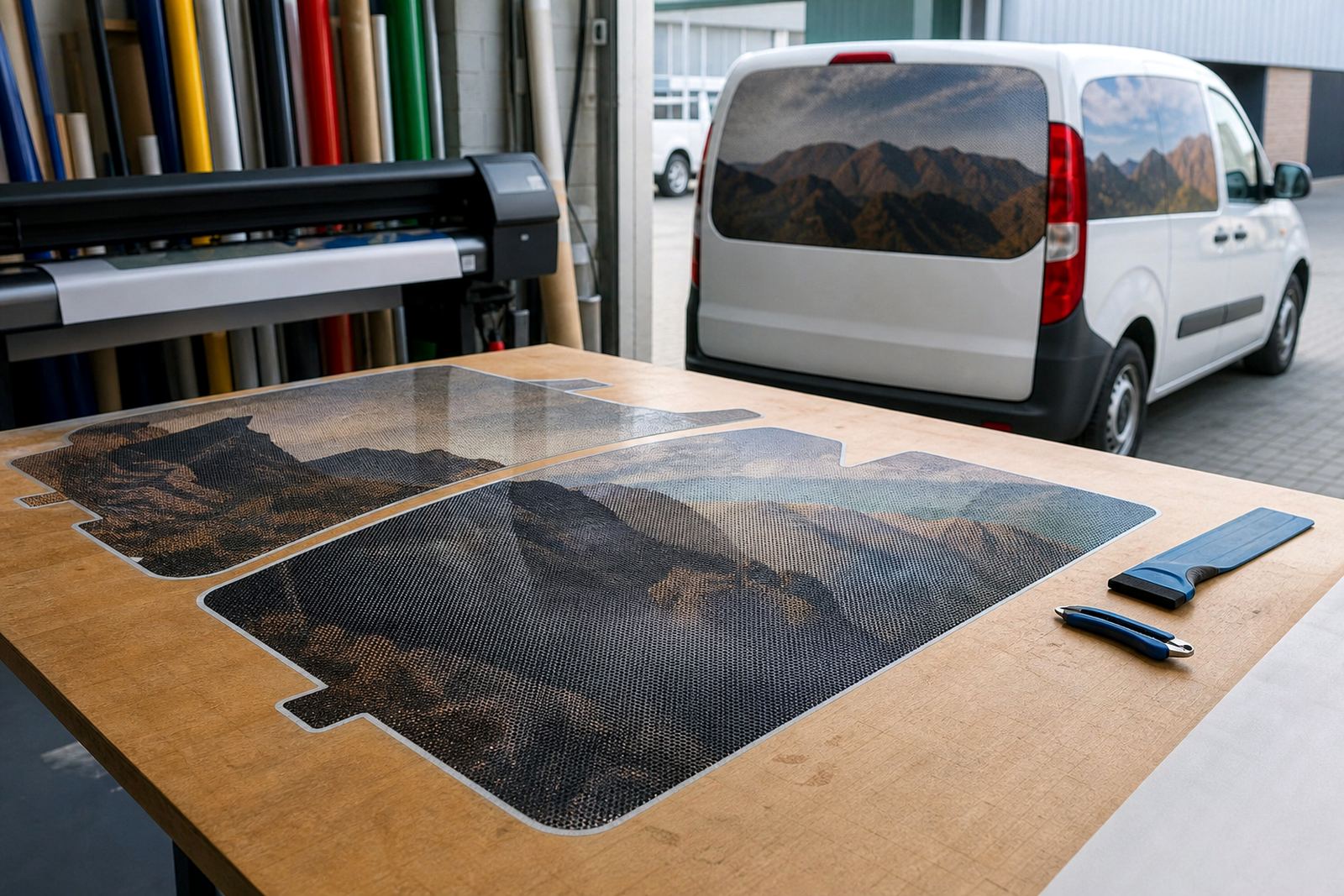
Panels are usually cut to fit each job instead of being supplied in one standard size. Rear window pieces are measured to match the glass area, while leaving neat clearances around heaters, wipers, seals and the window edges. Side panels may be produced as one full piece or divided into smaller sections where the shape of the glass, handles or sliding parts makes that necessary. For larger fleet work, we often make templates for each vehicle type so similar units can be matched accurately across the range.
Printing is done in wide format with solvent, eco-solvent or latex type inks depending on the production setup, followed by lamination when needed. Lamination is useful where the vehicle runs long distances, sits outside in strong sun or needs extra resistance to frequent cleaning. A matte or gloss finish can be chosen based on the look you want and the level of glare reduction required. For many commercial vehicles, a matte finish helps the print read more clearly in bright coastal light, especially in places like Milnerton, Gqeberha and Durban where humidity and salt air are part of the daily wear.
Artwork can include large logos, contact details, opening hours, service areas and campaign graphics. If the message must be read quickly in traffic, we keep the copy short and the contrast high. Fine detail can be printed, but very small text may disappear into the perforations at a distance, so we check this at proof stage and adjust where needed.
- Custom cut to each window or templated for repeat vehicles
- Available with matte or gloss lamination
- Suitable for full-colour printing, one colour graphics and text
- Can be supplied for rear windows only or as a full vehicle set
Where Vehicle Window Panels Suit Best
This product suits businesses that need moving advertising without blocking the whole glass area. It is commonly used on delivery vehicles, service fleets, school-run vehicles, tradesman bakkies, mobile technicians and branded sales cars. Rear side panels are useful on vehicles that park on streets, at sites or outside customer premises, because the branding stays visible even when the vehicle is stationary.
Vehicle window film must always be checked against current road traffic rules, especially where driver visibility is concerned. The rear window can usually carry branding more safely than forward side glazing, but the exact application must still allow the driver to see legally and drive safely. If you are unsure, rather confirm the current rules for your province or ask for a layout that keeps the driver view in mind. We will help you choose the right window positions and coverage so the panel does its job without causing problems at roadworthy checks or during day to day use.
For businesses in Cape Town, Johannesburg, Durban, Pretoria and Gqeberha, this is a practical way to keep your vehicles looking consistent across branches. It also works well for seasonal promotions or refit and refresh work when older graphics need to be removed and replaced with a cleaner set. Ayanda handles sales enquiries, while Liam and Ridwaan work through print production and vehicle fitment to keep the final finish neat on site.
- Fleet vehicles and branded service cars
- Trades, deliveries, technicians and mobile sales teams
- Temporary promotions or ongoing branding
- Vehicles with rear glass suitable for printed panels
Installation On Site Or In The Workshop
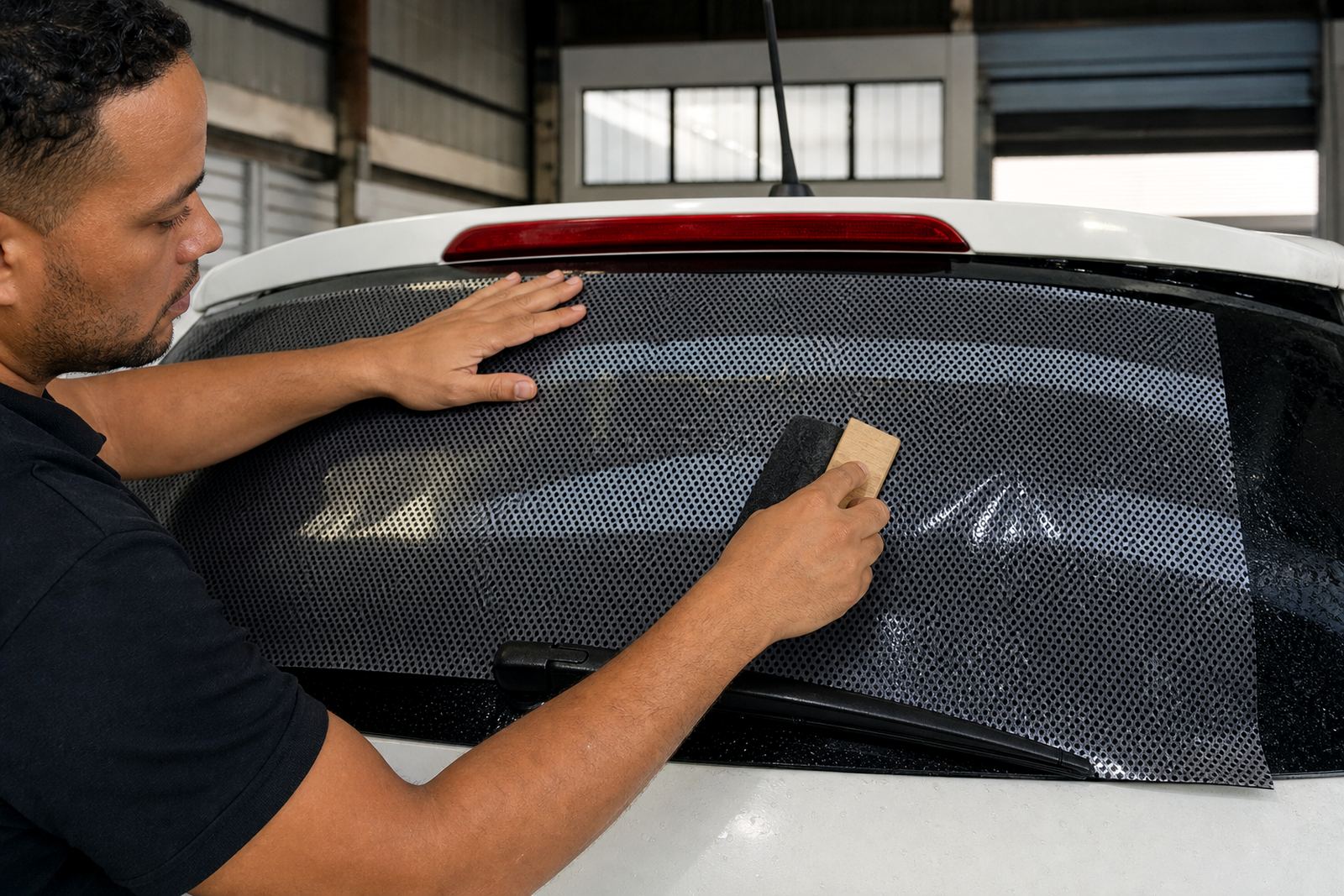
Installation starts with surface preparation. The glass must be clean, dry and free from wax, road film and silicone residue. Old film, adhesive or sticker glue should be removed before a new panel goes on, otherwise the perforations can lift at the edges or trap dirt. We measure the window, check the handles, heating elements and rubber seals, then fit the panel with correct alignment so the print sits square and the edges are tidy.
Noluthando coordinates installations and can arrange refit and refresh work where older graphics need replacing. For larger fleets, we can stage the work vehicle by vehicle so the business stays operational. A single panel can often be fitted quickly, but the final result depends on preparation and drying time, so it is worth leaving the vehicle parked after installation instead of putting it straight into rough service.
Care, Cleaning And Everyday Use
Perforated film is durable, but the open pattern means dirt and road grime can build up faster than on plain vinyl. Gentle cleaning is best. Use a soft cloth or sponge with mild soap and water, then wipe without scrubbing hard across the holes. Avoid harsh solvents, rough pads and high pressure washing aimed directly at the edges. If the vehicle is washed often, especially in coastal humidity, the panel should be checked now and then for lifting corners or contamination at the seal lines.
Do not apply stickers over the printed panel unless they are meant to be used together, because this can block visibility and spoil the print. If the panel needs to come off later, removal should be done carefully and the glass cleaned afterwards. Refit work is often needed when a fleet changes phone numbers, branding or branch coverage, and it is usually more cost effective to replace the panel than to patch an old one.
Chantel supports customers after installation, including queries about cleaning, re-ordering and panel care. If a vehicle is parked for long periods in the sun, regular checks help the film last longer. In hot areas and on vehicles that travel every day, a little maintenance goes a long way and keeps the branding sharp.
- Wash with mild soap and water only
- Check edges after long trips or repeated washing
- Avoid aggressive scraping and harsh chemicals
- Remove and replace when branding or details change
What To Check Before You Order
Before ordering, confirm which windows you want covered, what size each panel should be and how much interior visibility you need to keep. If the vehicle has tinted glass, privacy glass or a rear wiper, let us know because these details affect the final layout. It also helps to confirm whether the panel is for one vehicle or a small fleet, since repeat units should be templated the same way. Marius Ntsele oversees the team as Managing Director, with production and support handled from Montague Gardens, Cape Town.
You should also check the artwork basics before print: logo files, wording, branch details, colours and the exact message that must appear on the road. If the panel must match existing branding across a branch network, we can set up colour proofing so the print reads properly on the glass. For nationwide dispatch, we pack and send panels to Cape Town, Johannesburg, Durban, Pretoria and Gqeberha, with local supply support from Bellville and Milnerton where needed.
When the order is ready, we confirm the panel size, perforation choice, finish and application method. That way the product matches the vehicle and the legal visibility requirements. If you are unsure about the side window coverage, it is always better to ask first than to guess and end up with a panel that is too dark or too small.
Key facts
| Product type | Perforated one-way vision window panels for vehicles |
|---|---|
| Typical perforation ratios | Around 40/60, 50/50 or 60/40 print to open area |
| Print method | Wide format printing with optional lamination |
| Applications | Rear windows and selected side windows on cars, bakkies, vans and light commercial vehicles |
| Installation | Clean glass fitment with templating for repeat vehicles |
| Supply area | Montague Gardens, Cape Town and nationwide dispatch across South Africa |