What 70 30 vision film is used for
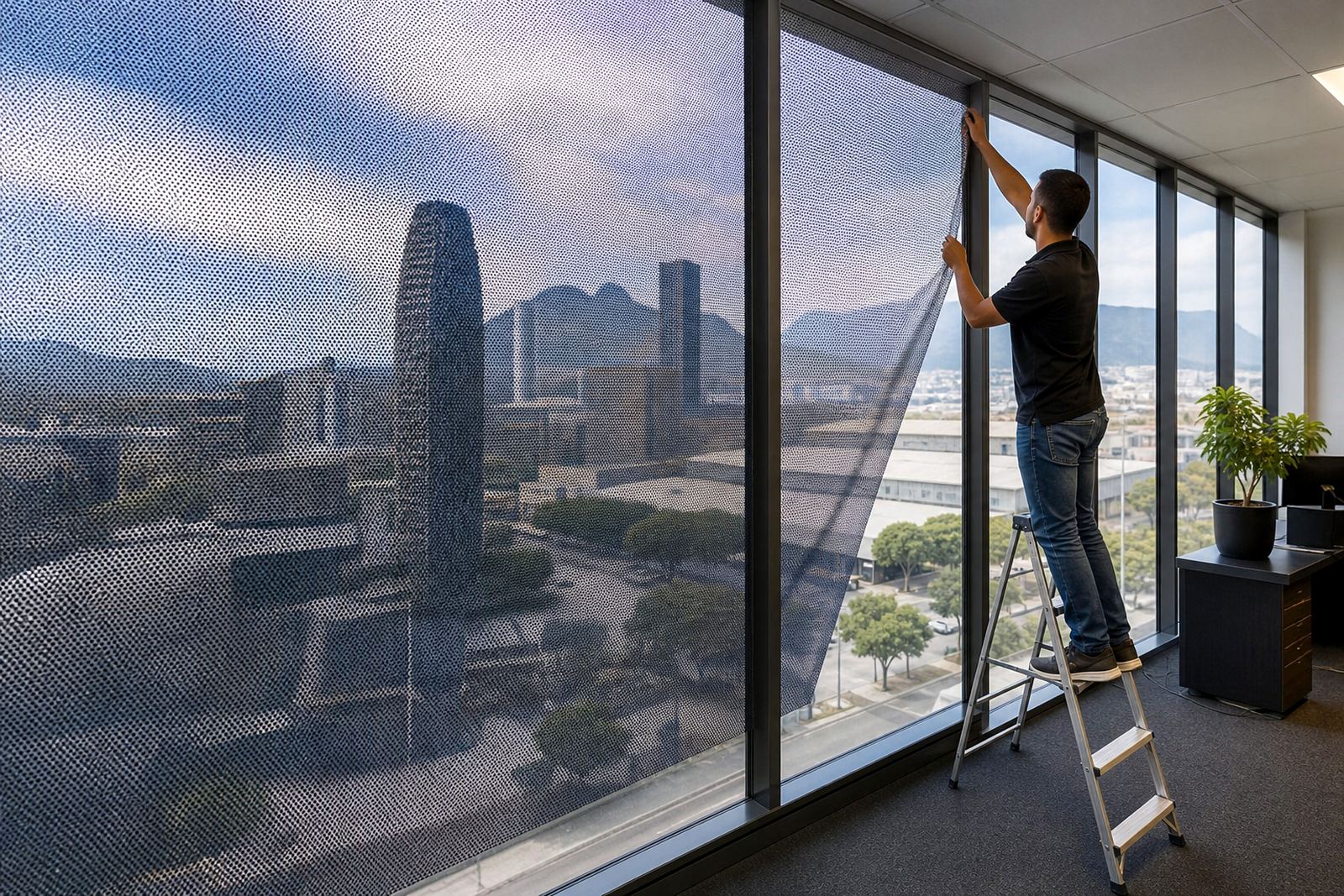
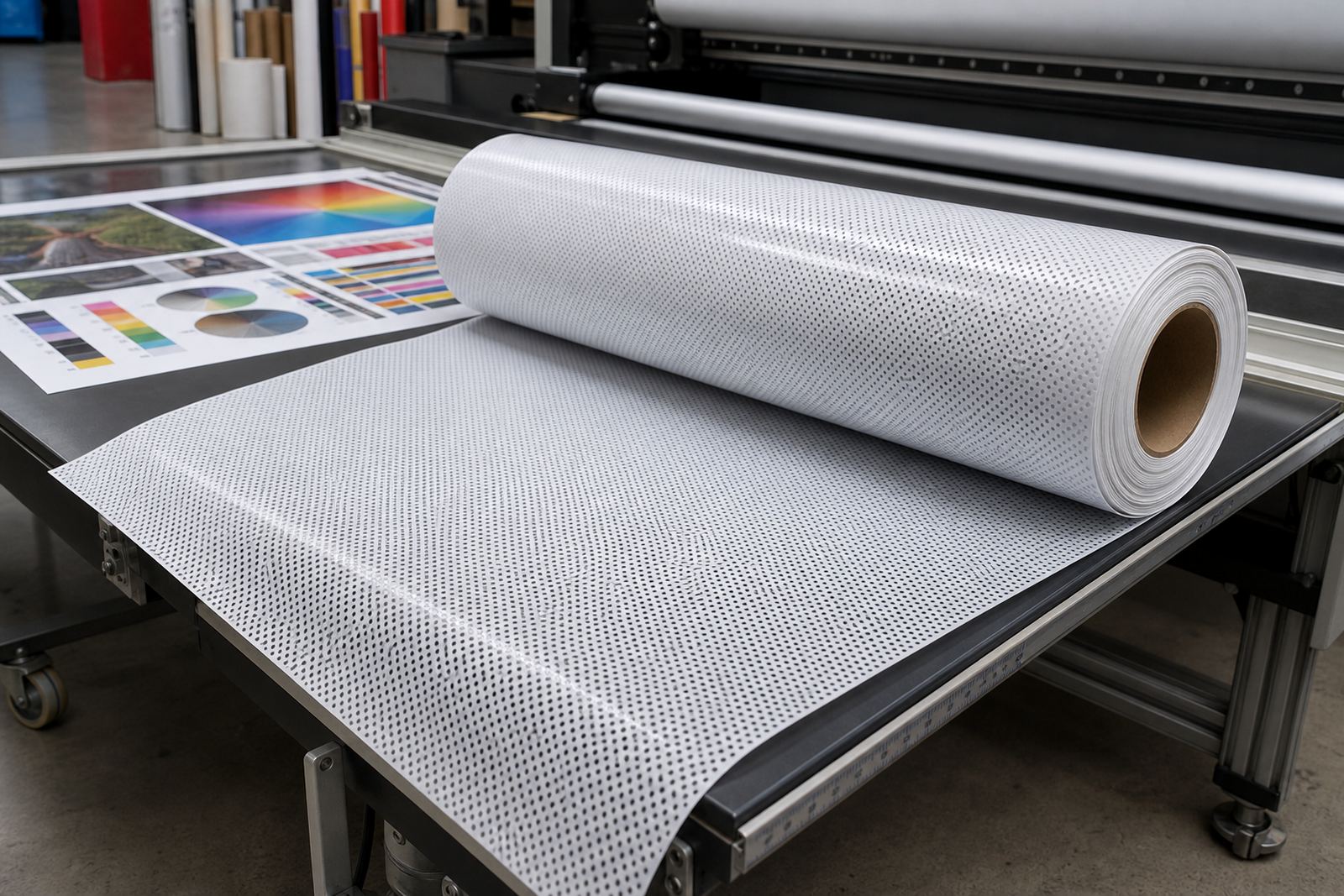
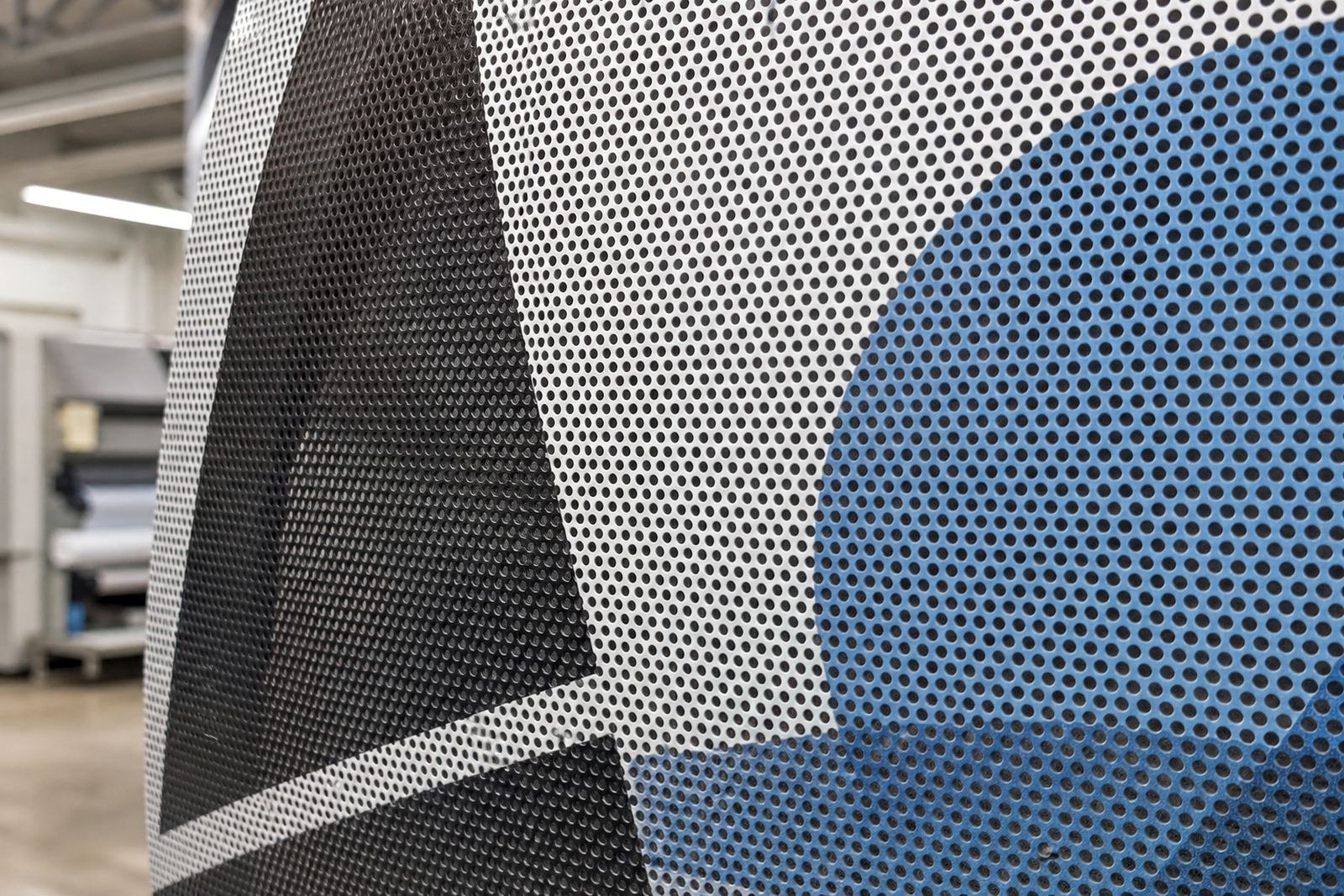
70 30 vision film is a perforated one way vision material made for printed graphics on glass and vehicle windows. The printed face gives a bold outward image, while the smaller open area helps the person inside keep looking out during the day. The 70 30 format means more printable surface and less open area than lighter perforation films, so it is chosen when the message or artwork needs to read clearly from outside.
For retail shopfronts in Cape Town, busy service counters in Johannesburg, and vehicle fleets working across Durban, Pretoria and Gqeberha, this film gives useful branding without blocking the whole window. It is commonly used on display glass, office partitions, rear side windows, rear doors and large flat panels. The right print setup matters because the holes, ink laydown and laminate all affect how the image looks from both sides.
Print coverage, perforation and finish options
With a 70 30 ratio, the film has a denser print area than 50 50 or 60 40 styles, so colours can look fuller and text can stand out better from the street side. The trade off is that inside visibility is slightly reduced compared with lighter perforation films. For most applications, the best result comes from matching the artwork to the viewing distance, glass size and amount of daylight coming through the opening.
We work with wide format printing for the film, followed by lamination where needed to protect the printed face from handling, UV exposure and cleaning. Lamination also helps when the film is fitted to vehicles that wash often or spend time on coastal routes with salt air. In some settings a matte finish helps reduce glare, while a glossier finish can make colour appear stronger under direct sun.
- Common widths are cut to suit shop windows, doors and vehicle glass panels
- Artwork can be supplied as full coverage graphics, cut text or branded panels
- Print direction is planned so the image reads correctly from the outside
- Lamination may be recommended for higher wear areas and frequent cleaning
Where this film suits best
This film suits sites that need a stronger outer graphic without giving up all inside visibility. It works well for retail stores, medical rooms, forecourt offices, reception areas, service centres and vehicle branding where the window is part of the message. In shopfront use it can help cover plain glass, hide clutter behind counters and keep displays looking neat from the pavement.
On vehicles, 70 30 film is often chosen for rear side windows and rear screens on bakkies, panel vans and crew vehicles. The person inside should still be able to see clearly enough for safe driving and reversing, but vehicle window film must always keep the driver view legal. Check the current road traffic rules before fitting any film to the front side windows, windscreen or other regulated glass areas.
- Shopfronts that need stronger advertising impact
- Office glass where privacy and daylight both matter
- Delivery vehicles, service vans and branded fleet vehicles
- Temporary promotions and seasonal campaigns
Installation and site readiness
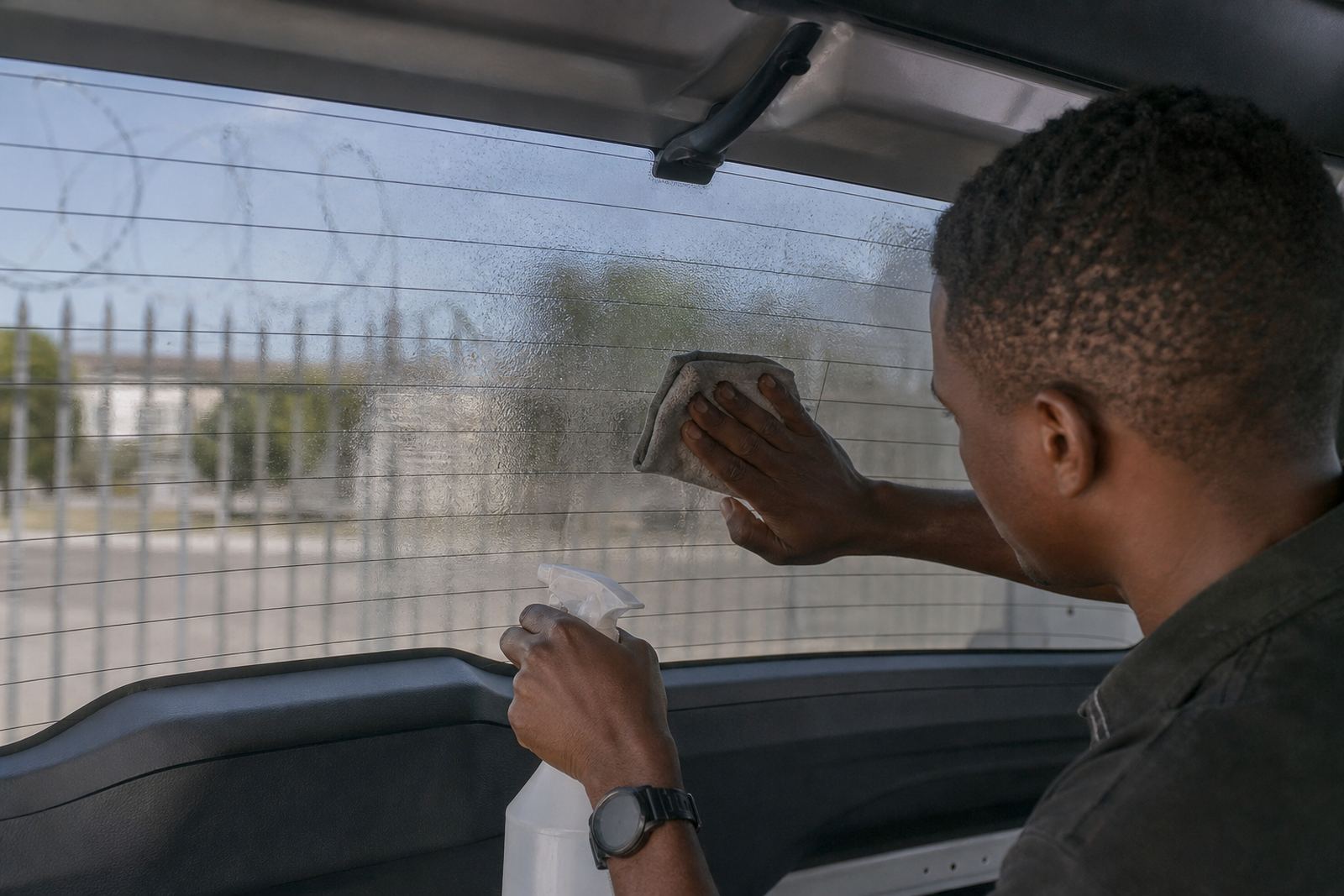
Glass fitting starts with surface preparation. The pane must be cleaned properly, free of dust, silicone, oil and old adhesive. If there is existing film, it should be removed and the glass checked for residue or damage before the new film goes on. On commercial sites, exact measurements are important because window frames are not always square and some older buildings in the city bowl or in industrial areas have uneven glass openings.
Vehicle fitting usually needs a clean bay, good light and a dry space protected from wind. For printing and finishing, steady supply supports wide format equipment, cutting tools and drying steps. If heat tools are used on site, extra access may be arranged where needed, especially for winter installation work in Cape Town.
- Allow time for measuring, artwork approval and curing before fitment
- Keep windows dry for the first 24 to 48 hours after installation
- Do not fit over cracked glass, failing seals or flaking tint
- Check access for ladders, scissor lifts or vehicle staging where needed
Care, cleaning and long term use
Once your 70 30 vision film has been installed, routine care is easy if it is handled gently. Wipe it with a soft cloth or sponge and a little mild soap mixed with water. Steer clear of harsh solvents, abrasive pads and firm scrapers, as these can damage the printed face or lift the laminate edge. On vehicle glass, avoid directing high pressure washing at the film margins, particularly soon after fitting.
For shopfronts near the coast, regular cleaning helps reduce salt build up on the glass and keeps the graphic readable. In busy street areas, dust and vehicle grime can settle quickly and make the perforations look dull if left too long. If the film is used on a changing promotion, the old film can be removed and the glass prepared again for a fresh set of graphics.
- Wait before the first wash so the adhesive can settle
- Use gentle pressure around corners and seams
- Ask for refit and refresh if the site branding changes
- Replace damaged sections rather than patching over poor areas
What to check before you order
Before ordering, confirm the glass type, exact measurements and the viewing direction. A panel that works on a showroom window may not suit a curved van window or a split rear door. The amount of outside message, the need for privacy and the required inside view should all be considered together. If the film is for a vehicle, check the current legal requirements first so the final fit does not create a compliance issue.
It also helps to decide whether the job needs full coverage, partial coverage or a repeat pattern across several windows. Artwork setup should be prepared at the right size, colour proofing should be checked before printing, and any cut lines or clear viewing zones should be marked in advance. For larger rollouts across Cape Town, Johannesburg, Durban, Pretoria or Gqeberha, good planning saves time and avoids rework.
- Glass size and shape, including curves and seals
- Inside view requirements for staff or drivers
- Artwork quality, logo placement and text size
- Whether old film must be removed first
- Delivery timing for one site or multiple branches
Key facts
| Film type | Perforated one way vision window film |
|---|---|
| Coverage ratio | 70 30 print to open area format |
| Typical use | Shopfront glass, vehicle windows and interior glazing |
| Print method | Wide format printing with colour proofing |
| Finish options | Printed face with optional protective lamination |
| Service areas | Montague Gardens, Cape Town, Johannesburg, Durban, Pretoria and Gqeberha |