What a single pane set includes
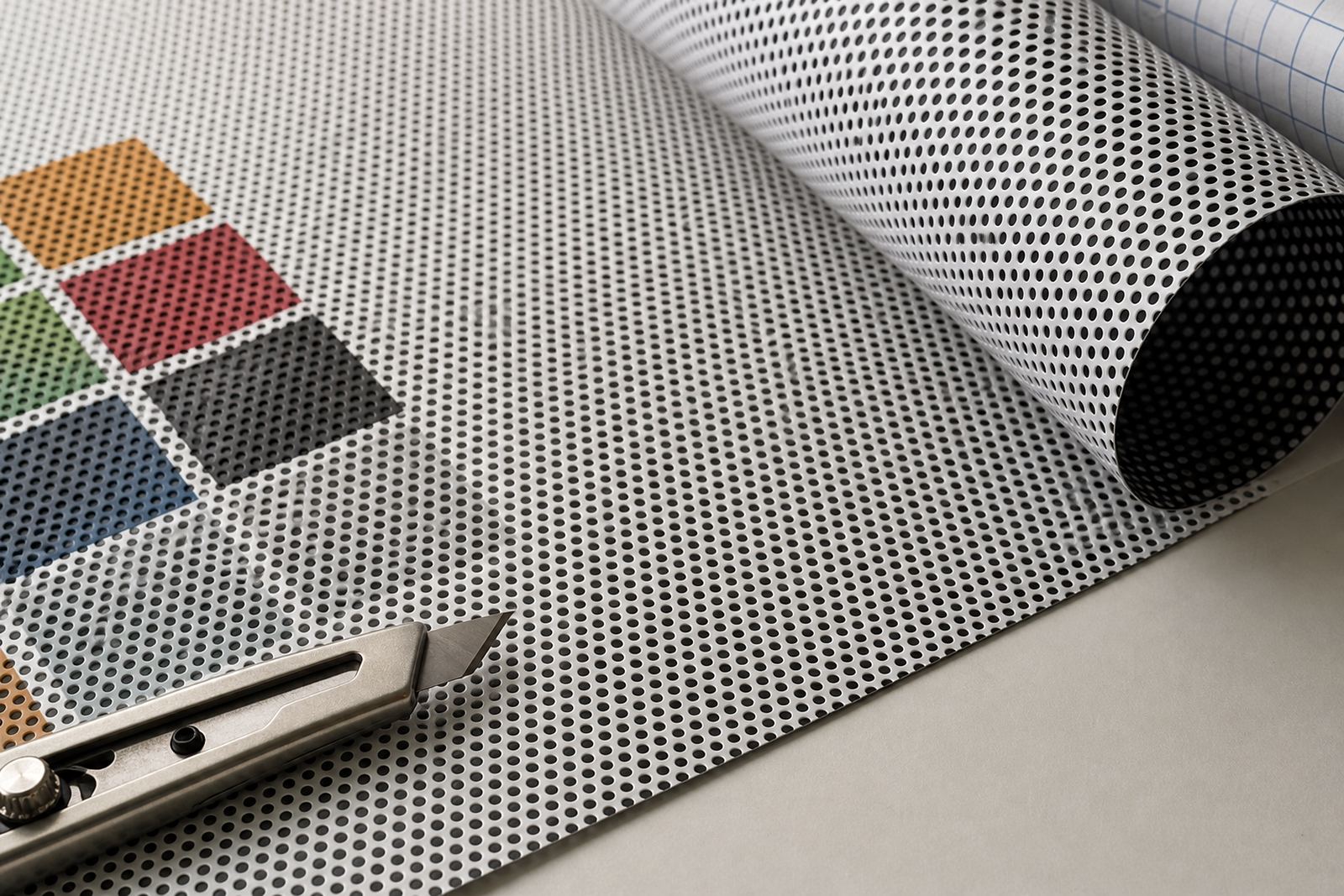
A single pane set is a cut-to-size perforated film supply for one defined panel, usually a shop window, glass door panel or vehicle rear screen. The base film is made with fine holes that let light pass through while carrying printed colour and text on the outside face, so the graphic reads clearly from the street but still allows a view out from inside. Hole patterns are commonly set around 40/60 or 50/50 open area ratios, with the exact choice depending on how much inside visibility you want versus how solid the printed image must look. Smaller runs are useful when you only need one panel done, not a full storefront wrap or a full vehicle set.
For shopfronts in Montague Gardens, Bellville, Milnerton or any busy retail road, a single pane set can carry trading hours, a promotion, simple branding or privacy screening. For vehicles it is often used on a rear window, tailgate glass or small side window where the glass shape and safety requirements must be respected. Because this product is cut for one pane at a time, the finish is neat, practical and easier to manage during a refit or refresh job.
- One window, one door panel, or one rear screen per pack
- Perforated print face with clear viewing from the inside
- Suitable for short runs, test graphics and repeat print runs
- Can be supplied for flat glass or gently curved vehicle glass
Size options and print build-up
Single pane sets are usually produced from wide format printed film and then trimmed to the final panel size after measuring. Standard shopfront glass is often supplied by the metre and cut to fit within the visible pane area, leaving allowance for seals, handles and glazing bars. Vehicle rear screens need closer templating because of heating wires, high brake light housings and curved edges. In many cases the film is printed, then laminated for added surface protection before it is cut. Lamination helps with scuff resistance, cleaning and everyday handling, especially on panels that face sun, dust and coastal humidity along the Cape or KZN coast.
When ordering, it helps to confirm whether the panel is full bleed or has a clear border, whether the image must align to a specific edge, and whether the film should be supplied with or without clear viewing holes through key areas. A simple one-panel order can still include colour proofing so the final printed result matches the artwork and the glass size. If the pane is narrow, tall or irregular, measurements should be checked twice because even a small error can affect the final fit.
- Cut-to-size for single panes, doors or rear windows
- Laminated and unlaminated options depending on use
- Artwork can be sized to the exact glazing opening
- Clear border, full coverage or partial coverage layouts
Best uses for shopfronts and vehicles
This product suits small business owners who need one clean panel done well, not a large batch. Retailers use it on a front window to advertise a special, a service or business hours. Offices and service counters use it for privacy while still keeping a bright internal feel. On vehicles, the rear screen is the most common choice because it gives good brand visibility without crowding the sides. The same material can also work on a small glass partition or a door panel at a reception area where the message must be seen from the outside and the inside view must remain usable.
For vehicle work, the film must be applied in a way that keeps the driver view legal. Check the current road traffic rules before fitting any rear or side glass film, especially if the vehicle is used for daily deliveries or public-facing work. A rear screen may be suitable for graphics, but the view through the windscreen and the main driver sight lines must stay within the law. On site, the installer must also consider tint already on the glass, rear heating elements and the condition of the seals. If the glass is scratched or dirty, the film will not sit properly and the finish can show defects after the first wash or sun exposure.
- Retail shopfront promotions
- Service counters and privacy glazing
- Vehicle rear screens and rear side windows
- Single-panel office or reception branding
Installation, access and site prep
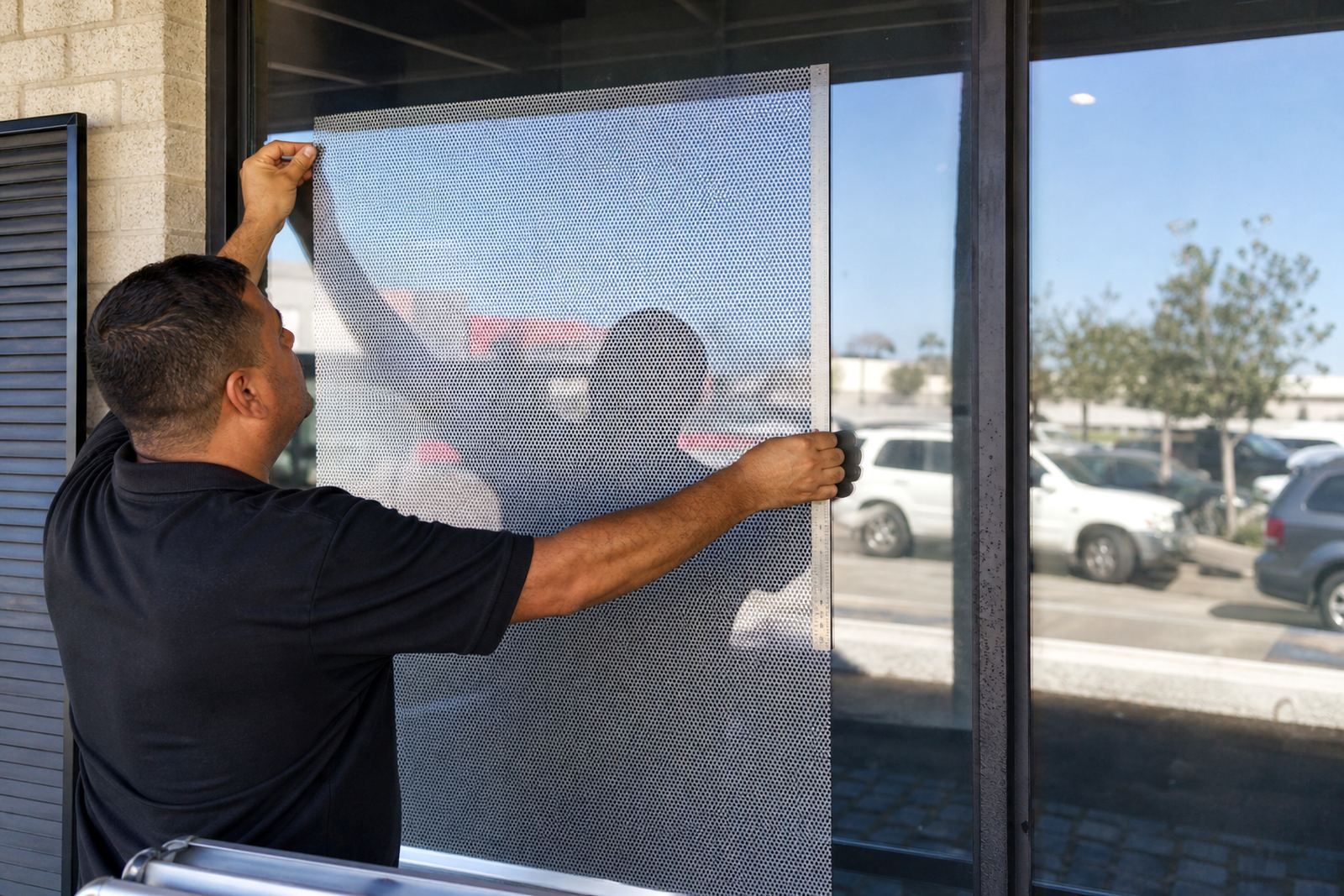
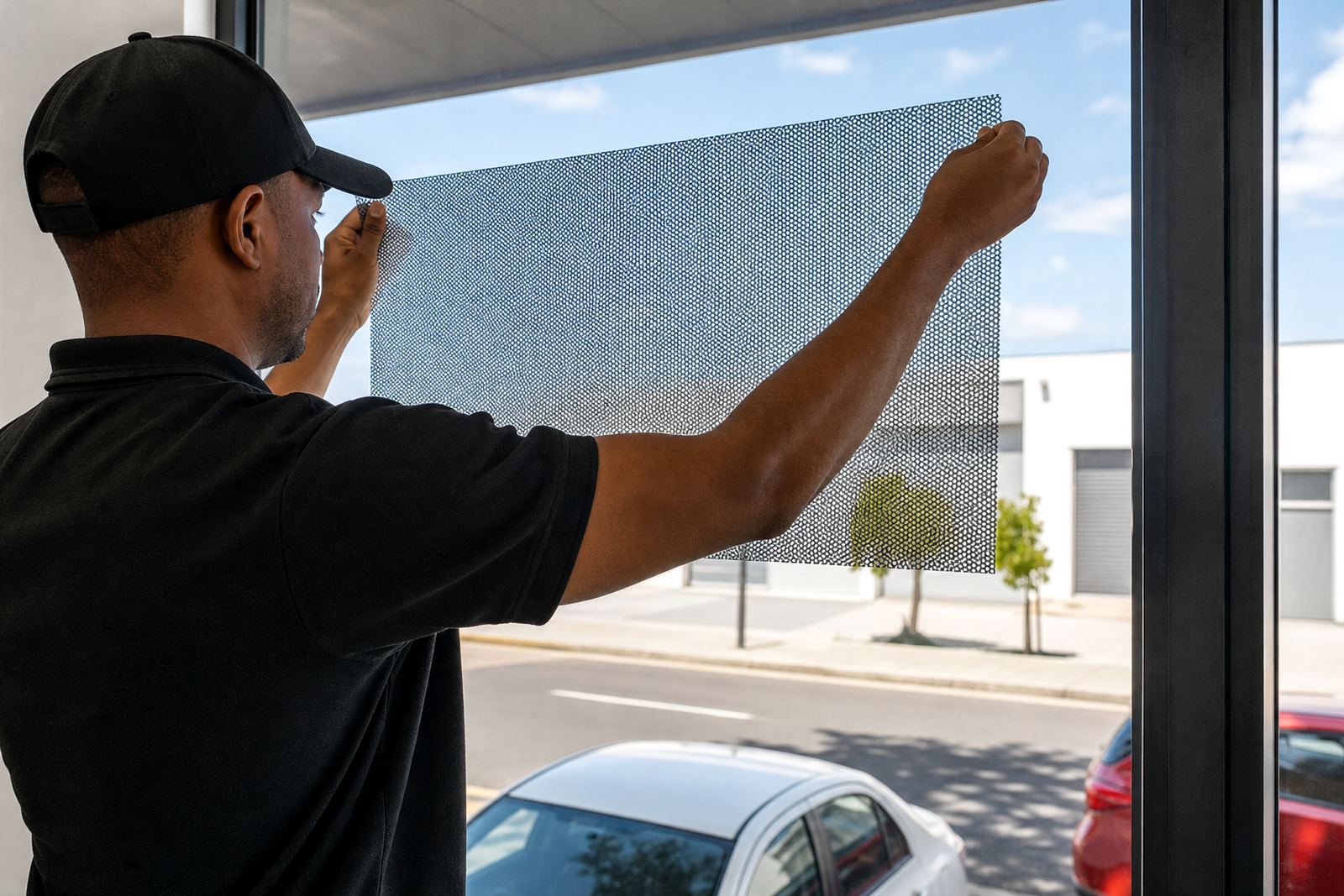
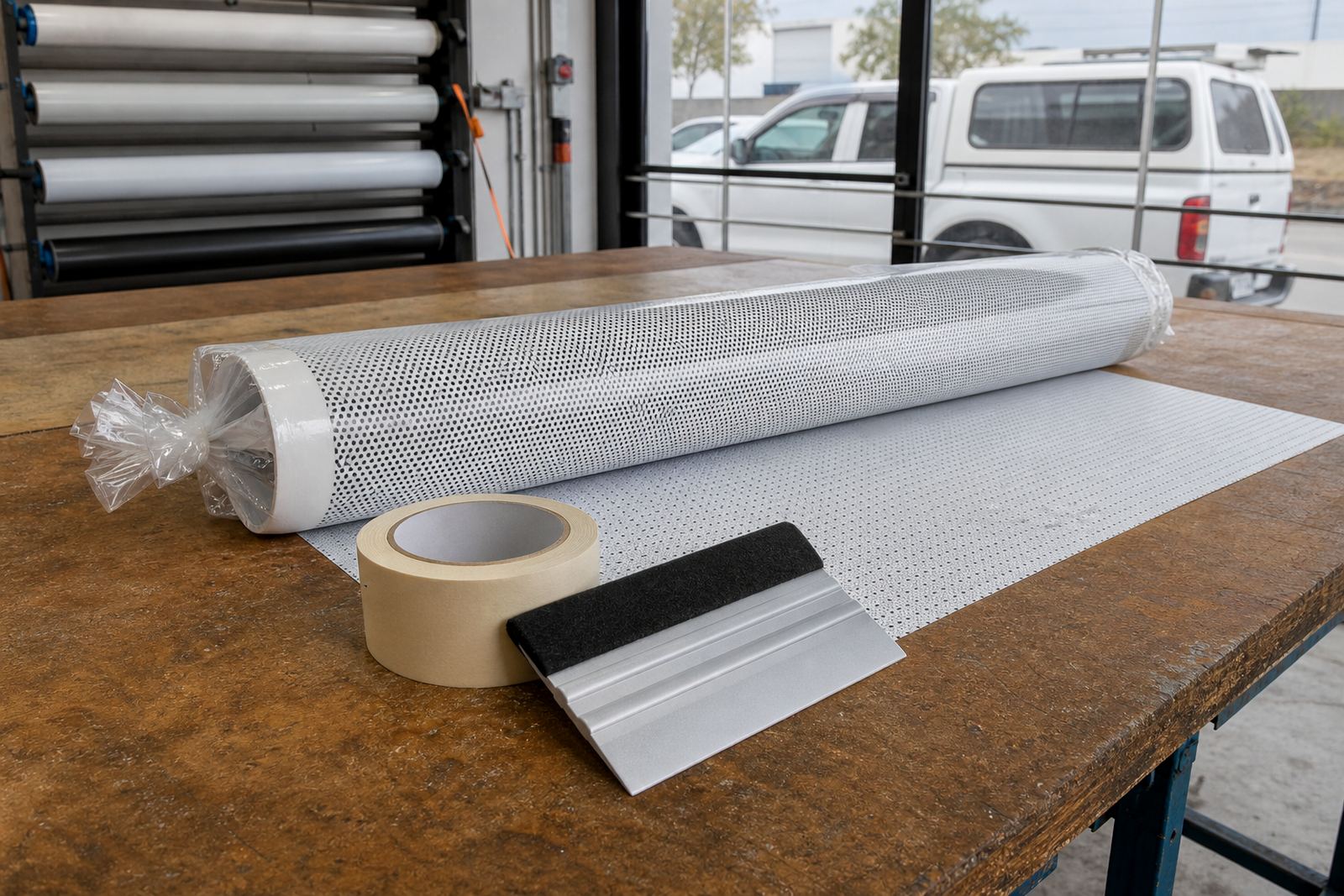
Single pane sets are usually fitted with standard glass film tools, clean water mix, squeegees, trimming blades and surface prep cloths. For vehicle work, the process also includes cleaning around seals, careful handling of rear glass details and a final edge check. On shopfronts, a ladder or step platform may be needed if the glass starts above shoulder height. The surface should be dry, dust free and free of silicone residue. If the pane is in a busy mall passage or roadside storefront, the installer may need to work outside trading hours to avoid people brushing against the wet film while it settles. For refit and refresh jobs, a previous graphic must be removed first and the adhesive cleaned off before the new film is fitted. That can take longer on older glass where glue has hardened or where film has been baked on by years of sun. Good preparation is what gives the final edge a neat look instead of a ragged one.
- Standard install tools and clean water mix only
- No special site services needed for fitting
- May require after-hours access for retail premises
- Old film removal and adhesive clean-up can be included
Care, cleaning and servicing
Built for everyday use, perforated one-way vision film still needs sensible care. During the first curing period after installation, the panel should be left alone as much as possible so the adhesive can settle. After that, cleaning should be gentle. Use a soft cloth or sponge and mild soapy water, then wipe dry without hard scrubbing. Do not use steel wool, sharp tools or strong solvent cleaners because these can damage the print or lift the film edges. On vehicle glass, avoid pressure washing too close to the edges, especially on the first few weeks after fitting.
If the panel becomes scratched, faded or blocked by dirt over time, the service can be refreshed with old film removal and a new print. This is useful for seasonal promotions, route changes on a fleet vehicle or a shop that updates its branding after a move. In Cape Town and other coastal areas, salt air and strong sun can age film faster than in inland towns, so regular checks are worth doing. A quick look at edges, corners and the clarity of the holes will tell you whether the pane still performs as it should or needs attention soon.
- Allow proper curing time after installation
- Clean with mild soap and soft cloths only
- Avoid abrasive pads and harsh solvents
- Check edges and print condition every few months
What to confirm before ordering
Before placing an order, confirm the exact pane size, glass type and where the film will be used. A shopfront window and a vehicle rear screen are not ordered in the same way. The measurements, shape and viewing needs all change the final panel. It also helps to confirm whether the graphic will be one-sided only, whether text must read from outside only, and whether the design needs any clear viewing space. If you are fitting to a vehicle, tell the team if the glass has heaters, sensors or existing tint. If it is a shopfront, note any glazing bars, frames or lock fittings that may affect the cut line.
Also check the finish you want. Some orders need a stronger outside image with denser print coverage, while others need more inside visibility. Ask for artwork setup and colour proofing before print, and make sure the file is supplied in the right proportions for the panel. For sites in Johannesburg, Pretoria, Durban, Gqeberha and the Cape, delivery and installation timing should be planned around access, traffic and trading hours. One small set done properly can save a lot of back and forth later, and it usually gives a cleaner result than rushing the job.
- Exact measurements and glass shape
- Shopfront or vehicle use
- Text direction and viewing priorities
- Existing tint, heaters or fittings on the glass
Key facts
| Product type | Perforated one-way vision film set for one pane |
|---|---|
| Typical perforation ratios | Commonly 40/60 or 50/50 open area, depending on viewing and print needs |
| Format | Printed, laminated, cut-to-size panel supply |
| Suitable substrates | Flat glass, shopfront glazing, vehicle rear screens and selected side windows |
| Service options | Site measuring, vehicle templating, artwork setup, printing, lamination and installation |
| Coverage area | Single window, single door panel or one vehicle rear screen |