
What 50 50 Vision Film Is And How It Works
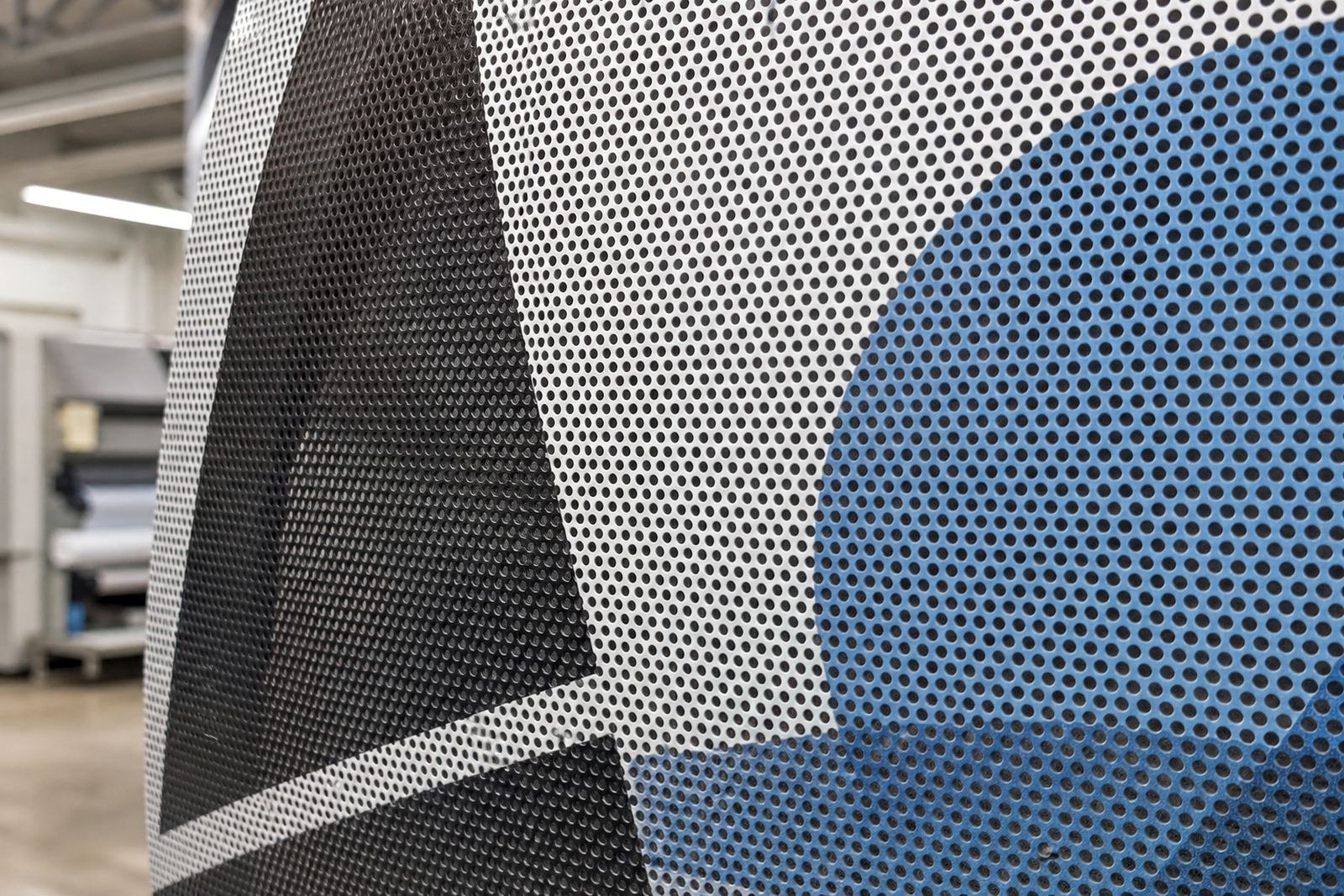
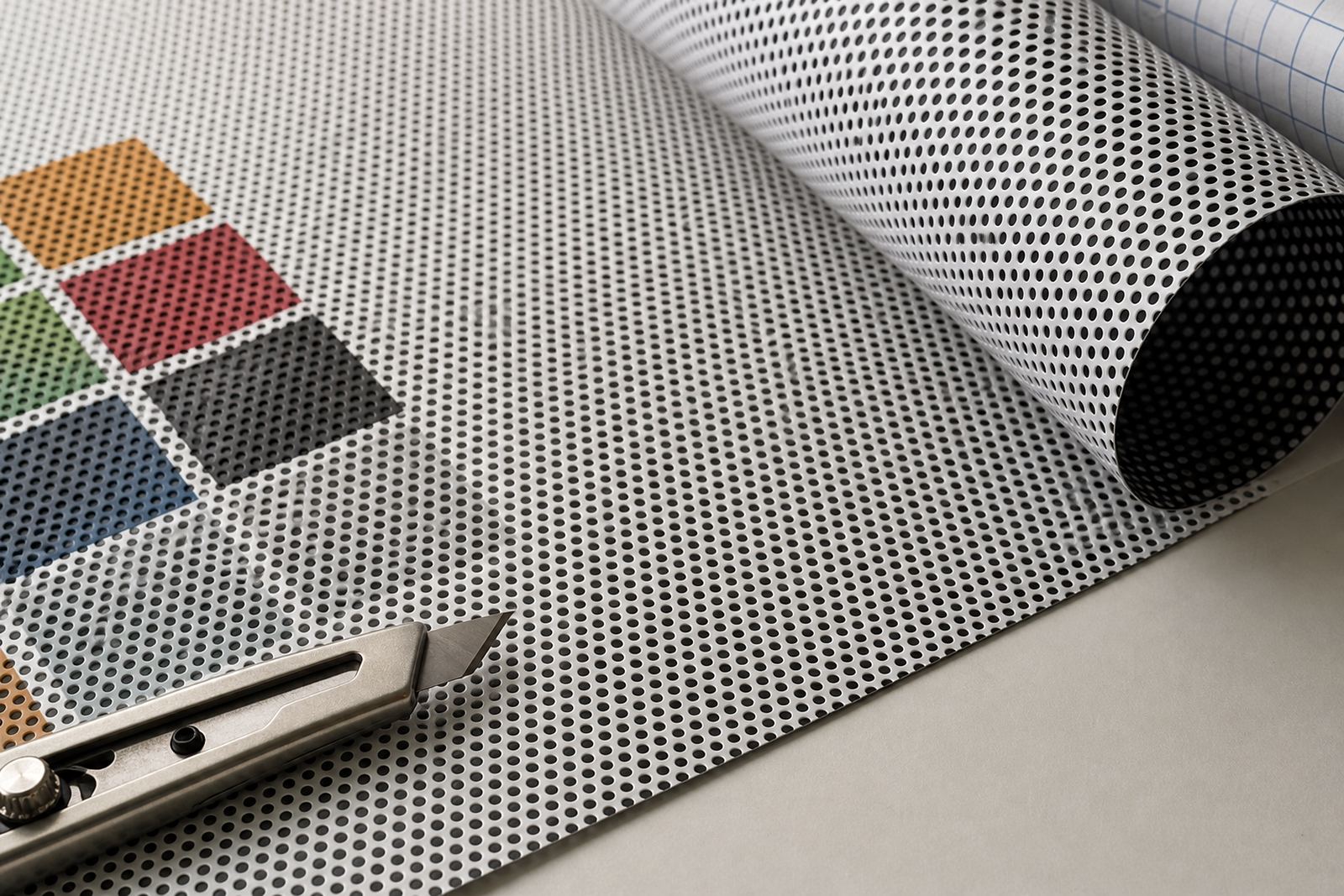
50 50 Vision Film is a perforated window film with an equal ratio of printed surface to open holes. In simple terms, half the face carries the graphic and half remains open, so people outside see your branding while people inside retain a clearer outward view in daylight. It is commonly used on shopfronts, office glazing, bakkie rear windows and fleet panels where you need a visible advert without turning the glass into a solid block.
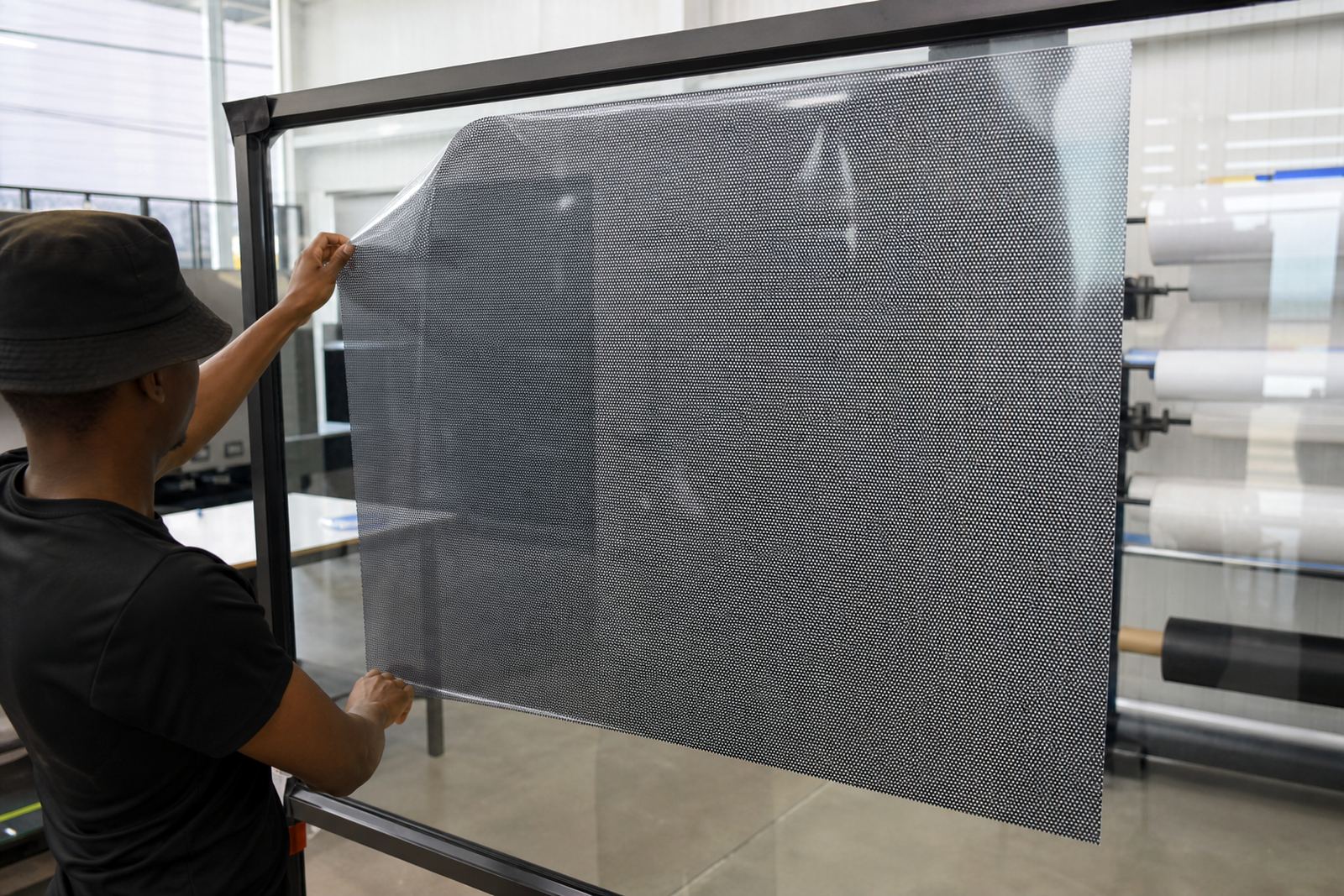
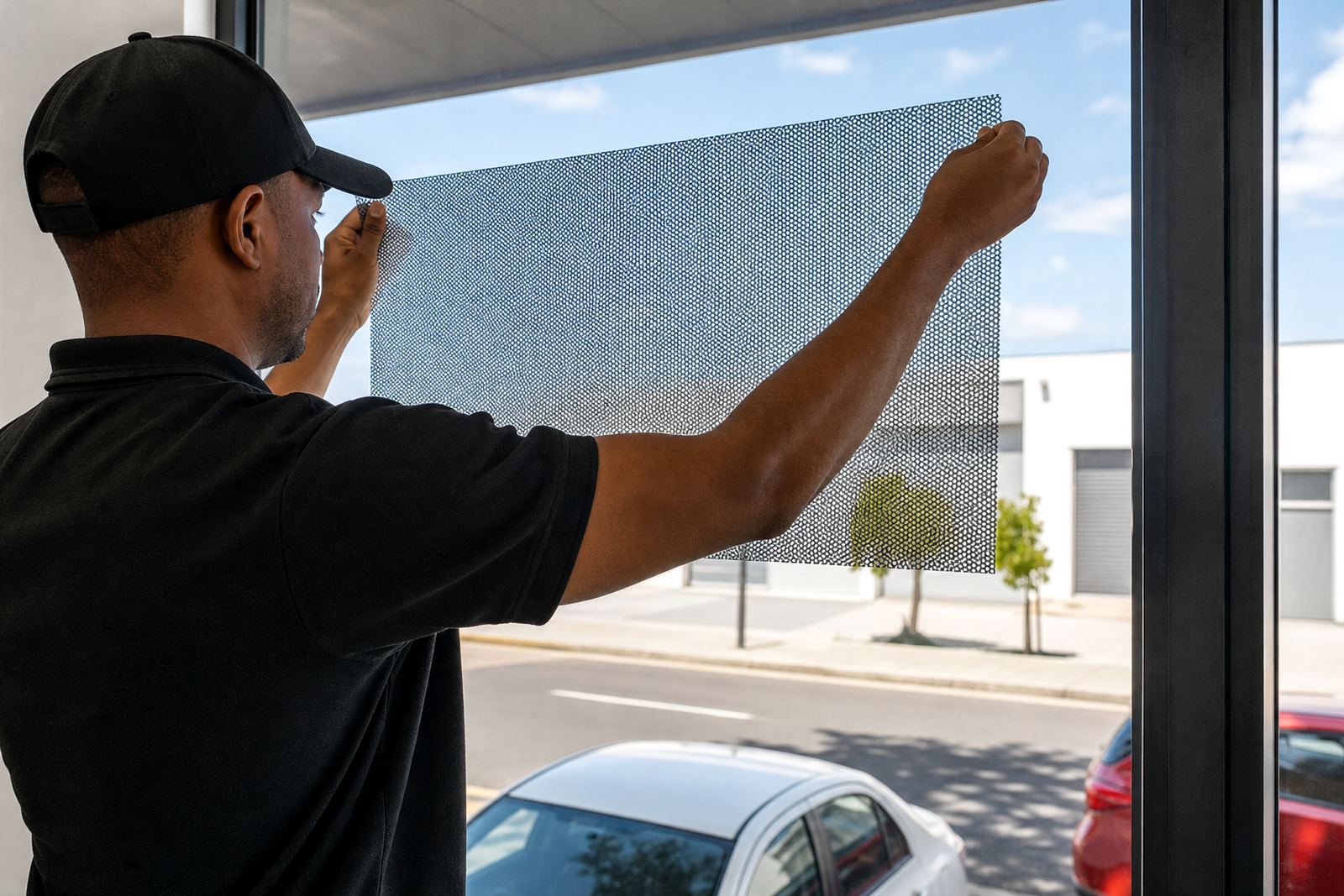
The film is printed in wide format, then finished for the intended use. On glass, the print sits on the outer face and the perforations allow a degree of one way visibility. On vehicle windows, the same principle applies but the layout must be planned carefully so the driver view stays legal. If the film is going on a vehicle window, check the current road traffic rules before ordering, because the allowed coverage and positioning can change by vehicle type and application area.
For many customers, the value lies in a neat finish without blocking all natural light inside. It is not meant for full blackout. It gives a balance, which is why some businesses use it for short to medium term promotions, seasonal branding or a refresh when the old graphics are dated and need a practical replacement.
Print, Lamination And Finish Options
Because the image is viewed through perforations, the artwork has to be set up properly from the start. High contrast copy, bold logos and clear contact details work better than fine detail. The print is usually produced on the outside face with a matching backing or release liner for application. Where needed, a clear lamination can be added to help protect the print from abrasion, road grime and repeated washing. Lamination also helps on exposed shopfronts where dust, moisture and sun can wear the surface faster.
Available format choices depend on the glass size and the way the film will be used. Most jobs are supplied as cut pieces for measured panels, but larger roll widths are also useful when you are covering a long shop window or a vehicle side. The main things to check are:
- Perforation ratio and how much outward visibility you want
- Film thickness and whether a laminate is included
- One piece or panelled installation for the size of the glass
- Print orientation for inside view and outside branding
- Adhesive type for temporary or longer use
If you are working with a storefront that gets morning sun, or a vehicle that spends long hours parked outside, a protective finish is worth considering. It can make the surface easier to wipe clean and helps the graphic hold up better in coastal humidity and strong summer heat. For some sites in Cape Town or Durban, that extra protection matters more than people expect, especially on glass that gets hit by salt air and fine dust.
Where 50 50 Vision Film Suits Best
This product suits shops that want street facing branding without closing off the interior completely. It works well on retail windows, service counters behind glass, reception areas, showroom fronts and internal glass partitions where you want a printed message on the outside side. In busy streets or shopping centres, the graphic helps you use the glass as advertising space instead of leaving it bare.
It is also a practical option for vehicle branding on rear windows and selected side windows, especially on delivery fleets, service vehicles and site support units. The balance between view through and print makes it useful for daily work vehicles that still need a degree of rear visibility. It is not the right choice for every panel, and on some vehicles the shape of the glass or the tint level may make a different perforation ratio more suitable.
Typical use cases include:
- Shopfront promotions and seasonal campaigns
- Vehicle rear window branding for fleets and service bakkies
- Office glass where privacy and daylight both matter
- Short to medium term advertising on leased premises
- Refresh work when old film has faded, bubbled or lifted
For customers across Cape Town, Johannesburg, Durban, Pretoria and Gqeberha, site conditions often decide the final spec. A windier corner site, a coastal frontage or a vehicle that works in dusty industrial areas all need slightly different planning. The film choice should match the job, not just the artwork.
Installation and surface prep
Good installation starts with clean glass. The surface must be free of silicone, polish, salt residue, loose paint and old adhesive. On shopfronts we normally measure the panes first, check the frame depth, and confirm whether the film will be installed on the inside or outside face. Vehicle windows need even more care because curved glass, dot matrix areas and rubber trims can affect adhesion and alignment.
For good results, window film should be installed in dry weather, with enough room around the pane for safe work. At OneWayVision, that means the glass must be clean and accessible, with room for ladders, tools and careful finishing. On busy shopfronts and office fronts, after-hours access can help reduce disruption to staff and customers. For vehicles, a sheltered bay helps keep dust and wind off the glass while the adhesive settles.
We also use site measuring, vehicle templating and surface preparation where required, because cutting film on site without proper checks can lead to waste. Small errors add up fast on large panes or curved rear windows, so a measured approach saves time and material.
Care, Cleaning And Service Life
After fitting, the film should be left to settle before aggressive cleaning. Most installers recommend avoiding heavy washing or scrubbing during the initial cure period, especially on vehicle windows. Once cured, use a soft cloth or clean sponge with mild soap and water. Avoid abrasive pads, strong solvents and high pressure spray aimed directly at the film edges.
On shopfront glass, routine dusting and gentle cleaning is usually enough. On vehicles, road film and exhaust residue can build up quicker, so the surface may need more frequent attention. If the graphic starts to lift at the corners or the print looks tired, old film removal and refit work can bring the window back into use. This is especially useful for promotional campaigns that change every few months or for businesses that update their fleet identity from time to time.
Care is simple, but it matters. A clean film lasts better, looks sharper and keeps the viewing effect more consistent. In coastal areas, regular washing helps reduce salt build-up, which can shorten the life of exposed edges if left untouched.
What To Check Before You Order
Before placing an order, check the window size, where the film will be viewed from, and whether the glass is flat or curved. You should also decide how much privacy you want compared with outward visibility. A true 50 50 layout gives a balanced result, but the final look changes with the artwork colour, background, lighting and whether the inside is brighter than the outside. At night, lit interiors can reduce the one way effect, so this should be considered for retail spaces that operate after dark.
It also helps to confirm these points:
- Exact measurements for each pane or vehicle window
- Whether the film is for internal or external application
- Artwork readiness, including logos, fonts and contact details
- Need for lamination or extra durability
- Any legal limits for vehicle window coverage
- Timing for installation, refit or seasonal changeovers
If you are not sure what ratio suits the job, ask for a measured recommendation rather than guessing. A panel that works for a Bellville shopfront may not suit a Durban fleet vehicle. The right setup depends on the glass, the usage and the message you need to carry.
Key facts
| Product type | Perforated one way vision window film |
|---|---|
| Open area / print area | 50 percent open, 50 percent printable face |
| Typical use | Shopfront glass, office glazing and vehicle windows |
| Printing method | Wide format print with optional protective lamination |
| Application surfaces | Clean glass, tempered glass and suitable vehicle glazing |
| Coverage note | Vehicle window use must keep driver visibility legal, check current road traffic rules |