Temporary graphics that still leave the inside usable
Short term film is a perforated one-way vision window film used for promotional work on shopfronts, glass partitions and selected vehicle windows. The printed face carries full colour artwork, while the perforation pattern allows people inside to see out during the day. It suits retail specials, event notices, product launches and time-bound messages that need a neat finish without permanent signage.
The film is normally supplied as a printable white face with a black adhesive backing, then printed and cut to the required size. Common perforation ratios are 40/60 and 50/50, depending on how much outside image density and inside visibility is needed. Smaller holes generally give a fuller graphic look, while larger open area can improve visibility from the inside, especially on darker interiors or tinted glass. The right choice depends on the glass size, viewing distance and how much light comes into the space.
Where short term film works best
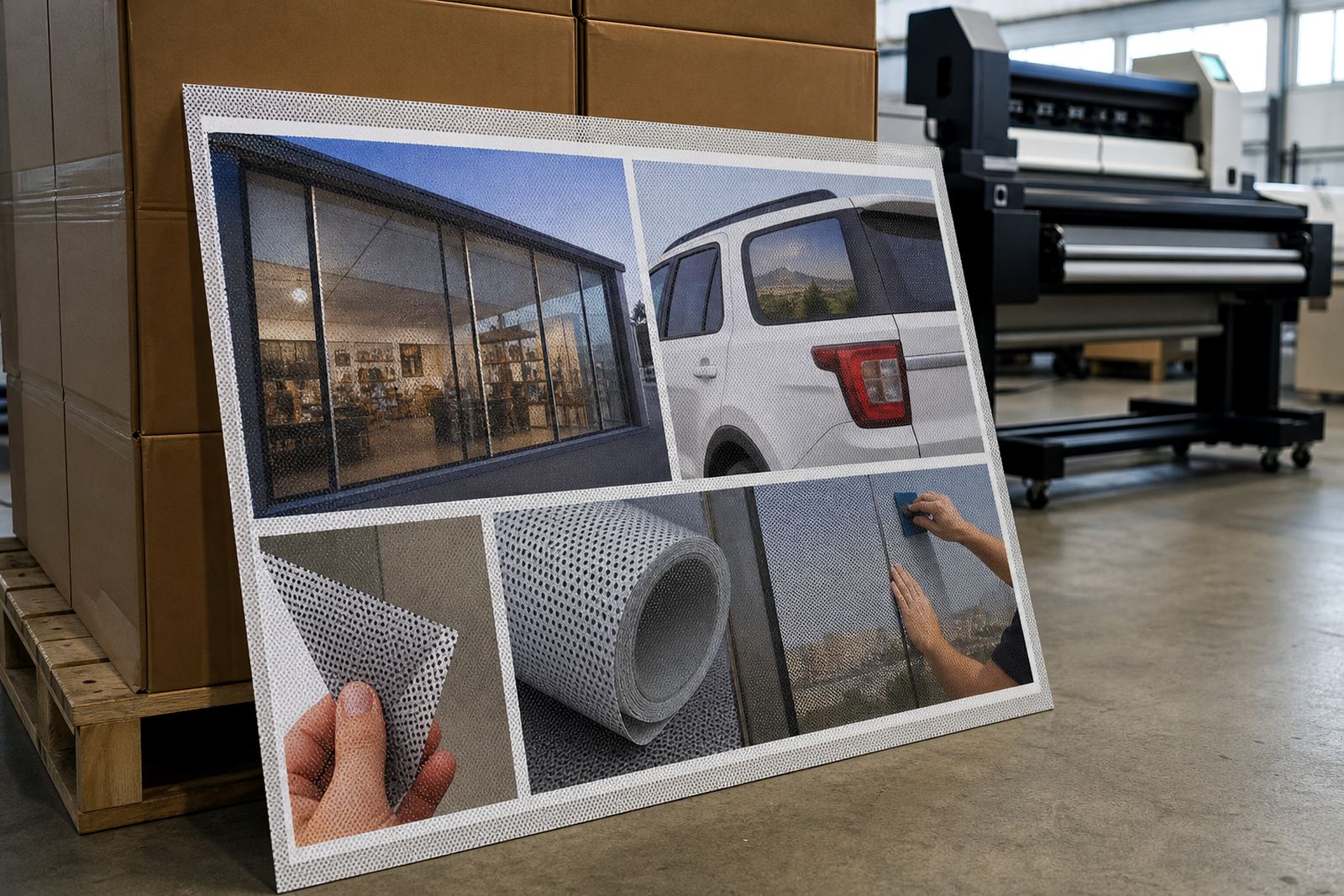
This product suits flat glass and lightly curved glass where the surface is clean and in good condition. It is often used on shopfronts in busy streets, offices with street-facing windows, showroom glazing and vehicle side windows. For fleets and service vehicles it can carry contact details, offers or seasonal branding without blocking the whole window. On any vehicle, the driver’s view must remain legal and the current road traffic rules should be checked before ordering or fitting film to glazed areas.
- Shopfronts with seasonal campaigns or price promotions
- Office windows needing temporary privacy and branding
- Fleet vehicles, vans and service bakkies with short run graphics
- Event sites, activations and short duration marketing displays
It is not the right choice for damaged glass, peeling tint, or windows that must be opened and closed against sharp seals and heavy dust. In coastal areas such as Durban or Gqeberha, careful edge finishing matters because humidity and salt air can shorten the life of poor preparation. In hot inland areas the film also needs proper curing time before washing or heavy use.
Print, finish and size choices
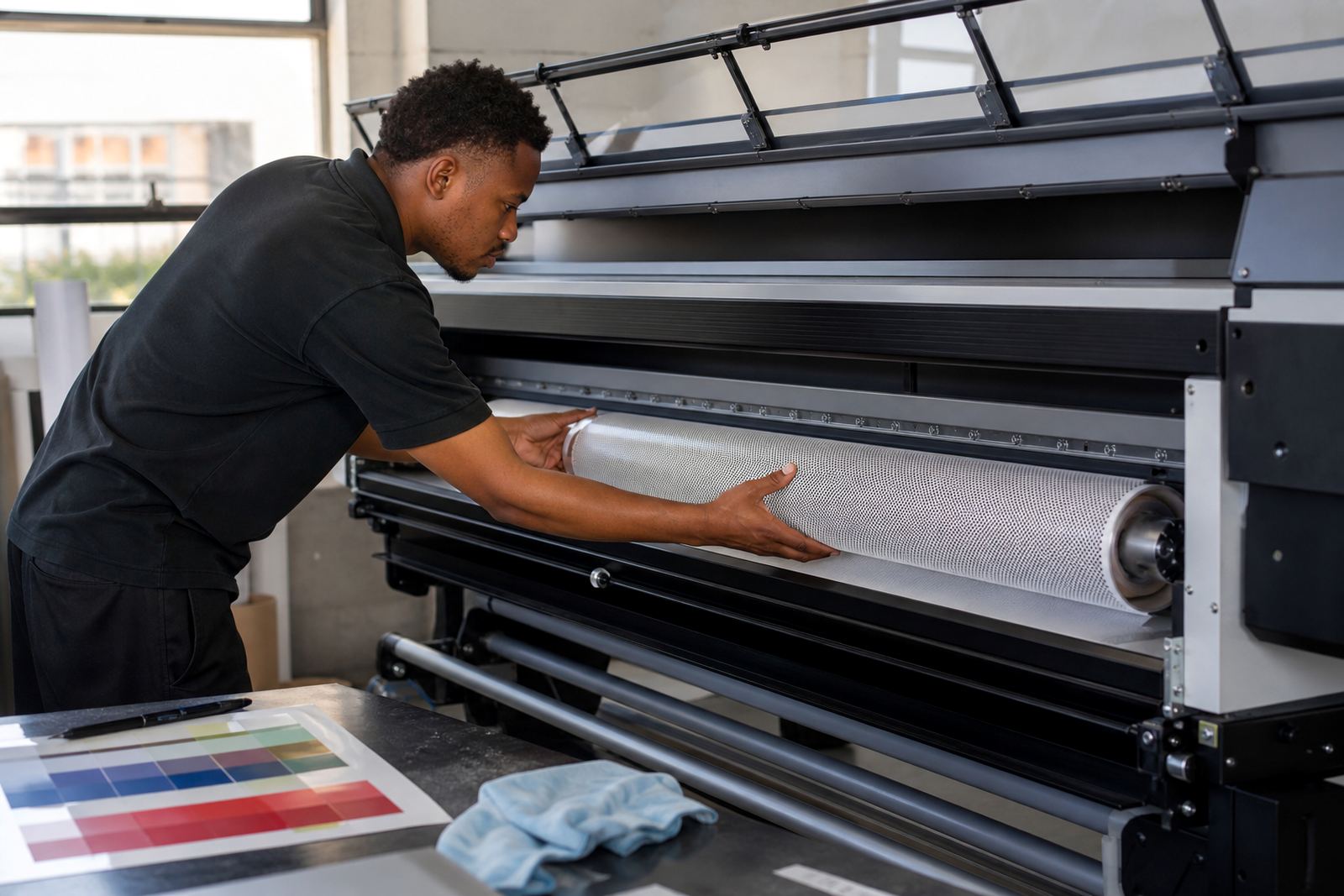
Short term film is supplied in a range of roll widths and cut sizes so it can be matched to the panel dimensions on site. Artwork is usually printed in wide format, then trimmed and prepared for installation. For shopfront runs, large panels are often split into manageable sections to suit the glass and to keep joins neat. For vehicle work, templating is used so window shapes, handles and trims are allowed for accurately.
- Roll widths and panel sizes matched to the job
- Printed full colour graphics with optional white areas where needed
- Optional protective lamination for improved scuff resistance and easier cleaning
- Edge trimming and panel labelling for faster installation
Lamination is worth considering when the film will face regular handling, dust or repeated cleaning. It adds another layer over the print and can help the graphics hold up better during the campaign period. For very short promotions on sheltered glass, lamination may not be necessary, but on busy street frontages it often makes sense.
Installation on glass and vehicle windows
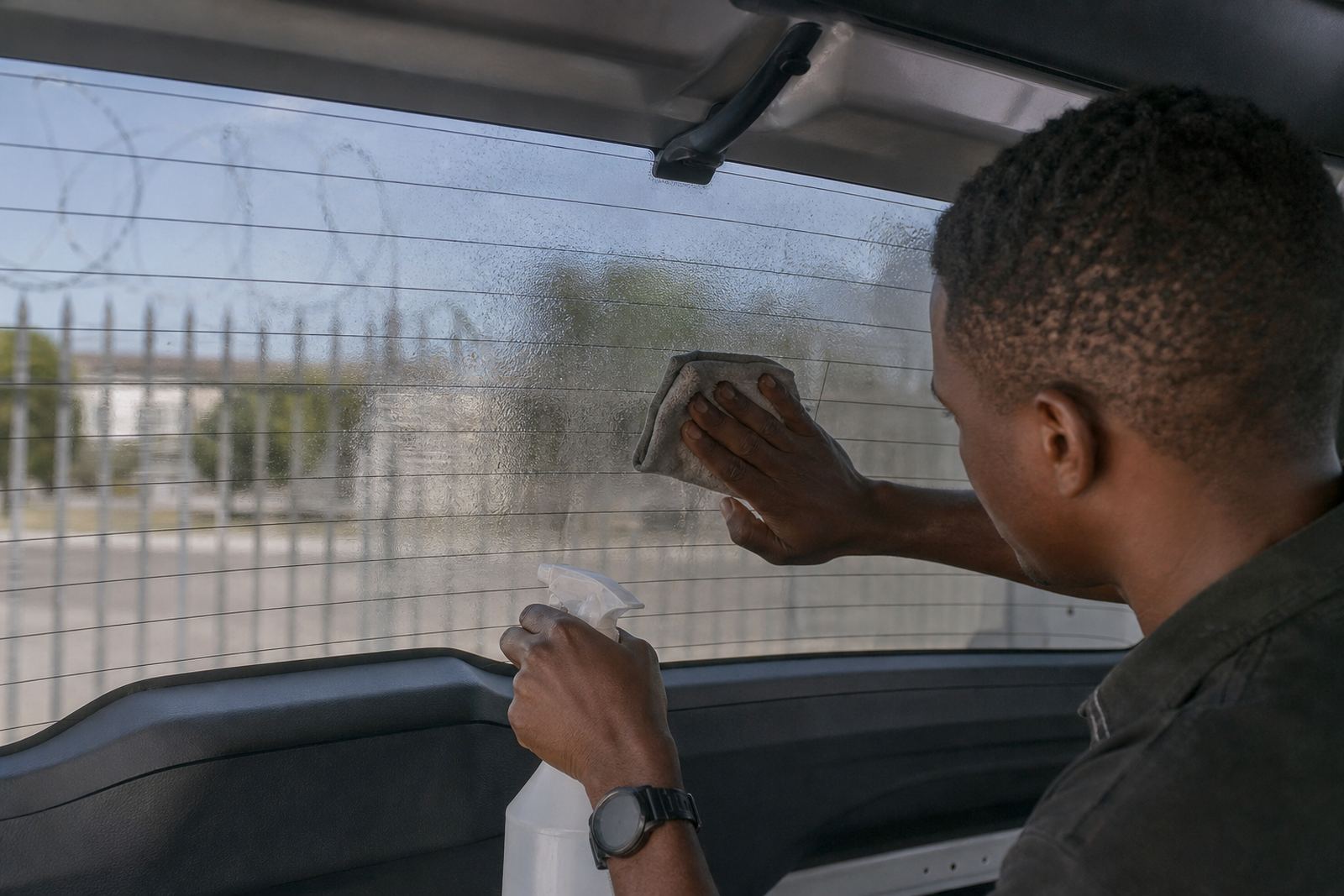
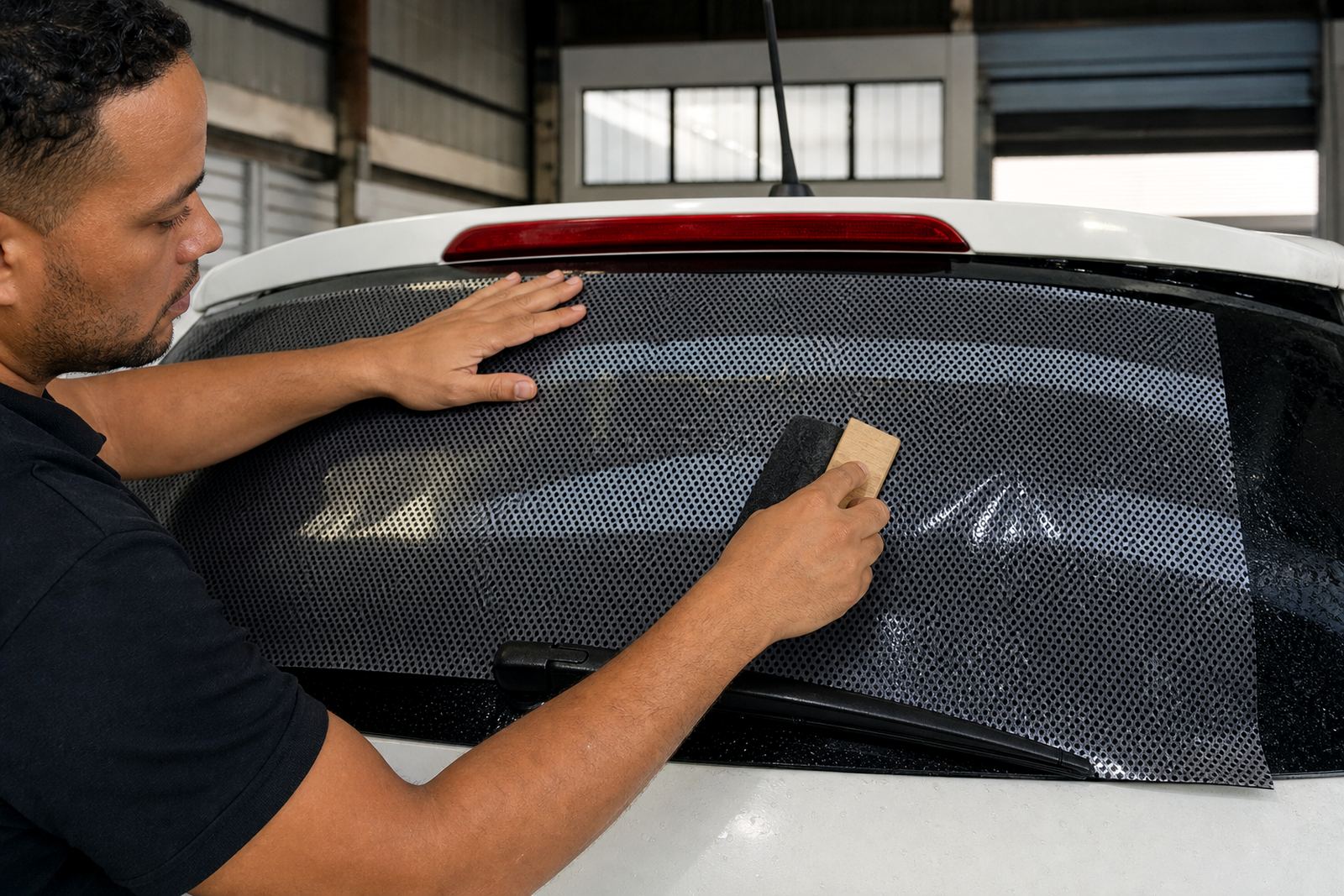
Glass installation starts with proper surface preparation. The panel must be cleaned, degreased and checked for silicone residue, hard water marks and old adhesive. On commercial glass, the fitter will usually work around shop hours and may use ladders, suction handles and spray equipment. On vehicles, the window shape, heating wires and opening mechanisms must all be checked before the film is laid. Good installation avoids trapped air, lifting corners and visible contamination under the print.
The film itself does not need unusual site services, and on-site fitting usually calls for no special arrangements. For preparation, the team may need a standard water supply for cleaning and enough light to work neatly. If the job is at a live store or active depot, it helps to confirm access times, security arrangements and whether the glass area can be cleared for a few hours.
- Confirm if the glass is flat, tinted or heat treated
- Check whether the panel must be fitted inside or outside
- Allow for vehicle defroster lines and legal visibility requirements
- Arrange safe access for ladders or mobile platforms where needed
Care during the campaign period
Short term film is made for practical use, but it still needs careful handling. For the first few days after fitting, it should be left to settle and not scrubbed aggressively. On shopfronts, soft cloth cleaning and mild soap water are usually enough. Avoid sharp blades, abrasive pads and high-pressure washing close to the edges. On vehicles, allow extra care around rear and side windows where dust and road grime build up quickly.
If the campaign runs through windy, hot or dusty conditions, the corners should be checked from time to time. Small edge lifts can usually be caught early and tidied before they spread. In strong sun, a laminated finish can be a practical choice because it helps the printed face stay cleaner for longer and makes removal easier when the promotion ends. That said, no film should be expected to last forever on rough or badly prepared glass.
What to check before ordering
Before ordering, measure each window carefully and note whether the film is for inside or outside application. Check the glass type, whether there are security bars, frosted sections, heating elements or opening panes, and whether the area is exposed to direct weather. For vehicle use, confirm the panel locations and make sure the driver’s field of view stays legal. It also helps to confirm the campaign dates so the sizing, artwork and installation schedule line up properly.
- Exact glass measurements in millimetres or metres
- Application position: inside, outside or vehicle window
- Desired viewing balance between graphics and visibility
- Whether lamination is required for wear and cleaning
- Artwork readiness and colour proof approval
- Site access times and any municipal or landlord rules for exterior glass work
For projects across Cape Town, Johannesburg, Durban, Pretoria and Gqeberha, short term film is often used when the message needs to change fast and the surface must still look tidy. If the campaign ends in a few weeks or months, this option gives you a neat temporary finish without committing to permanent signage.
Key facts
| Product type | Perforated one-way vision film for temporary promotional use |
|---|---|
| Perforation ratios | Commonly 40/60 or 50/50, selected to suit visibility and image coverage |
| Application | Suitable for prepared shopfront glass and selected vehicle windows |
| Print method | Wide format full colour printing on a perforated printable film face |
| Finish options | Optional protective lamination for added scuff resistance and easier cleaning |
| Supply | Cut to size, panelled for installation and dispatched nationwide from Montague Gardens, Cape Town |