What Eco Print Film Is And How It Works
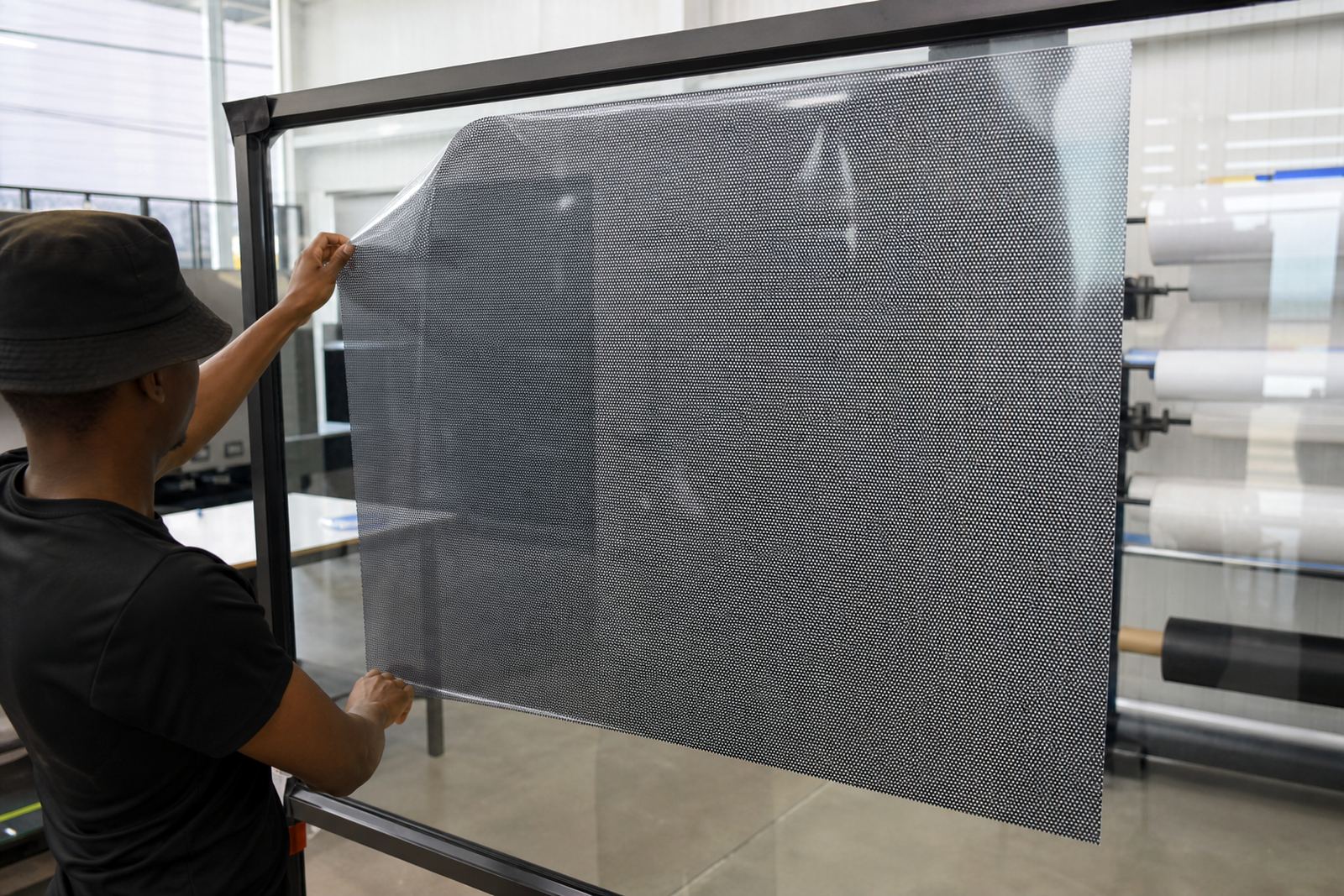
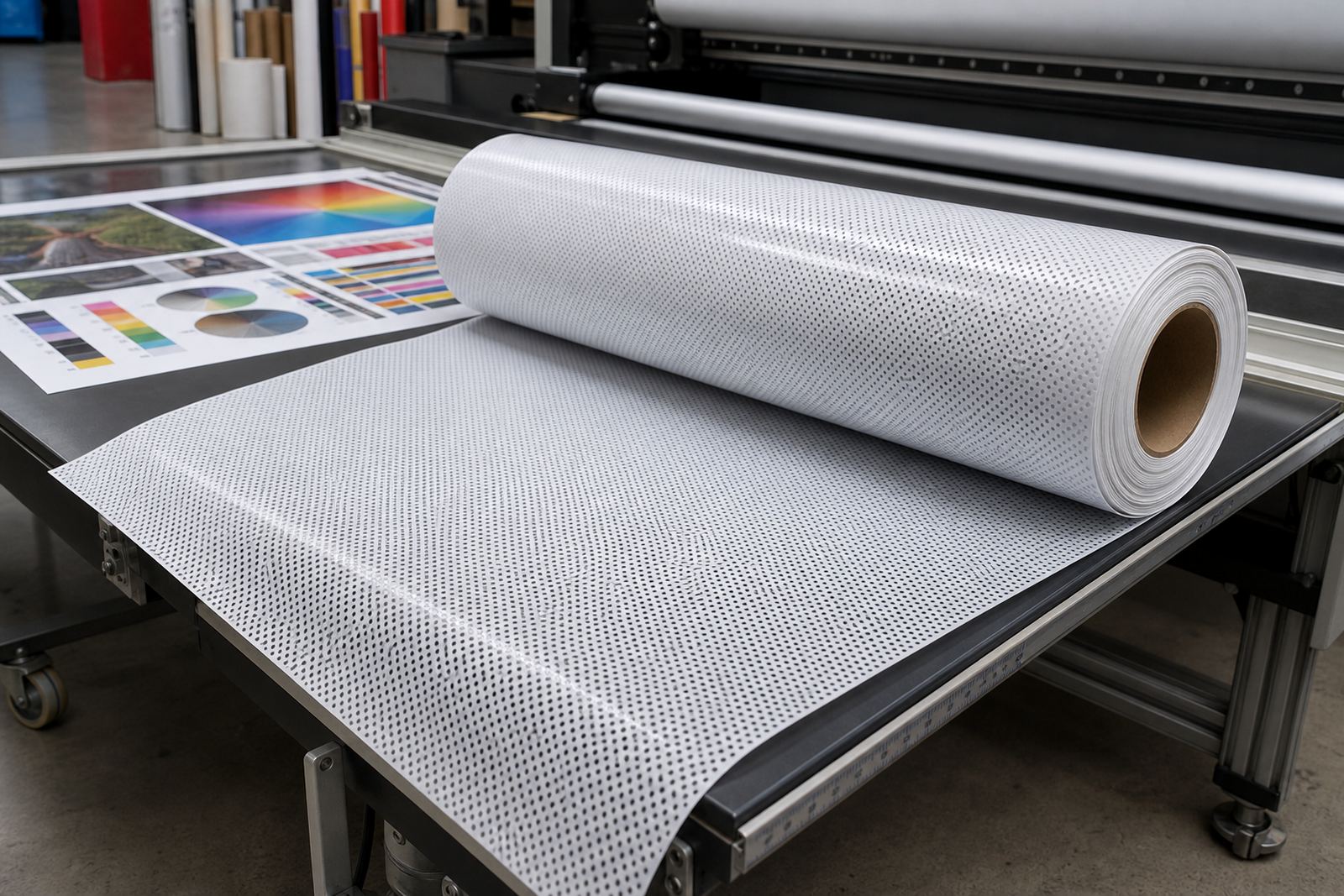
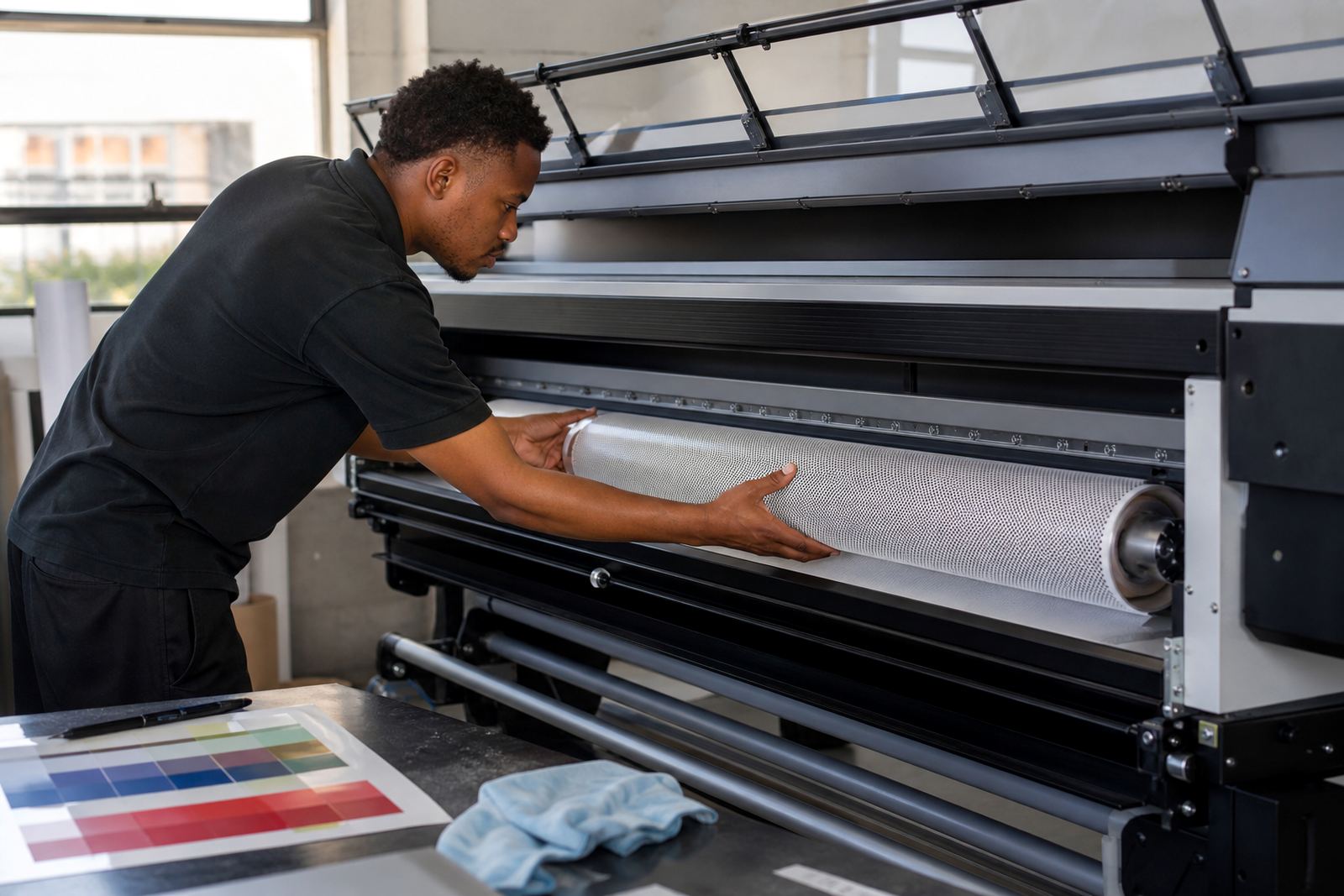
Eco Print Film is a perforated vinyl film with tiny holes across the face, so printed graphics show cleanly on the outside while the inside still has a clear view through the glass. The print sits on the solid face of the film, while the perforations allow light and visibility to pass through. For retail frontages, office glazing and vehicle windows, this gives you a practical way to use glass as signage without blocking the whole opening.
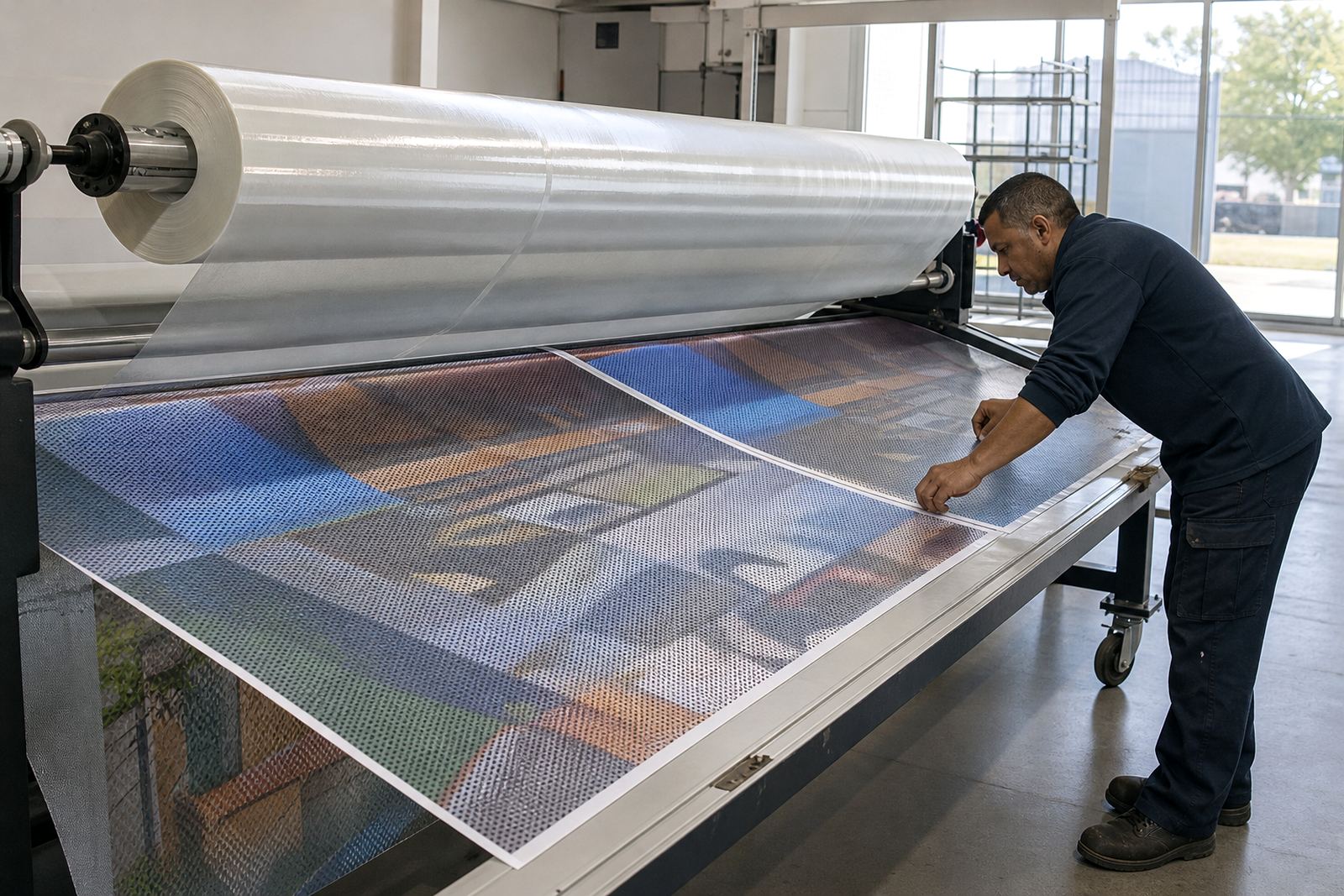
It is commonly supplied as a printable film for eco-solvent style workflows and similar everyday branding production. Depending on the job, the face can be printed full colour, then protected with a matching lamination where needed. That extra layer helps with cleaning, scuff resistance and regular sun exposure, especially on south facing façades or vehicles parked outdoors in Cape Town, Durban or Gqeberha where weather can be hard on graphics.
Based in Montague Gardens, our team includes Marius Ntsele, Ayanda Mbele, Liam Maseko, Noluthando Liebenberg, Ridwaan Hlongwane and Chantel Fortuin, handling measuring, print, fitment and aftercare for projects across South Africa.
Perforation Ratios, Print Sizes And Finish Choices
The right perforation ratio depends on how much outside image density you need, and how much light and inside visibility the client wants to keep. A tighter perforation pattern gives a stronger graphic look from the outside, while a more open pattern improves the view from inside. For most shopfront and fleet work, the choice comes down to the glass size, viewing distance and how much sun hits the surface during the day.
- Common applications include shopfront windows, door glass, back windows on vans, bakkies and service vehicles.
- Typical production is handled from roll stock for long runs or repeated panels.
- Films can be printed for single panels or tiled across larger glass areas.
- Lamination may be added for higher touch areas or where regular washing is expected.
- Edge trimming and panel alignment are important for a clean finish on framed glass and curved vehicle windows.
When ordering, check the glass dimensions carefully and allow for a little extra material around the edges. Small measuring errors can throw out a full pane, especially on older buildings with uneven frames or on vehicle windows that taper at the sides. Site Measuring and Vehicle Templating help avoid costly reprints, and that saves time on the install day.
Where It Suits Retail, Offices And Vehicle Graphics
This film suits businesses that want branding on glass without losing the day to day usefulness of the opening. Retailers use it on shopfronts to promote offers, operating hours and product ranges. Service providers use it on reception glazing, consultation rooms and street facing windows where privacy is useful but the area must still feel open. On vehicles, it works well for rear windows and side windows where permitted, giving a moving advert without changing the bodywork.
It is also useful for seasonal campaigns, new branch launches and refits where the message changes often. Because the material can be removed and replaced, it suits promotions that run for a few months rather than years. For coastal areas, this matters because salt air and strong UV can age poor quality films quickly, so the print and lamination choice need to be matched to the site.
- Shopfronts in busy streets where passersby need to read the message quickly.
- Offices that need privacy on street level glass without heavy frosting.
- Fleet vehicles that park outdoors and travel daily between sites.
- Temporary promotions, leasing signage, and seasonal branding updates.
Installation, Site Conditions And Fitment
Installation is straightforward but it is not a rush job. Glass must be cleaned properly, old adhesive removed, and the surface prepared so the film can bond well. On vehicles, panels need to be templated to suit the window shape and any heating lines, curves or seals. A dry, dust controlled fitment area gives the best result. If the install is happening on site, the glass area should be accessible and the team should have space to work safely.
For production, wide format printing and film lamination need a steady setup, while the fitting area should allow clean handling and accurate finishing. If your site has limited access or tight working space, it is better to plan the print and fitment in phases rather than forcing everything into one day.
Vehicle window film must keep the driver view legal, and clients should check the current road traffic rules before ordering. That is especially important for front side windows, rear visibility and any vehicle used on public roads. For shopfront glazing, local municipal requirements and building rules may also affect what can be displayed, how much glass coverage is allowed, and whether any safety film or exit visibility is needed.
Care, Cleaning And When To Replace It
Once installed, Eco Print Film needs regular but gentle care. Use a soft cloth or sponge with mild soapy water, then wipe dry without abrasive pads or harsh chemicals. Pressure washing too close to the edge can lift corners, and sharp tools near the surface can scratch the print. On vehicles, avoid scraping frost off the film in winter. On shopfronts, keep an eye on signage edges near security gates, handles and daily traffic where damage often starts.
If the graphic is fading, peeling, lifting at the edges or no longer matches current branding, it is better to remove and replace it cleanly. Old Film Removal and Refit And Refresh services are useful when a branch changes promos, a fleet gets updated, or a new tenancy takes over a glass frontage. A tidy removal matters just as much as the new install, otherwise residue and glue marks show through the new print.
- Do not use ammonia heavy cleaners.
- Keep edges free from tape, dirt and standing water.
- Check after the first few days for any lifting at corners.
- Replace damaged panels before the tears spread across the perforations.
What To Check Before You Order
Before ordering, measure the glass carefully and confirm whether you need inside viewing, outside branding or both. Decide if the film will be used on a flat pane, a curved vehicle window or a mixed set of panels across several branches. If the artwork is changing often, keep the design simple and readable from a distance. Colour proofing is helpful when the brand colours must stay consistent across Cape Town, Johannesburg, Durban, Pretoria and Gqeberha.
It also helps to confirm the following: film size, perforation ratio, whether lamination is required, installation location, expected sun exposure, and whether old graphics need removal first. If the order is for multiple branches, it is worth grouping the panels for nationwide dispatch so the rollout stays consistent. The team at Montague Gardens can handle the practical side through the enquiry form on the contact page, from artwork setup right through to final fitment. That way the job is measured right the first time and the finish looks proper, not patched together.
Key facts
| Material | Printable perforated one-way vision film for glass and vehicle windows |
|---|---|
| Print method | Suitable for eco-solvent style wide format printing workflows |
| Perforation options | Available in different hole patterns for privacy and viewing balance |
| Finish options | Can be supplied printed only or with protective lamination |
| Application surfaces | Shopfront glass, office glazing, doors, rear vehicle windows and side glass where permitted |
| Service coverage | Montague Gardens base with supply to Cape Town, Johannesburg, Durban, Pretoria and Gqeberha |