What optical laminate does on perforated film
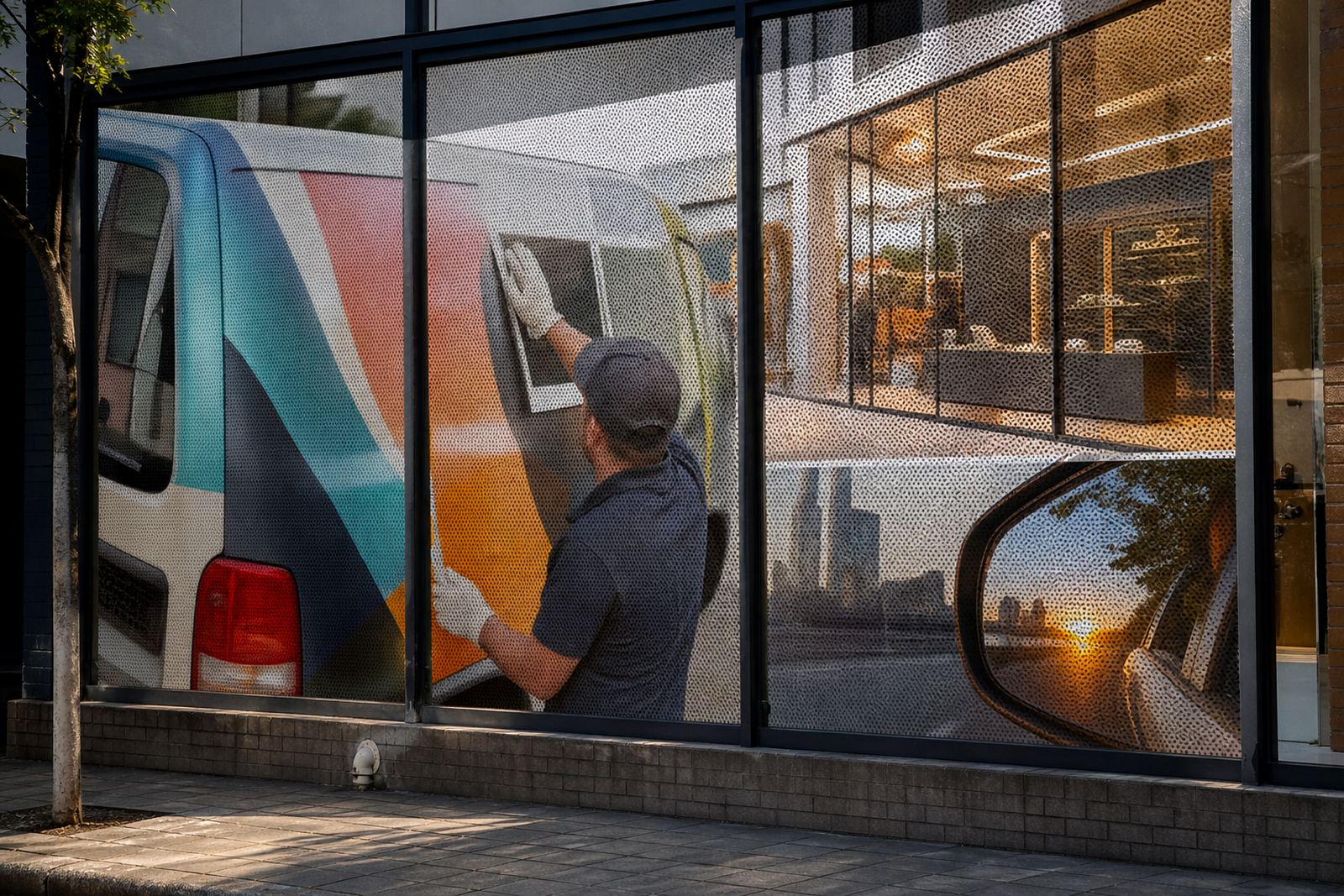
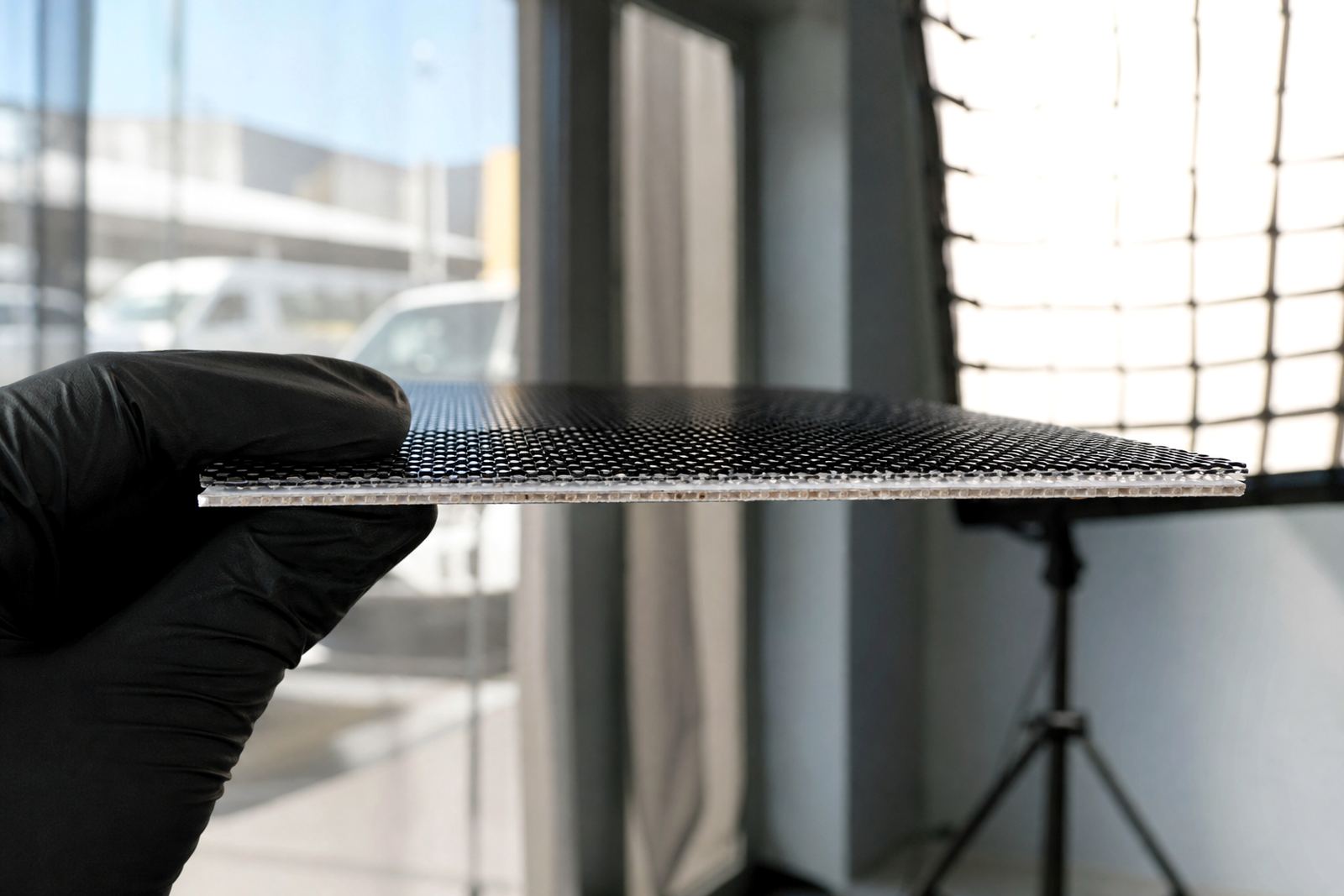
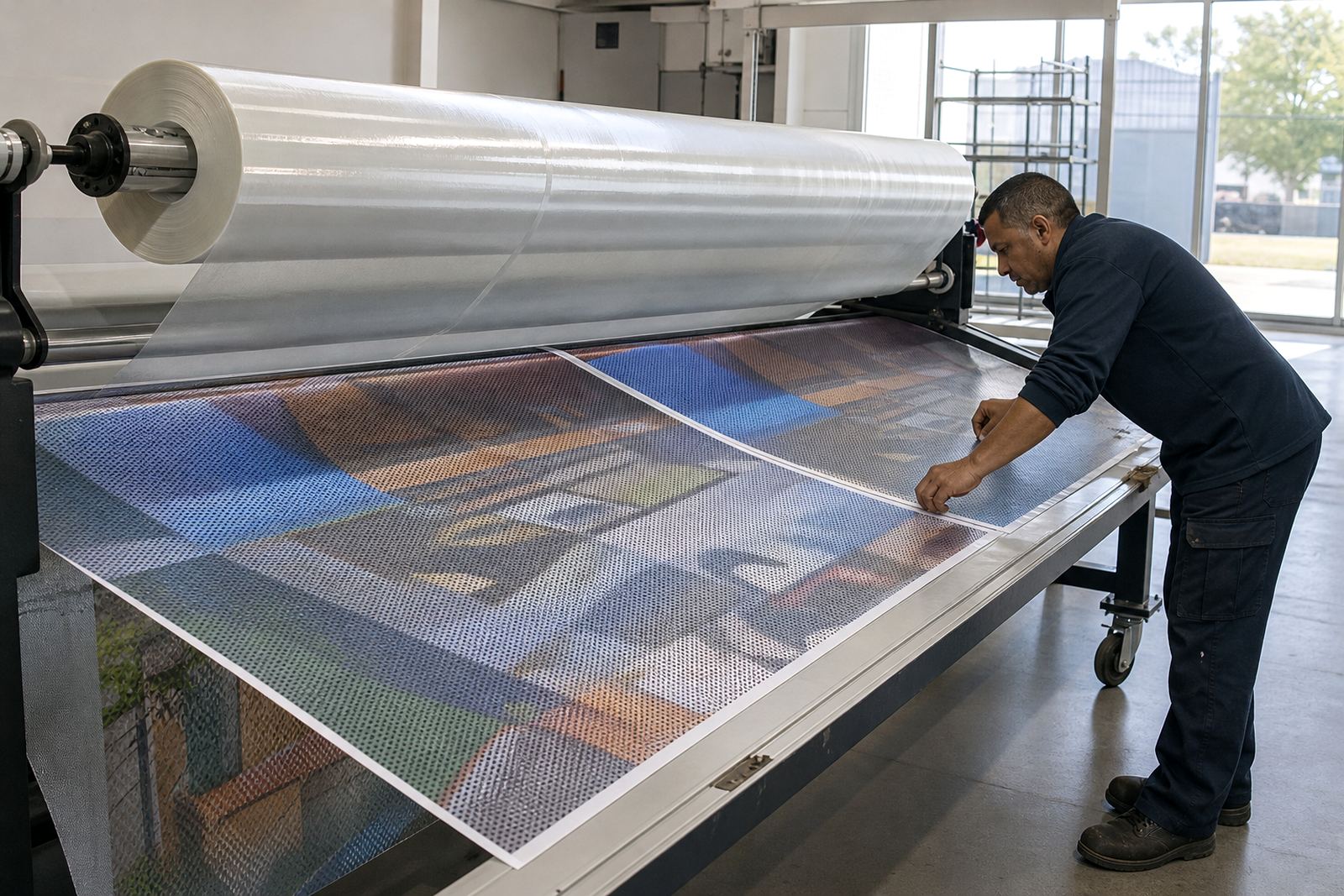
This film has small perforations across the material, allowing people inside to keep a view out while the printed outer face carries the message. A clear optical laminate sits over the print to help hold the ink, reduce surface wear, and keep the hole edges clean. On correctly matched film systems, the laminate should not block the perforations or make the window look cloudy from the inside.
This type of laminate is used where graphics need to cope with sunlight, rain, finger marks, frequent washing, and the movement that comes with vehicle glass. For shopfronts in Cape Town, Johannesburg, Durban, Pretoria and Gqeberha, it is often the difference between a graphic that stays tidy for months and one that starts to lift or dull too soon. On vehicles, it also helps the printed surface stand up to road dust, coastal humidity and regular wiping.
Sizes, finishes and film build options
Optical laminate is usually supplied in rolls for wide format application and can be specified to suit different perforation ratios and print systems. Common roll widths depend on the job, but are generally used for panel work on glass and full side windows on vehicles. The finish is normally clear gloss, since a matte surface can reduce clarity and make the print appear muted.
When ordering, it helps to match the laminate to the hole size and open area of the base film. Typical perforated products use ratios such as 60/40 or 70/30, where the first figure refers to print area and the second to open area. The laminate must remain clear enough not to seal the perforations over, and it should be suitable for either indoor glass mounting or external vehicle-facing use depending on the job.
- Clear gloss finish for visual clarity
- Roll supply for large panels and repeated applications
- Matched to common perforation ratios such as 60/40 and 70/30
- Suitable for printed graphics on glass and vehicle windows
Where it suits best in retail and fleet work
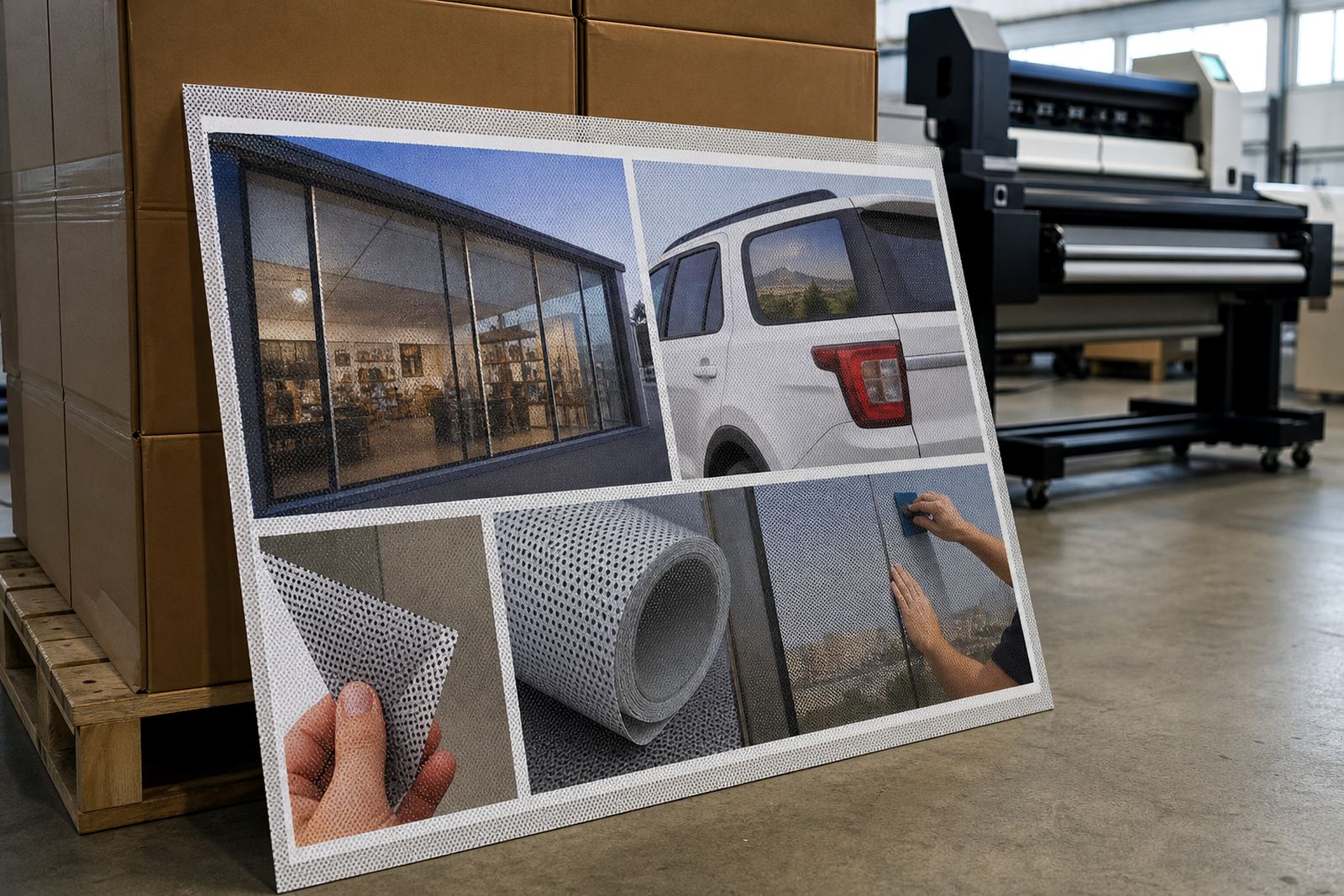
This product suits shopfront windows, office glass, service counters, showroom fronts and vehicle rear side windows. In retail settings, it works well where a business wants daylight in the space but also wants privacy, branding or promotional graphics on the outside face. On vehicles, it is useful for bakkies, vans and service fleets that carry contact details, service areas or branded artwork.
For vehicles, the installation must keep the driver view legal. That means the film and laminate combination should be checked against current road traffic rules before fitting, especially on front side windows and any glass that affects driving vision. If a customer is unsure, the safe approach is to use the product on approved rear windows only or to confirm current requirements before print and fitting begin. Better to check first than have to strip it later.
- Retail shopfronts and glass doors
- Office partitions and reception glass
- Fleet branding on rear side and rear windows
- Temporary promotions and seasonal campaigns
Installation, Site Readiness And Access
Installation starts with proper surface preparation. Glass must be cleaned thoroughly and any dust, grease, silicone or old adhesive removed before the laminate goes down. On shopfronts, installers need dry weather where possible and enough working space inside and outside the glass line. On vehicles, the window curves, seals and heating lines have to be checked first so the film lays flat and does not trap air.
- Clean glass and remove old film before fitting
- Allow enough drying time after printing
- Check weather, dust and wind for external shopfront work
- Confirm safe access to the work area and room for the fitting tools
Care, servicing and when to replace it
Once fitted, optical laminate should be cleaned with a soft cloth, clean water and a mild non abrasive cleaner. Strong solvents, rough pads and high pressure washing too close to edges can lift corners or mark the surface. On shopfronts near busy roads or coastal areas, regular inspection helps catch small edge lifts before they spread. On vehicles, frequent contact with bags, tools and window mechanisms can wear the film faster than expected.
If the printed face is faded, scratched or the perforations have become blocked by dirt or ageing adhesive, it may be time for a refresh. Old film removal should be handled carefully so the glass or vehicle window is not damaged. Refit and refresh work is common for seasonal promotions, fleet changes and older shopfront graphics that need a cleaner look.
What to confirm before ordering
Before ordering, it helps to confirm the perforation ratio, print size, window dimensions and whether the graphic is for interior glass or exterior facing vehicle use. The team should also know if the window has tint, heating lines, curves, vents or existing adhesive residue. These details affect artwork setup, panel layout and the type of lamination chosen.
Useful checks include the location of the installation, whether the film must be dispatch ready to another branch or fitted on site, and whether vehicle templating is needed first. For businesses across Montague Gardens, Bellville, Milnerton, Cape Town, Johannesburg, Durban, Pretoria and Gqeberha, getting the measurements right upfront saves time and helps the final result sit neatly on the glass.
- Window type and exact dimensions
- Perforation ratio required for the graphic
- Whether the job is for shopfront glass or vehicle windows
- Need for measuring, templating, lamination or removal of old film
- Legal visibility requirements for vehicle driver windows
Key facts
| Product type | Clear optical laminate for printed perforated one-way vision film |
|---|---|
| Finish | Clear gloss |
| Compatibility | Suitable for perforated window film on glass and vehicle windows |
| Perforation support | Designed to preserve hole definition and outward visibility |
| Typical use | Retail shopfronts, office glass, fleet branding and promotional windows |
| Application | Wet or dry application depending on site conditions and installer preference |