What anti graffiti laminate does on printed film
This product is a clear protective overlaminate applied over printed perforated one way vision film or other printed graphics that sit on glass. Its main job is to give the exposed print face a harder, smoother layer so dirt, paint transfer, adhesive residue and everyday handling marks are easier to remove. On busy shopfronts in Cape Town, Johannesburg or Durban, that can make a real difference where windows face road spray, coastal salt or constant foot traffic.
It is not a miracle shield, but it does add a practical layer between the print and the outside world. That means less wear from frequent wiping, better resistance to light scuffing, and easier maintenance for sites that need their windows looking clean without repeated reprints. On vehicle windows, it is used where the film is installed correctly and the printed face needs extra protection from wash chemicals and general grime, especially on fleet vehicles that work every day.
- Clear overlaminate for printed window graphics
- Helps with cleaning and surface protection
- Suitable for shopfront glass and selected vehicle window applications
- Used with perforated one way vision film or similar print media
Sizes, finishes and build options
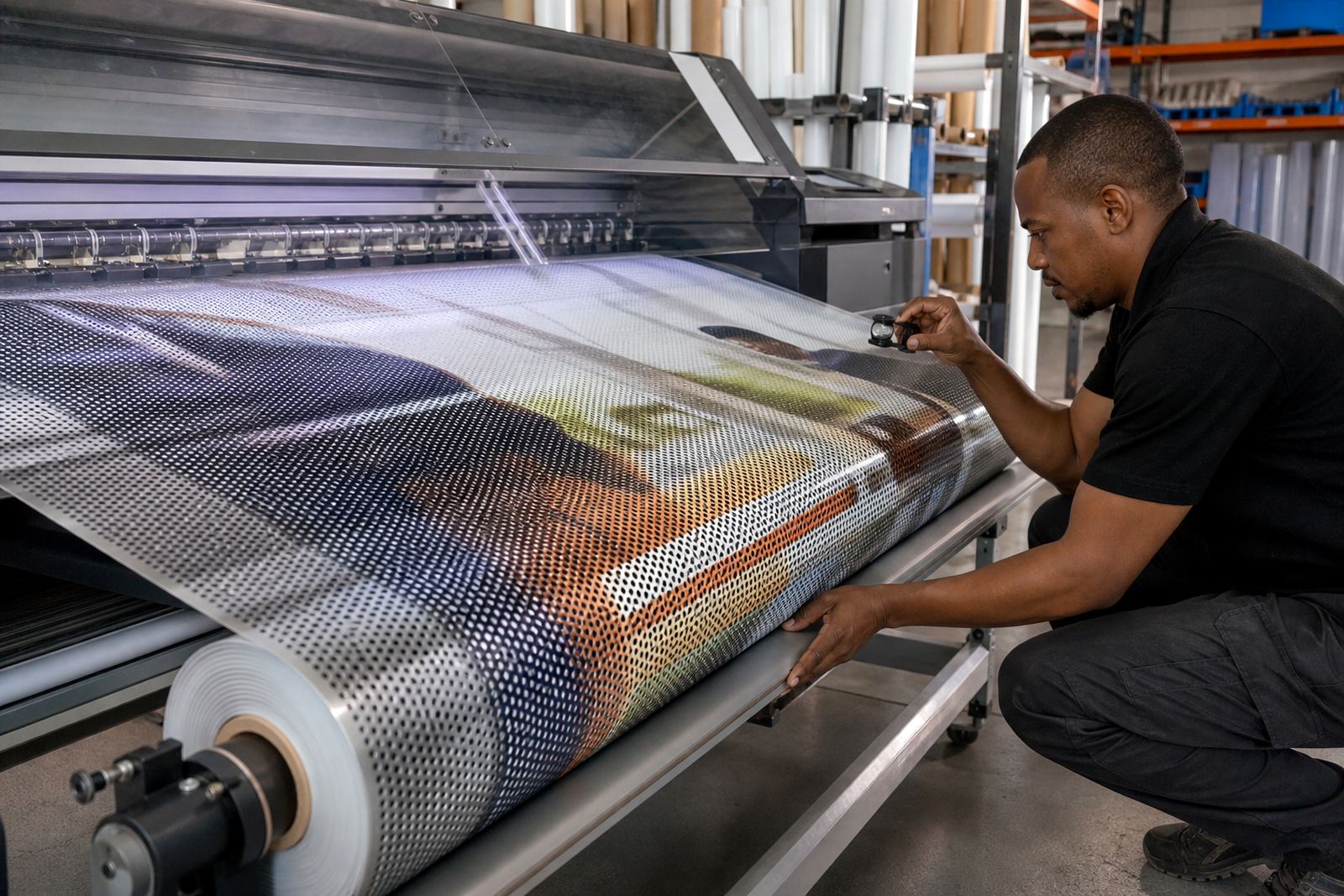
Anti graffiti laminate is normally supplied in roll form for wide format work and is matched to the printed film width, the panel layout and the installation method. For perforated one way vision window film, the lamination choice has to suit the print process and the hole pattern, so the final finish remains readable from outside while still allowing inward visibility from the perforated side. Standard options are usually gloss or matt depending on the look required and the viewing conditions at the site.
When ordering, it helps to specify the intended use upfront. A retail window in Bellville may need a cleaner gloss finish to keep colours strong, while a customer service counter or showroom partition might suit a softer matt surface if light reflection is an issue. For vehicles, the film and laminate must work together with curved glass, door frames and edge sealing, otherwise the finish can lift sooner than it should. A bit of planning at artwork stage saves trouble later.
- Roll supply for wide format printing and finishing
- Matched to perforated or solid printed film
- Gloss and matt finish options
- Configured for flat glass, framed glass and selected vehicle windows
Where this overlaminate suits best
This product suits high-touch locations and exposed glass where the printed face needs regular cleaning. That includes shopfronts on busy roads, malls with strong sunlight, service counters near doors, vehicle rear windows, delivery vehicles and company cars that spend long hours in traffic. It is also useful where municipal by-laws or landlord rules require a neat, maintained appearance and you want the print to stay looking decent for longer.
In coastal areas like Gqeberha and parts of Durban, moisture and salt can make prints look tired quickly if they are not protected properly. Inland sites deal more with dust, traffic film and dry wiping marks. A tougher overlaminate helps in both cases because the surface is less likely to trap grime in the print face. It can also be used on refit and refresh jobs where old graphics are being replaced and the surface needs a cleaner finish before the new film goes up.
- Retail shopfronts
- Vehicle rear and side windows where legal visibility requirements are met
- Glass doors, partitions and service windows
- Sites with frequent cleaning or public contact
Installation at glass and vehicle sites
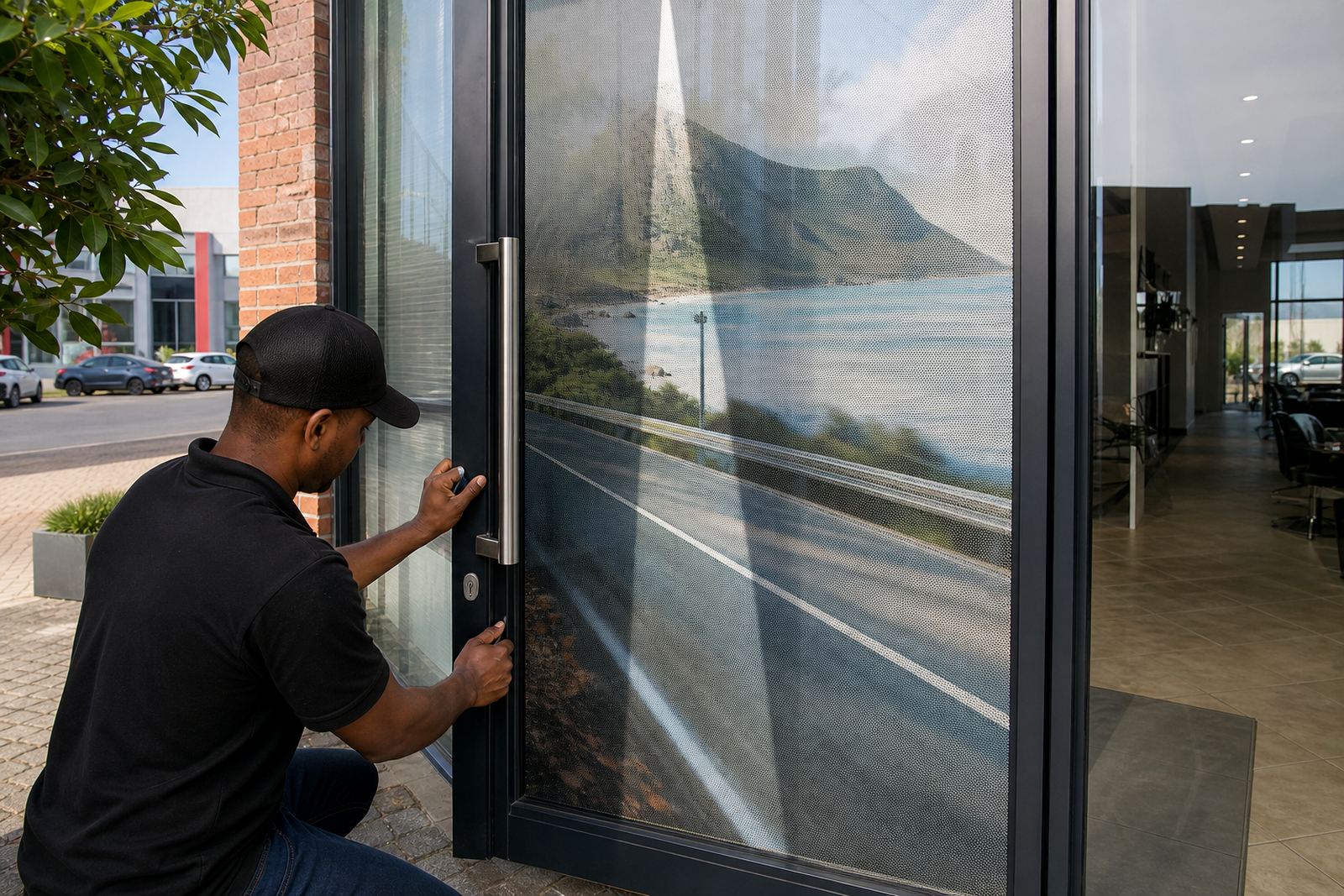
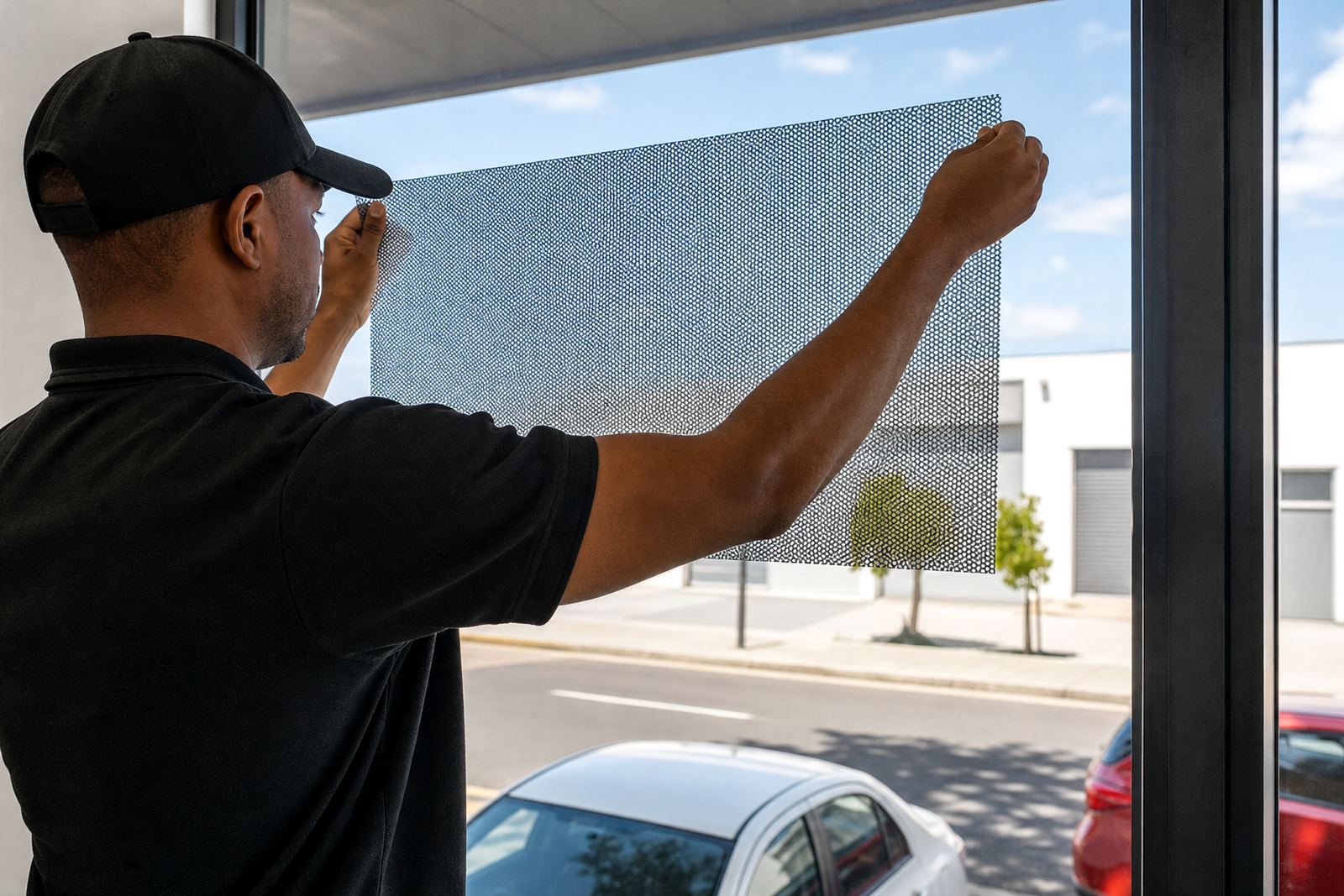
Installation is done after print curing and surface preparation. The glass must be clean, dry and free of silicone, dust and wax. On shopfronts, that often means careful cleaning of the edges, trims and any old adhesive before the new film is applied. On vehicles, installers also check curvature, rubber seals and window movement so the film settles correctly and does not snag when windows are opened. If the job is rushed, edges lift and dirt gets in, simple as that.
Some sites need measuring and a colour proof before production, especially where the design crosses several panes or must match existing branding. For vehicle work, templating helps because rear glass differs from one model to the next. Installation itself needs clean access, a level work area and, at times, shade.
- Clean, dry glass is essential
- Old film and residue should be removed before fitting
- Vehicle windows may need templating for accurate panel fit
- Printing and lamination happen before on site installation
Care, cleaning and servicing between refreshes
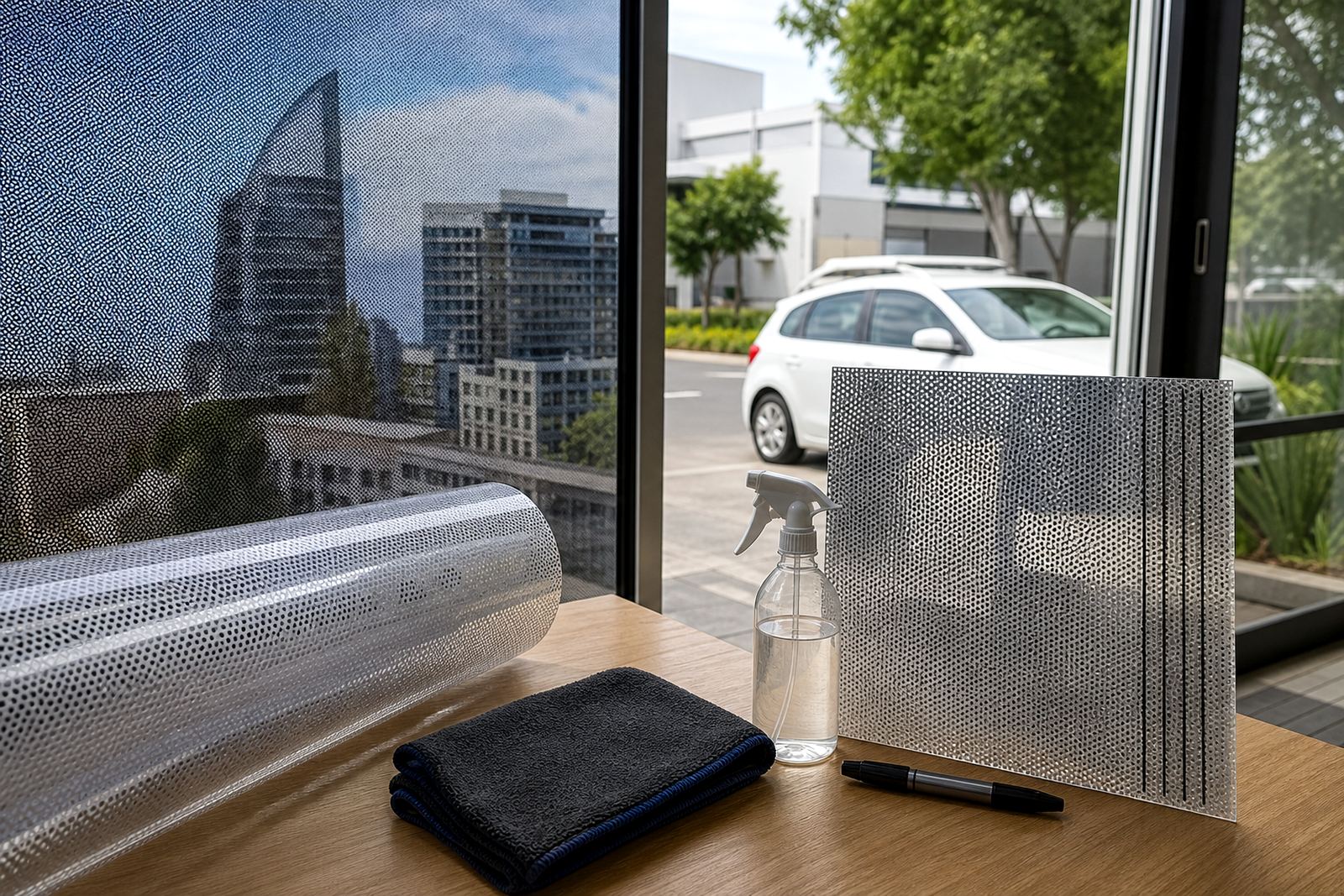
Once fitted, anti graffiti laminate should be cleaned with a soft cloth, mild soap and clean water. Avoid abrasive pads, harsh solvents and aggressive scraping because those can cloud the surface or shorten its service life. If the printed face picks up sticky residue, it is better to loosen it gently and wash it off rather than attacking it with a sharp blade. A small bit of patient cleaning goes a long way.
For shops that trade in dusty areas or near busy roads, a light maintenance routine every week or two keeps the windows presentable. Vehicle graphics may need more regular washing if the vehicle is used daily, especially in summer when dust and road film build up fast. If a panel starts lifting, scratches deeply or the print is damaged, it is usually best to replace that section rather than trying to patch it on site. That keeps the finish neater and avoids rework later.
- Use soft cloths and mild cleaning solution
- Avoid abrasives, blades and strong solvents
- Check edges after washing vehicles or high pressure cleaning
- Replace damaged sections rather than patching rough areas
What to confirm before you order
Before ordering, confirm whether the film will be used on shopfront glass, internal glazing or vehicle windows. If it is for a vehicle, the driver’s view must remain legal and you should check the current road traffic rules before installation. The print layout should allow for the perforation ratio, window size and sight lines, especially on rear glass. Not every graphic works well on every window, so the panel layout needs proper thought.
It also helps to confirm the following: the exact glass measurements, whether old film must be removed, whether the surface is flat or curved, the expected weather exposure and whether lamination is needed for extra cleaning resistance. If the site is in a coastal town or a busy urban area, say so upfront because that can affect the material choice and the way edges are finished. OneWayVision supplies across Cape Town, Johannesburg, Durban, Pretoria and Gqeberha from Montague Gardens, with support for measuring, artwork setup, printing, lamination, installation and dispatch.
- Measure the glass accurately before print setup
- Confirm perforation ratio and viewing direction
- Check legal visibility for vehicle windows
- State if old film removal or refit work is needed
Key facts
| Product type | Clear protective overlaminate for printed window graphics |
|---|---|
| Typical use | Anti graffiti protection for shopfronts and vehicle windows |
| Finish options | Gloss or matt, depending on the application |
| Compatibility | Printed perforated one way vision film and similar print media |
| Application surfaces | Clean glass, framed glass and selected vehicle glazing |
| Service areas | Montague Gardens, Cape Town, Johannesburg, Durban, Pretoria and Gqeberha |