What Plain Dot Film Is And How It Works
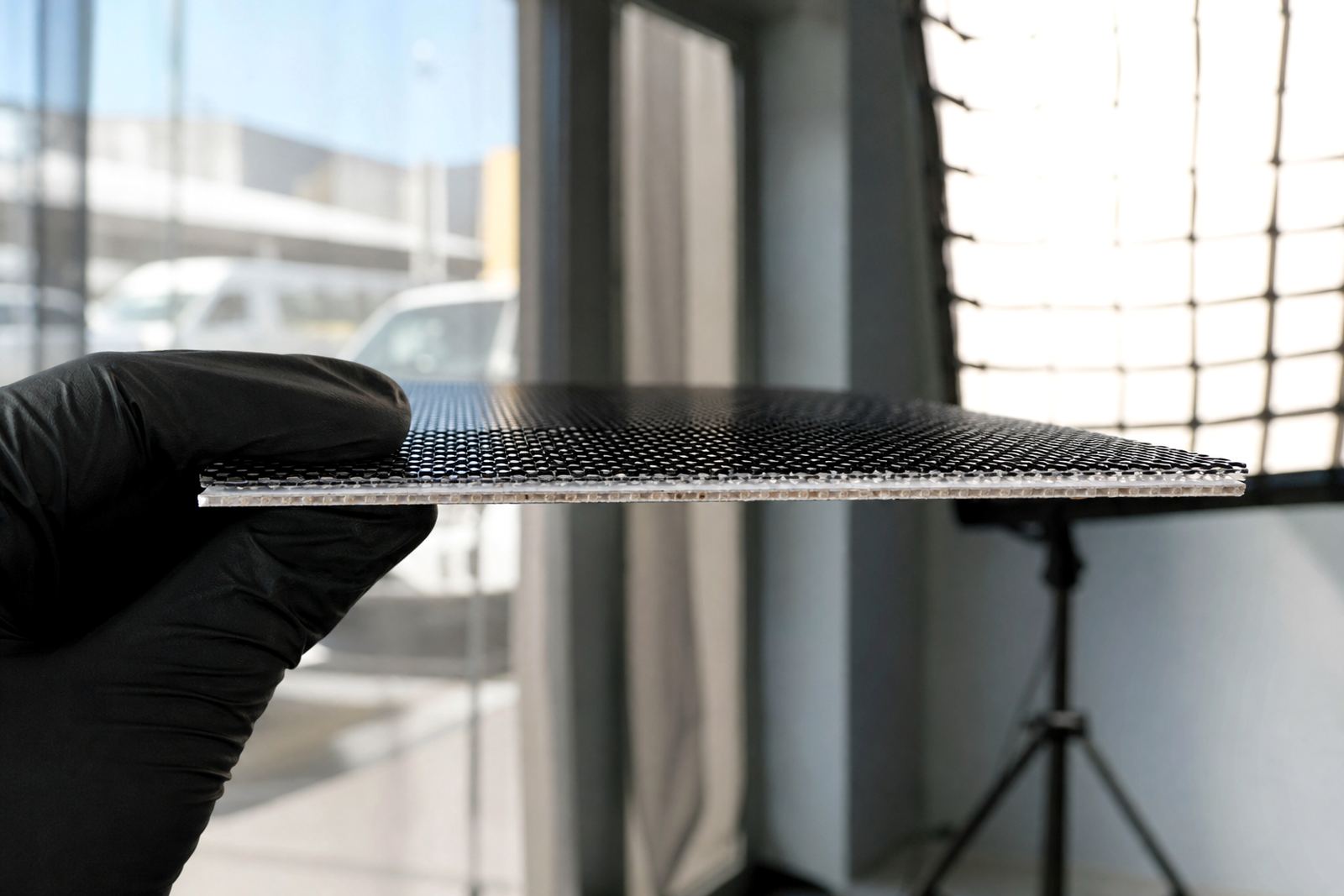
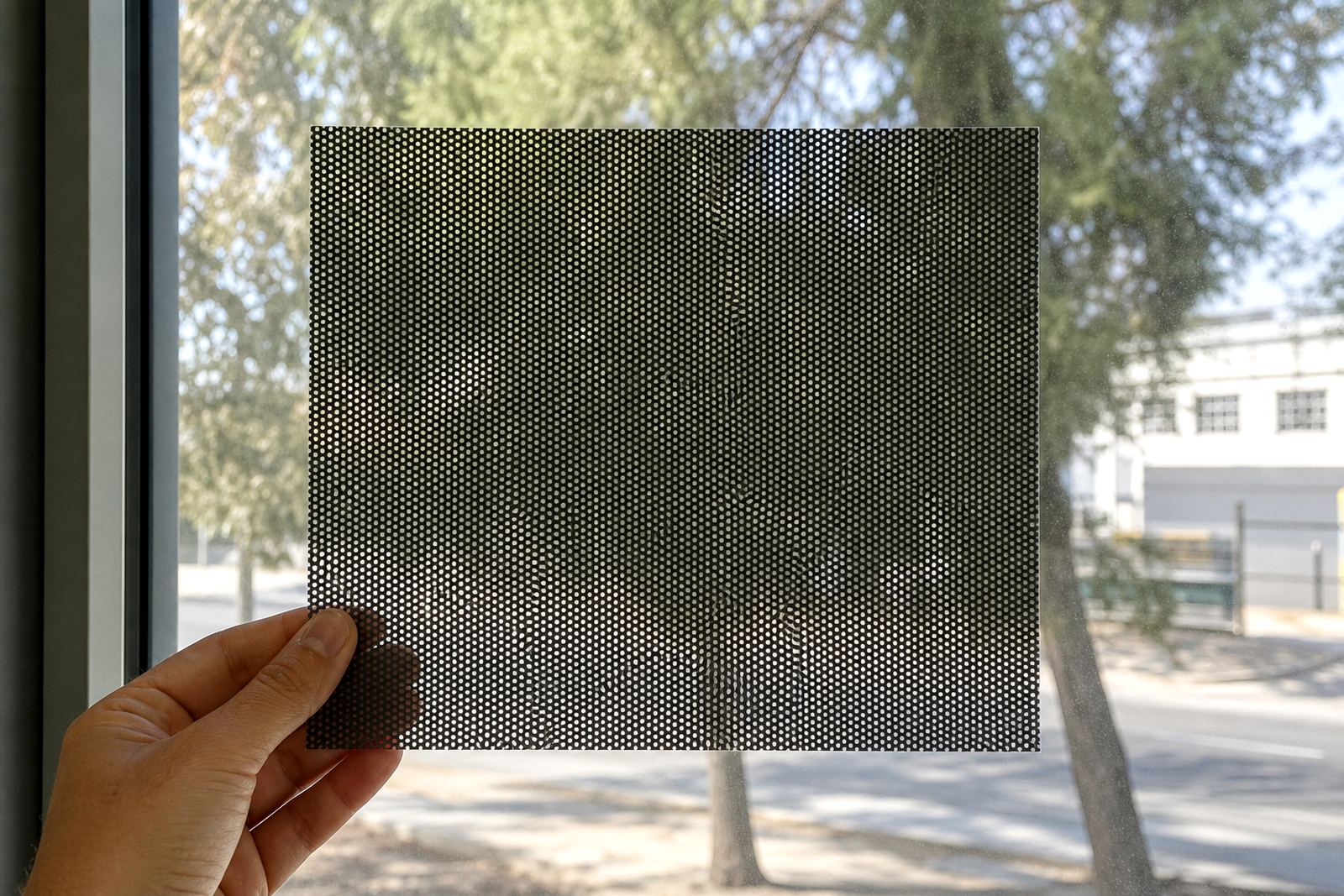
Plain Dot Film is a perforated one-way vision film with a regular dot pattern rather than printed artwork. The small perforations reduce direct sight through the glass from one side while still allowing filtered outward visibility from the inside during the day. It is commonly used where a business wants privacy, a bit of solar screening and a neat appearance without adding colour or branding to the surface.
The film is typically manufactured as a printable PVC face with a black adhesive backing and release liner. The perforation ratio, hole size and open area determine how much light comes through and how much privacy you get. A tighter ratio gives more coverage and less visible open area, while a more open ratio allows better internal visibility. For glass that faces strong sun or street activity, the right ratio matters as much as the adhesive choice.
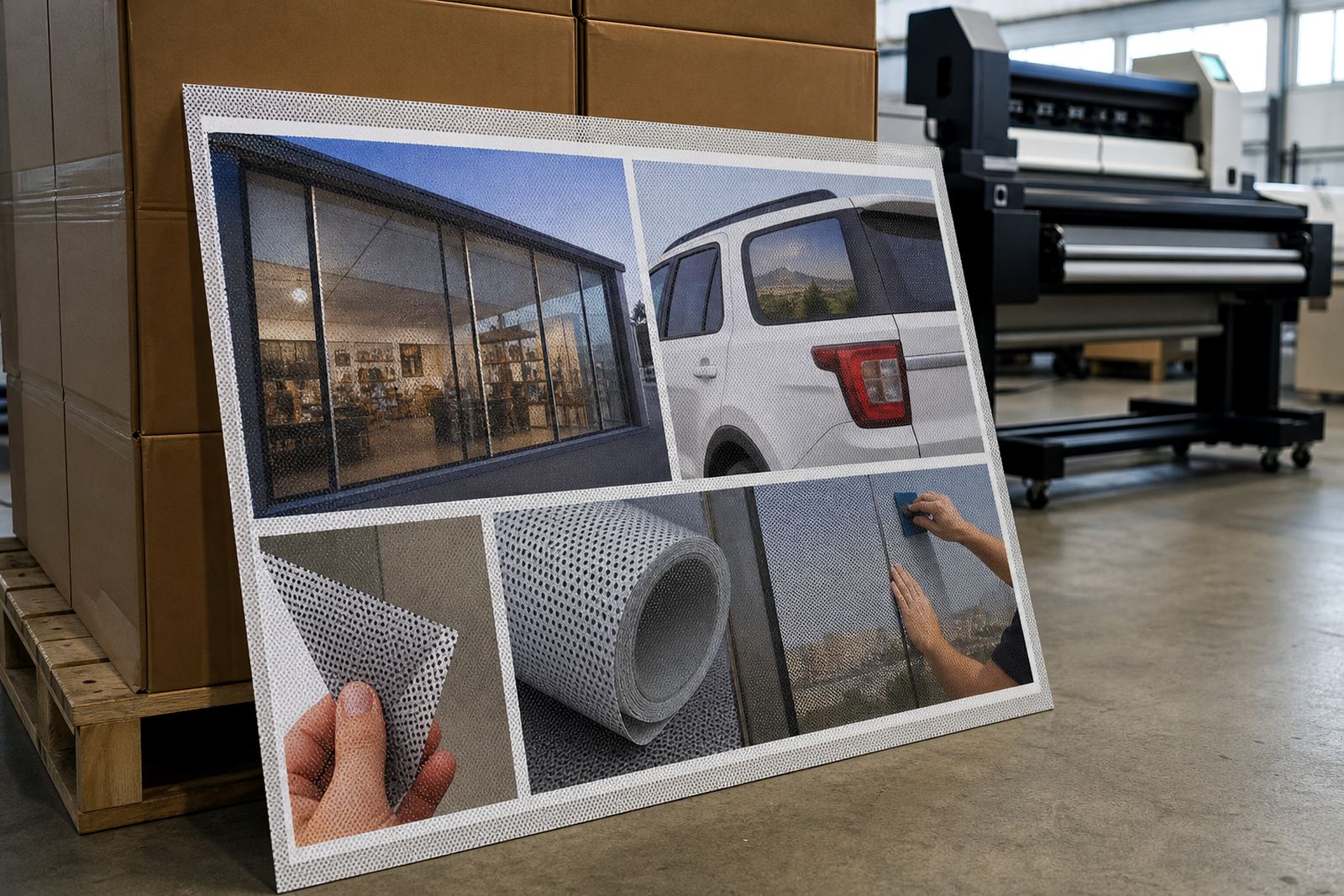
Because this is a plain dot product, it is well suited to glazing that needs a low-key treatment. It can be used as a full panel, a strip across a window, or a repeated band on larger glass sections. In many cases it is chosen for reception areas, retail frontages and vehicle side windows where the owner wants a cleaner outside look and a clearer internal view than an opaque film would allow.
Sizes, Perforation Options And Finish Choices
Plain Dot Film is supplied in roll format and can be cut to suit the glass size on site or in production. Standard widths vary by batch and project need, so the practical approach is to measure the exact opening before ordering. On shopfronts, a full height panel may be easier to fit in sections if the glass is unusually wide or if there are door rails, handles or safety markings to work around.
Common specification choices include the perforation ratio, film thickness and whether the face needs lamination. Lamination is often used when the film will be handled often, cleaned regularly or exposed to harsh weather. It can also help reduce dirt build-up on the printed face if a graphic version is later used on the same type of window system. For plain dot film, lamination is usually about added surface protection rather than image protection.
- Perforation ratio: selected for privacy, internal visibility and solar screening
- Film thickness: chosen for ease of handling and surface durability
- Adhesive type: suited to glass, framed glazing and vehicle windows
- Finish: plain dot appearance with no printed artwork
- Application format: full panel, strip, segmented section or cut-to-size
For vehicle windows, the size and position must be planned carefully. Rear side windows and rear glass are common areas for perforated film, but the driver view must remain legal. Always check current road traffic rules before fitting any film to a vehicle, because allowed coverage can differ by window position and by the way the vehicle is used.
Where Plain Dot Film Suits Best
This product works well on glass where you want a quieter finish than printed graphics. It suits shopfronts in Cape Town, Johannesburg, Durban, Pretoria and Gqeberha, especially where there is foot traffic, afternoon sun or a need to reduce inside visibility after hours. It is also useful for internal glass divisions in offices, training rooms, storerooms and service counters where direct sight lines can be distracting.
On vehicles, plain dot film is often used for temporary privacy, equipment security or a cleaner rear side window treatment. It can help reduce glare and soften the view into the vehicle while still allowing the driver and passengers to see out. It is not a substitute for legal tint compliance, and it should be selected with the window position and local regulations in mind.
Because Montague Gardens sits close to busy freight routes and coastal air, many customers ask for a film that can handle dust, salt and repeated cleaning. A quality perforated film installed properly will stand up better to these conditions than a loose or badly cut application. The same applies in high sun areas inland, where heat and UV can test the adhesive and edges if the prep is poor.
- Shopfront glazing and entrance panels
- Office partitions and internal glass sections
- Vehicle rear side windows and rear glass
- Retail screens, service counters and display areas
- Temporary privacy for promotions or seasonal changes
Installation, Prep Work And Site Requirements
Good installation starts with proper surface preparation. Glass must be cleaned thoroughly, de-greased and checked for chips, silicone residue and old adhesive. On vehicle windows, the installer needs to remove dirt from seals and trims, then position the film so the perforation pattern sits square and the edges are finished cleanly. A rushed job will show up quickly in the corners and along the top line.
Plain Dot Film does not need special connections. It is a passive film product, so the main requirements are access to the glass, clean water, a workable area and enough space for measuring and cutting. For larger projects, a covered area helps when the wind picks up. In coastal areas like Cape Town and Gqeberha, it helps to avoid salty spray during application because airborne moisture can affect the final bond.
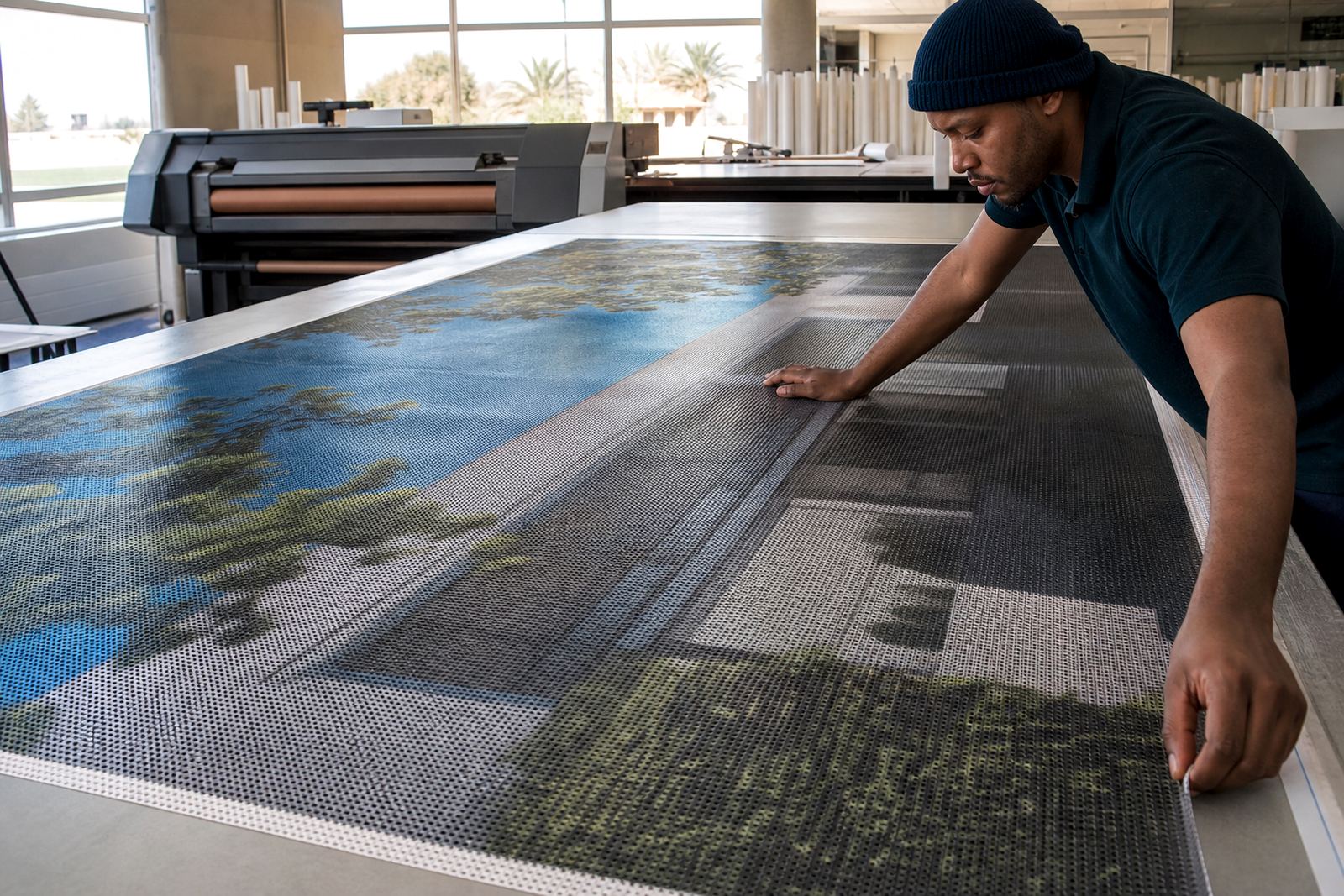
For complex sites we can handle site measuring, vehicle templating, artwork setup where needed, colour proofing, wide format printing for printed variants, film lamination, glass installation and vehicle installation. Old film removal and surface preparation are often the most time-consuming parts, especially where the glass has been in place for years and the adhesive has started to harden.
Care, Cleaning And Ongoing Servicing
Once installed, Plain Dot Film should be left to cure before heavy cleaning. The exact cure time depends on temperature and humidity, but it is best to avoid aggressive wiping during the first few days. After that, use a soft cloth, mild soap and clean water. Do not use abrasive pads, strong solvents or high-pressure spray directly on the edges, because that can lift the film over time.
Vehicles need a bit more care than fixed glass because road grime, hand contact and frequent window use can mark the surface. If the film is fitted to a window that moves, check that the edges are not catching on seals or trim. On shopfronts, regular dusting and gentle cleaning will keep the dot pattern looking even. If a section has lifted, become scratched or is no longer giving the right level of privacy, that section can often be replaced without removing the whole run.
Our refit and refresh service is useful when a frontage changes layout, a vehicle is rebranded, or older film needs to come off before new work goes in. In many cases the existing glass can be returned to a clean state with careful removal and a proper surface prep afterwards.
What To Check Before You Order
Before ordering, measure the glass accurately and note where handles, hinges, seals and safety markings sit. On vehicles, confirm which windows the film will cover and whether the intended use is for privacy, branding support or general shading. If the film must be visible from outside at a certain distance, say so upfront so the perforation ratio and layout can be matched properly.
It also helps to know whether the glass is flat or curved, inside or outside accessible, and whether there is existing film that needs removal. On older buildings, the edge condition matters more than people expect. Slight unevenness or damaged sealant can affect the finish. If you are in a coastal area or a site with strong afternoon sun, mention that too so the installer can plan for better edge sealing and material choice.
- Exact glass or window measurements
- Indoor or outdoor application
- Desired privacy level and daylight intake
- Vehicle window position and legal compliance check
- Need for removal of old film or stickers
- Any site access issues, height limits or timing constraints
For enquiries, customers can use the enquiry form on our contact page. We supply from Montague Gardens, Cape Town to Cape Town, Johannesburg, Durban, Pretoria and Gqeberha, with dispatch and fitting support arranged to suit the job.
Key facts
| Product type | Unprinted perforated one-way vision film |
|---|---|
| Typical use | Privacy, shading and subtle glazing treatment |
| View through | Filtered outward visibility from the inside in daylight |
| Surface finish | Plain dot pattern with no printed artwork |
| Application | Glass panels, shopfronts and vehicle windows |
| Service options | Measuring, fitting, removal, prep and dispatch |