What Partition Vision Film Does on Internal Glass
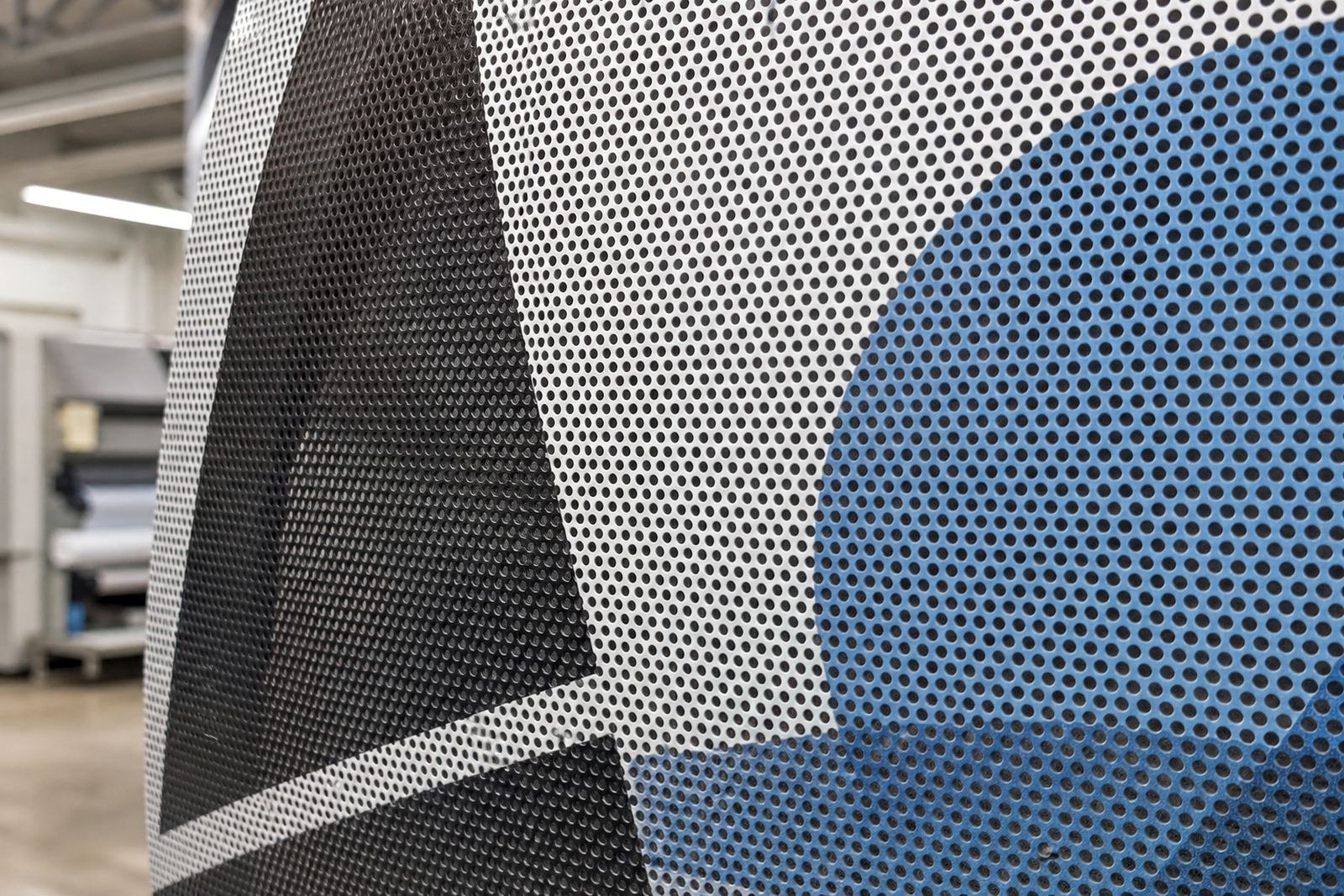
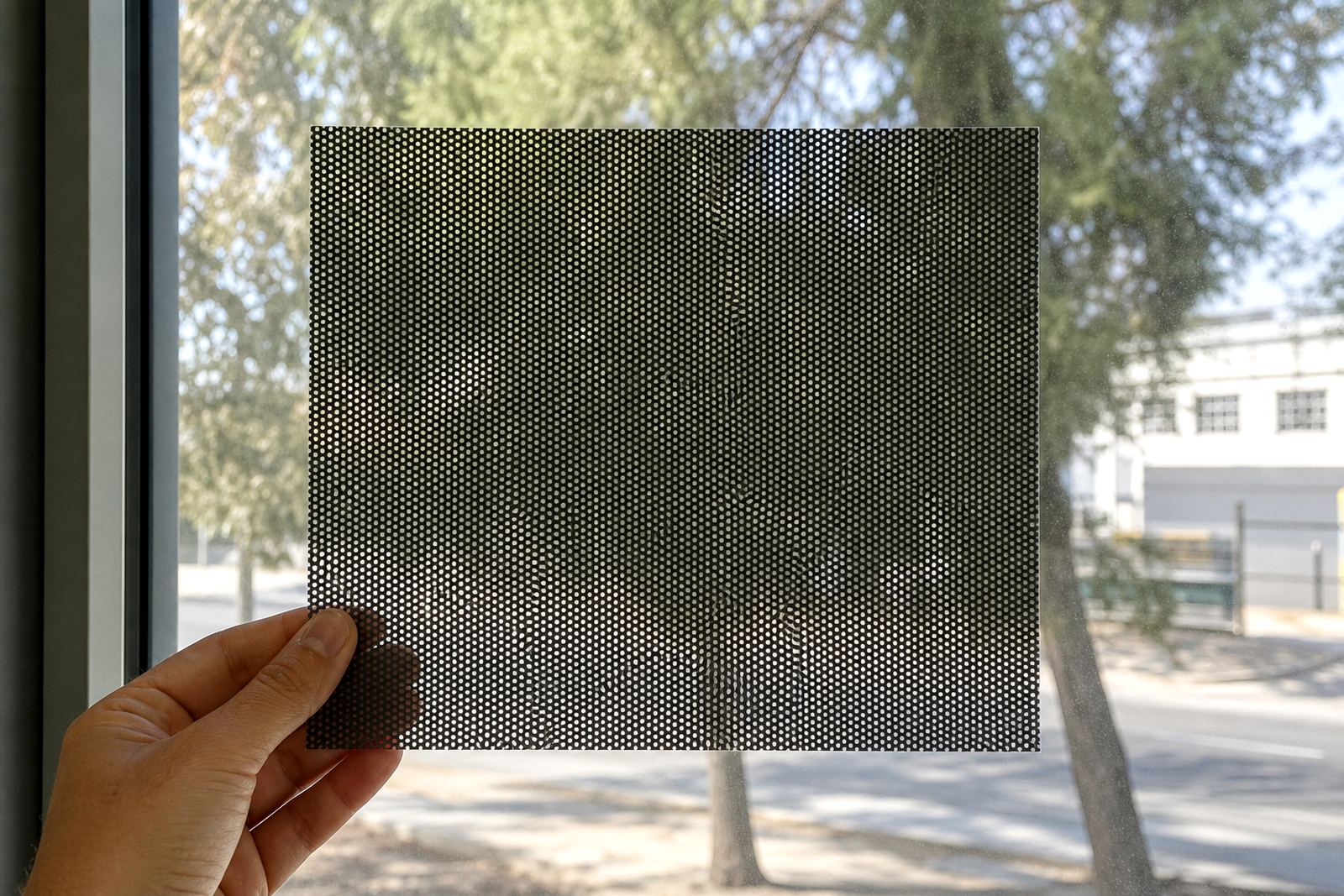
Partition vision film is a perforated vinyl film made for glass surfaces where people need to see out while graphics are shown on the printed face. The film has a pattern of small holes, usually in a 50/50, 60/40 or 70/30 perforation ratio, depending on how much image density and through-view is required. The printed side carries branding, wayfinding or privacy graphics, while the unprinted side still lets natural light through and preserves a clear line of sight from inside.
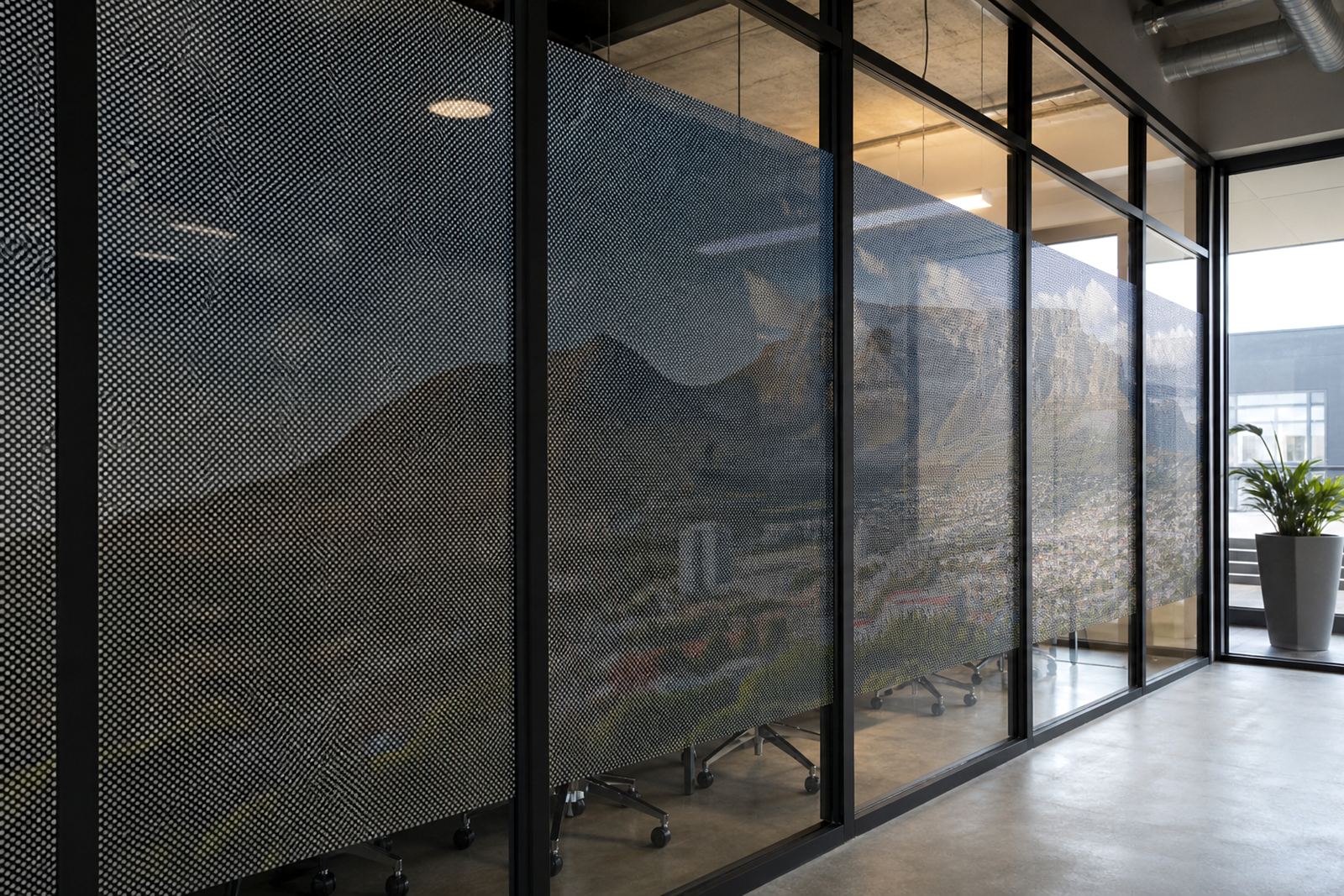
It is commonly used on internal glass partitions in offices, meeting rooms, reception areas, retail back-of-house spaces and security checkpoints. On the printed face, wide format printing is used with solvent, eco-solvent or UV inks, then the film can be laminated where extra surface protection is needed. In busy areas, lamination helps with scuff resistance and cleaning, especially where people brush past the glass or where cleaning is done often.
The finish is practical and neat, and it can be supplied in custom sizes for small panes or larger panels. For a strong visual result, the artwork needs to be set up carefully so text, logos and key shapes stay readable from the intended viewing distance. It sounds simple but the layout really matters.
Sizes, Perforation Ratios and Finish Options
We supply partition vision film cut to the panel sizes on site, or in rolls for larger runs and repeat installations. The exact size depends on the glass layout, frame spacing and whether the film is going onto a full-height partition or a smaller glazed section. Most projects are measured on site first, then the artwork is planned to suit the pane divisions and sight lines.
- Perforation ratios: 50/50 for stronger print density, 60/40 for a balanced view and print, 70/30 where more outside visibility is needed.
- Film widths: supplied to suit standard wide format printing and trimming, with joins planned where required for large glass areas.
- Surface finish: gloss for sharper colour pop or a matte look where glare reduction is preferred.
- Print option: full colour graphics, frosted effect layouts, text panels or directional markings.
- Lamination: clear protective lamination for higher traffic areas and easier cleaning.
For internal use, it is also worth checking the light conditions in the room. South facing glass, strong office lighting and reflective floors can change how the print reads during the day. A panel that looks fine in the morning can look very different at 3pm when the sun shifts, so the setup should be checked against the actual space.
Where It Suits Best in Offices, Retail and Public Spaces
Partition vision film suits places where privacy, branding and daylight all need to work together. In offices, it can separate teams without making the space feel closed off. In retail, it can hide storeroom activity, back corridors or service areas while still carrying a clean branded message. It also works well in clinics, schools, training rooms and municipal buildings where internal glass needs a clear purpose.
Because the film is perforated, it is especially useful in areas with people moving through all day. The printed side gives a consistent finish, while the inside view helps staff keep an eye on the passage behind the glass. That makes it practical for security, reception and open-plan environments where blind spots are not ideal.
- Reception counters and waiting areas
- Meeting rooms and boardrooms
- Office partitions and corridor glazing
- Retail stores and showroom divisions
- Clinics, schools and training centres
For glass in a public-facing area, the layout should support the function of the space. If the room needs privacy, the print can be heavier and more solid. If the room needs more openness, the design can use more open areas and lighter coverage. The point is to match the film to the job, not just cover glass for the sake of it.
Installation, site conditions and preparation
Installation starts with proper surface preparation. The glass must be clean, dry and free from dust, silicone residue, tape marks and paint overspray. Old stickers or film must be removed first if they are in the way. For best results, the pane should be measured, templated and checked for cracks, chips or irregular sealant lines before printing starts.
The glass itself does not need anything special, but fitting and production work need a tidy, workable area. For interior projects in occupied buildings, it helps if the space can stay clear while the film is being applied and while it settles afterwards. On some jobs the surrounding area can be used again soon, but a damp or dusty site calls for extra care.
Application is done wet or dry depending on panel size and installer preference, but large panes are usually handled with alignment marks and careful squeegee work to avoid bubbles. The film should bond to clean glass only, and the edges need to be checked so they do not lift where hands, trolley traffic or regular cleaning may catch them.
Care, Cleaning and Refit Planning
Partition vision film is straightforward to care for, provided it is cleaned correctly. Use a soft cloth or sponge with mild soap and water, then wipe dry with a clean lint-free cloth. Avoid abrasive pads, strong solvents and blade scraping over the printed face. If the pane is laminated, the protective layer adds extra resistance against everyday wear, but it still needs normal care rather than harsh treatment.
In coastal areas like Cape Town and Gqeberha, salt air and moisture can affect surrounding fittings, so regular inspection is useful even when the film itself is inside. In warmer inland sites, dust build-up can collect at the top edges of the glass and should be wiped away before it becomes visible from inside. A small clean-up every few weeks is better than waiting for the whole panel to look tired.
For offices that change tenants, departments or signage often, refit and refresh work can be planned around the existing glass sizes. That may mean removing old film, re-prepping the surface and fitting new graphics without changing the glazing. It is a practical way to update a space without major building work.
What to Check Before You Order
Good results start with the right information. When ordering partition vision film, the size of each pane, the viewing direction, the intended design and the installation site all matter. If the film is going onto internal glass near a public area, check whether any building manager or landlord has specific rules about branding on glass or emergency visibility.
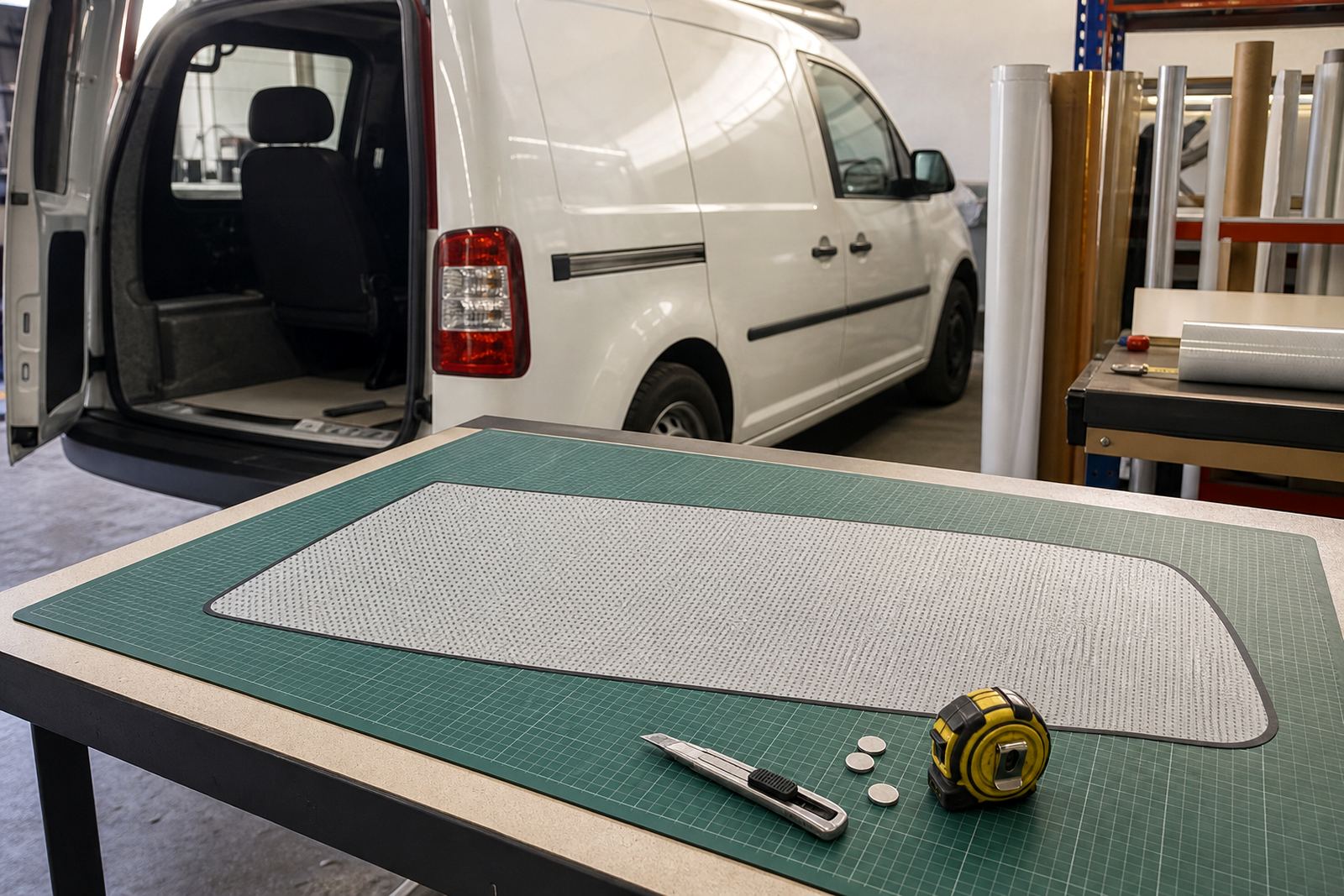
For vehicle use, if a similar perforated film is fitted to side or rear windows, the driver view must remain legal and you should check the current road traffic rules before ordering. On vehicles, the film must not block essential visibility or create a safety issue. That is especially important for rear windows, side windows and any glass that affects mirrors or lane checks.
- Measure the exact pane size, including frame clearances
- Confirm whether the print should be viewed from inside, outside or both
- Choose the perforation ratio that matches privacy and visibility needs
- Check if lamination is required for cleaning or wear
- Approve artwork sizes, colours and text legibility before production
- Confirm access times for installation and any site safety rules
If you are ordering for multiple branches or a national rollout, it helps to keep one set of measurements and artwork notes per site. That makes repeat supply easier across Cape Town, Johannesburg, Durban, Pretoria and Gqeberha, with less risk of mismatched panels or unnecessary rework.
Key facts
| Product type | Perforated partition vision film for internal glass |
|---|---|
| Perforation ratios | 50/50, 60/40, 70/30 |
| Print method | Wide format printed graphics on the visible face |
| Finish options | Gloss or matte, with optional lamination |
| Typical use | Offices, retail spaces, clinics, schools and reception areas |
| Supply areas | Cape Town, Johannesburg, Durban, Pretoria and Gqeberha |