Start with the campaign job, not the graphic
Before artwork is drawn up, decide what the window has to do. A clearance sale needs bold pricing and fast reading from the pavement. A product launch may need a cleaner look with a few strong visuals and one clear call to action. Seasonal messaging works best when it can be changed out quickly, especially for stores that run regular promotions in Cape Town, Johannesburg, Durban, Pretoria and Gqeberha.
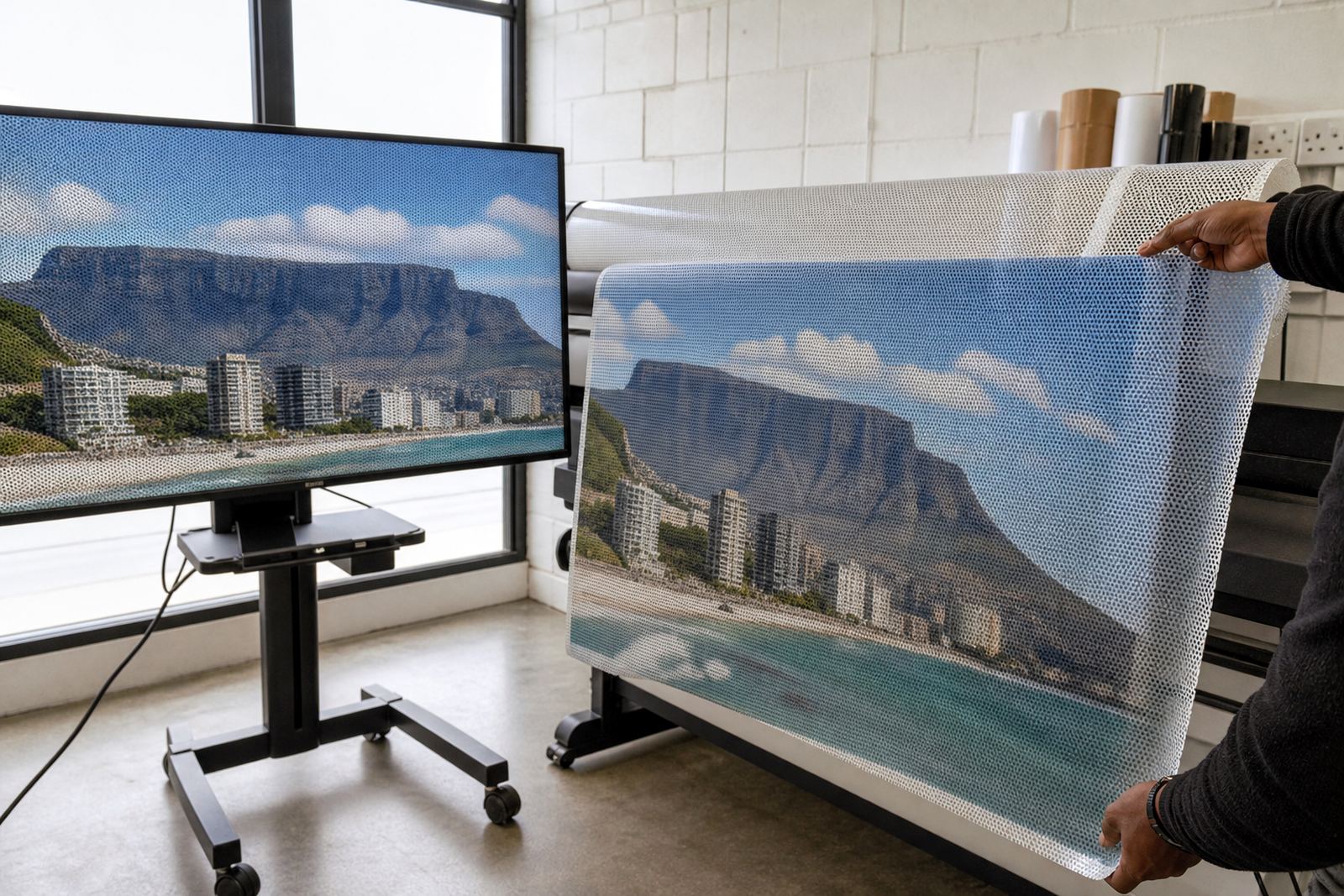
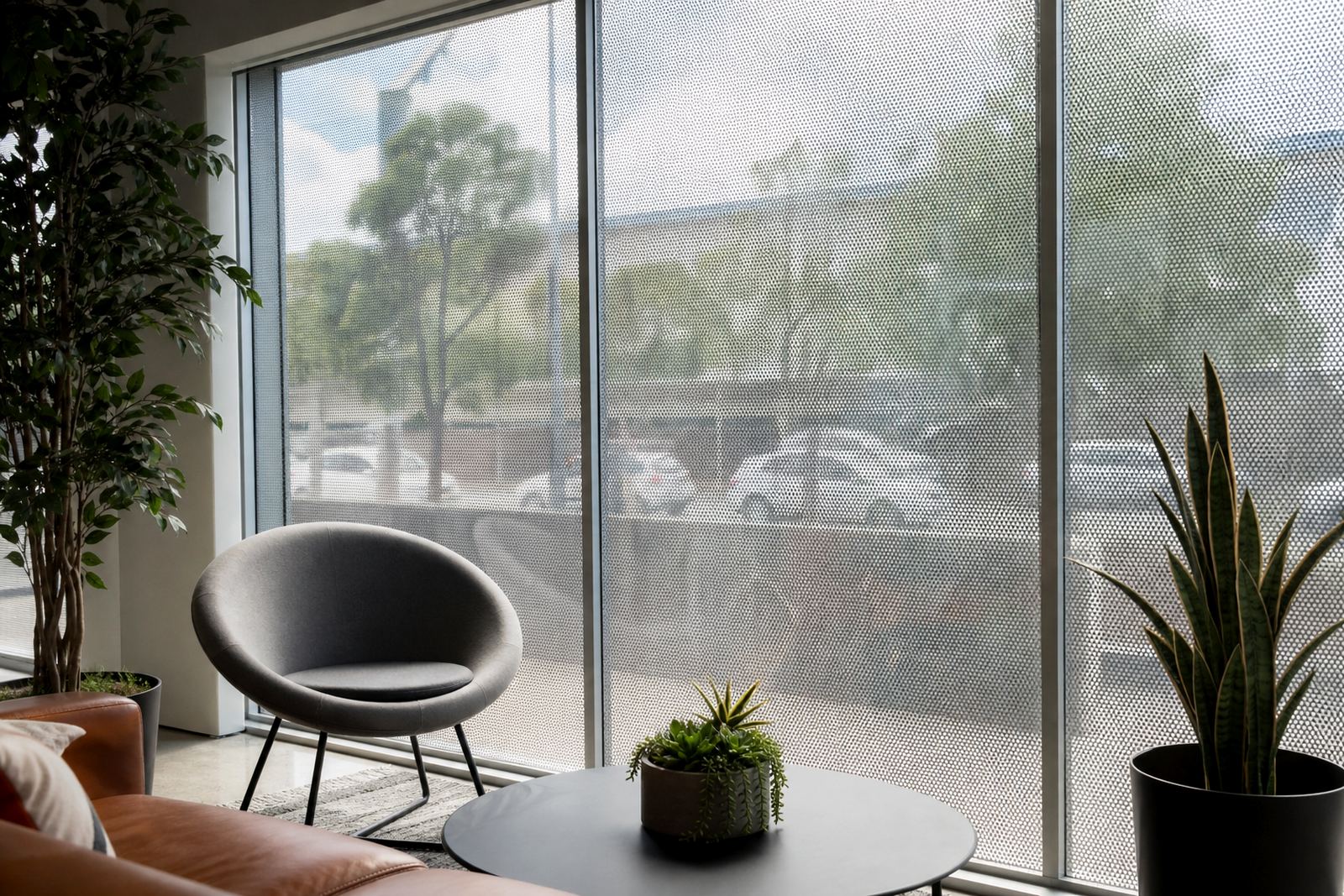
Perforated film is printed on the outer face while the inside remains see through. The usual perforation patterns allow a strong printed image outside and daylight visibility from inside, but the exact sightline depends on the hole pattern, print density and the lighting difference between inside and outside. That is why campaign planning should always include site measuring and a proper check of the glass area first.
At Montague Gardens, many retailers use it on entrance doors, full windows, back-of-house glazing and display panels. On vehicles it works on rear side windows and rear windows, provided the driver view stays legal and the current road traffic rules are checked before fitting anything to glass.
Choose the right window areas for the message
Not every pane should carry the same treatment. The best results usually come from matching the message to the viewing distance and the daily foot traffic. A street-facing shopfront can carry a larger visual block, while smaller panes near tills or entrances may need lighter coverage so the store still feels open.
For vehicle campaigns, consider where the car or bakkie is parked, how often it is driven and what must stay visible from inside. Rear side windows often work well for service routes and delivery vehicles, while rear windows can carry a strong promotional message without interfering with side mirrors. For any vehicle window film, keep the driver’s view legal and ask for current compliance guidance before installation.
- Use larger graphics where people pass at a distance.
- Keep key words short enough to read in traffic or from a pavement.
- Leave clear areas where staff need light and visibility inside.
- Check doors, handles, wipers and window curves before final artwork.
Build artwork that reads quickly
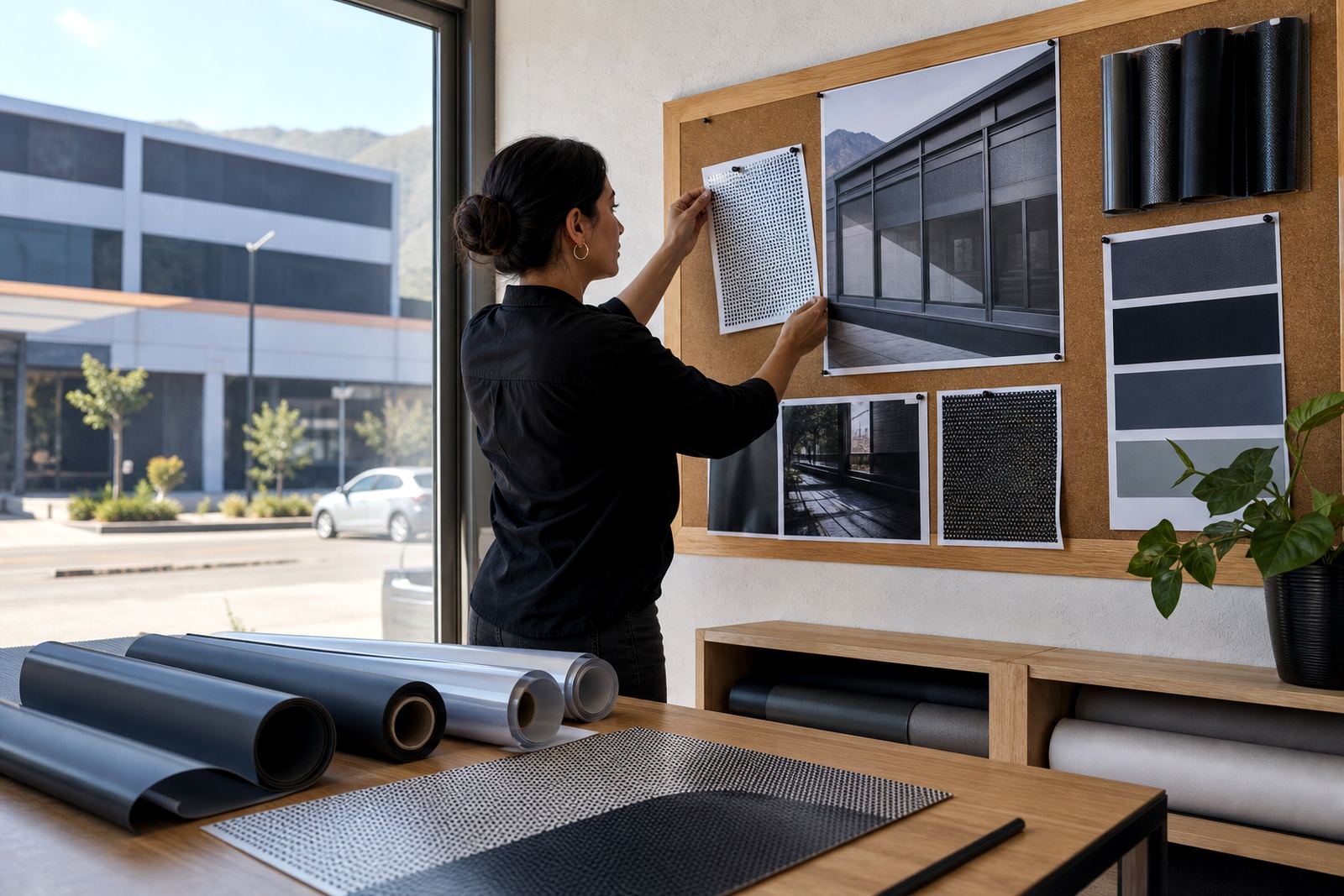
Retail window graphics must work in a few seconds. That means bold type, short copy and high contrast. White lettering on a dark field, or dark artwork on a light field, tends to hold up better than busy layouts. Fine detail can print, but it does not always read well through perforation. Avoid putting the main message over important seams or curved edges where the image may break up.
Good artwork also respects the film itself. The perforation means tiny holes are part of the finish, so large blocks of very solid colour can look slightly lighter than expected once printed and viewed from the outside. Lamination can help protect the print from sun, dust and frequent cleaning. For coastal areas like Durban and Gqeberha, that extra protection is useful where humidity and salt air can affect signage over time.
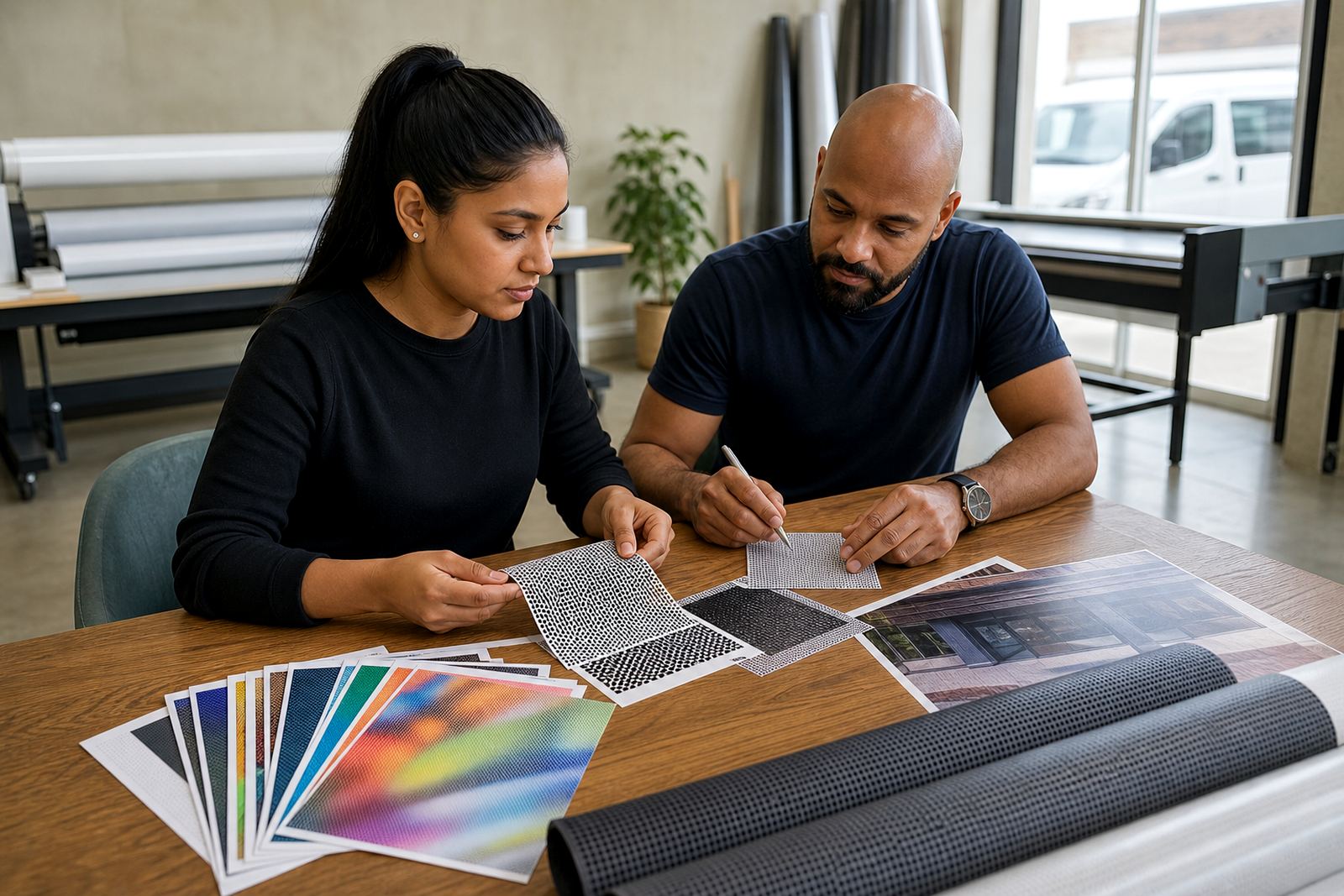
Colour proofing helps before production starts. It gives the client a chance to check logo tones, skin tones in lifestyle images and the exact balance between open glass and printed area. If the campaign uses photography, choose images that still make sense when seen from across the road, not only on a screen.
Plan printing and lamination for local conditions
Wide format printing is commonly used to produce perforated one-way vision film on the outer face before it is prepared for fitting. The film can be printed to suit a single bay window or a full retail frontage. Lamination is often added when the panel will face strong sun, repeated cleaning or daily exposure to road dust. On busy roads, the printed side can pick up grime quickly, so a protected surface often keeps the graphic looking sharper for longer.
In South Africa, different sites bring different practical issues. A Cape Town shop may need wind and salt spray consideration. A Johannesburg vehicle may see more dust and stop start traffic. Pretoria branches sometimes deal with strong afternoon sun on glass, while Durban sites often need attention to moisture and coastal humidity. These details matter because the same film behaves differently from one site to the next.
- Confirm the glass size and orientation before print setup.
- Allow for borders, seals, rivets and window frames.
- Decide whether the campaign needs temporary or longer use.
- Check if the surface will be washed, scraped or exposed to sprinklers.
Fit the film properly the first time
Successful installation starts with surface preparation. Glass should be clean, dry and free from polish, stickers, oil and old adhesive. On shopfronts, this may include removing older film first and checking for tint, cracks or damaged seals. On vehicles, the window must be cleaned carefully and any existing graphics or glue removed before new work begins.
Application to glass and vehicle windows should be done with correct alignment, a smooth squeegee process and enough time for the film to settle. Curved glass and framed doors need a steady hand. If the panel is too large for the site, it may need to be split into manageable sections so the joins are neat and the final look remains tidy. A rushed install often shows up later as lifted corners or trapped moisture, and nobody wants that when a sale starts on Friday morning.
For retail groups with branches in Bellville, Milnerton or across the country, consistent fitting standards help every site carry the same look. That is especially important when a campaign needs to run across several towns at once.
Use campaign timing to get more from the glass
Window graphics work best when they are part of the retail calendar. A back to school message needs to land before the rush starts. A winter promotion should be planned before the first cold spell. Festive campaigns, Easter specials and mid year sales all have different viewing patterns, so the message should match the buying mood. If the window is changed often, choose a layout that can be updated without replacing every panel.
Refit and refresh work is useful when a store is keeping the same window area but changing the campaign. Old film removal, fresh artwork and a new install can reset the whole frontage without major building work. This is often the practical choice for retailers wanting to keep the site active while changing promotions through the year.
For vehicle campaigns, a refreshed rear window can support a launch or branch opening while the vehicle is still in daily use. Just keep the copy clean and the legal view clear. That balance between message and visibility is the point of the product.
Final check before the campaign goes live
Before the job is signed off, walk through the site as a customer would. Read the headline from the pavement. Check the inside visibility from the counter or driver seat. Make sure the graphic supports the sale rather than cluttering the space. A good campaign window should feel organised, visible and easy to understand in a few seconds.
At OneWayVision in Montague Gardens, the full process can include site measuring, vehicle templating, artwork setup, colour proofing, wide format printing, film lamination, glass installation, vehicle installation, old film removal, surface preparation, nationwide dispatch and refit and refresh. Clients reach the team through the enquiry form on the contact page, which keeps the process simple from first measure to final fit.
If the goal is a retail campaign that can handle South African conditions and still look sharp, perforated one-way vision film remains a practical choice for shopfronts and vehicles alike. It gives the store a message outside and a working view inside, which is often exactly what a busy site needs.