Start with the use case: shopfront glass or vehicle windows
The first step is to decide where it will live. Shopfront glass and vehicle windows both use perforated one-way vision film, but the job is different. On a storefront, the film usually needs to carry strong graphics, cover a full pane, and still allow some daylight into the premises. On a vehicle, the film must suit curved glass, wipers, door seals and daily cleaning, while keeping the driver view legal and clear. Check the current road traffic rules before fitting film to any window that affects driving visibility.
For retailers, service providers and fleet owners, the right choice often comes down to viewing distance and how much of the inside you want hidden. A busy street in Cape Town CBD may need bolder graphics than a quieter road in Montague Gardens. In Johannesburg or Pretoria, where traffic sits close to the windows, a tighter image and stronger contrast may read better. Coastal humidity in Durban or Gqeberha can also affect preparation and fitting, so surface condition matters.
Choose the right perforation ratio for the balance you need
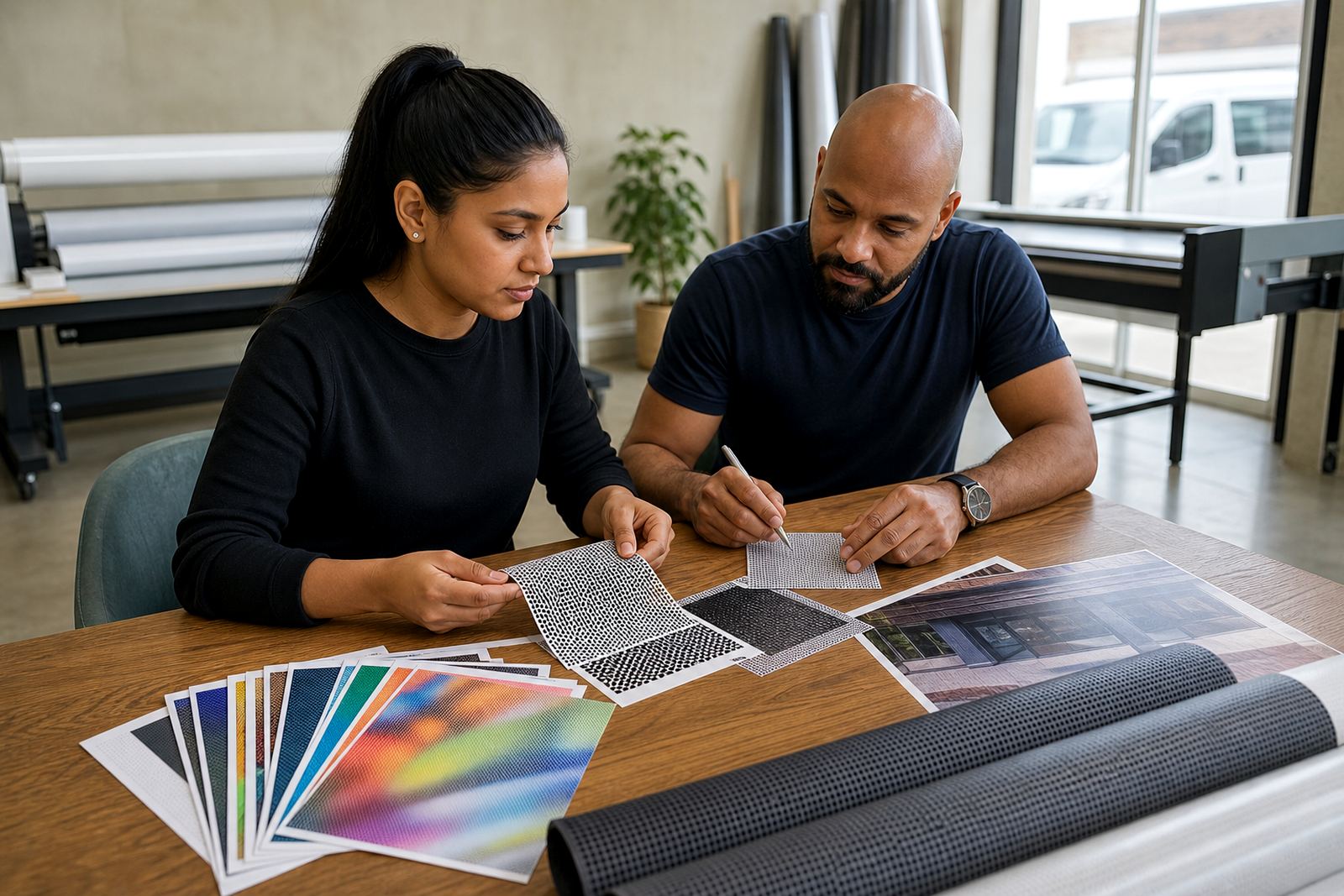
Perforated film is made with tiny holes across the surface, which creates the see-through effect from one side and the printed graphic on the other. Common ratios vary, and the best option depends on how much outside image detail you need and how much inside visibility you want to keep. A film with more printed area will normally give a stronger graphic, while a film with more open area can feel lighter from the inside. The trade off is simple: more image density outside usually means less transparency inside.
When comparing options, ask these questions first:
- How far away will people view the message from the street or pavement?
- Will the film cover a full window or only part of it?
- Do you need daytime privacy or maximum inside visibility?
- Will the window be cleaned often, especially on vehicles?
- Is the glass flat, lightly curved or heavily curved?
For shopfronts, a wider viewing distance can suit a richer printed face, while vehicle side windows often need a layout that respects curves and handles movement. In a litttle more exposed areas, like coastal streets with salt in the air, proper edge sealing and careful surface prep help the film last better.
Print quality, colour proofing and lamination matter more than people think
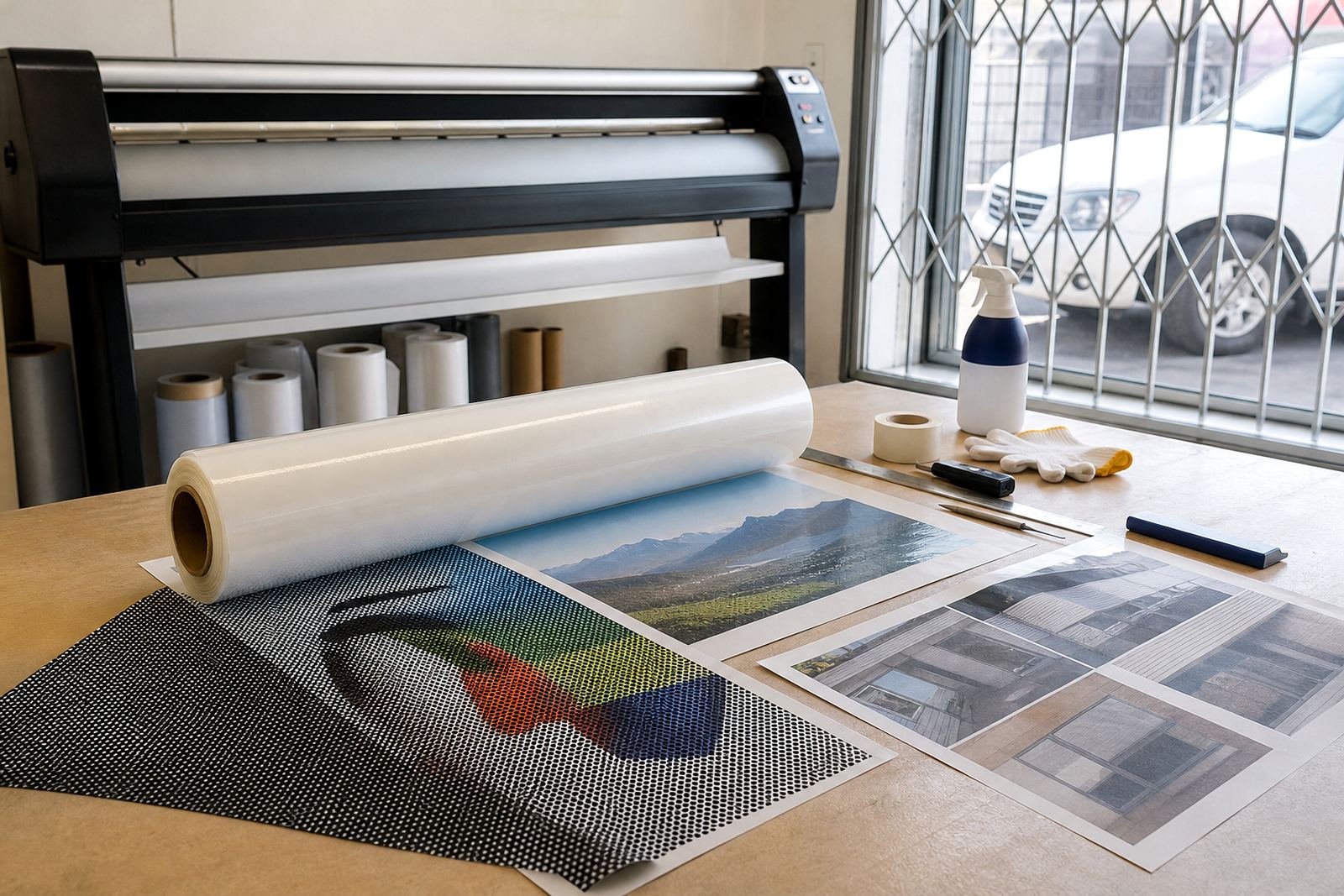
Good one-way vision film should carry crisp graphics without blocking the whole view. That starts with artwork set up at the right size and resolution, then colour proofing before print. Dark fills, clean logos and readable type usually work better than fine detail, because the perforations naturally soften small elements from a distance. On vehicles, text should be kept large enough to read while the car is moving and parked in traffic.
Lamination is worth asking about as well. A protective laminate can help with UV exposure, scuffing, cleaning and day-to-day wear. For shopfront glass facing strong sun, lamination can support a cleaner finish over time. For vehicle graphics, it can help the print stand up to hand washing and road grime. If the film will be fitted near handles, sliding windows or frequent touch points, ask how the laminate affects thickness and flexibility.
Before print day, check your final artwork against this list:
- Correct measurements for every panel
- Readable text size from the expected viewing distance
- Colours adjusted for glass and natural light
- Any cut lines, seams or joins clearly marked
- Driver side visibility considered where needed
Measure properly before you print or fit anything
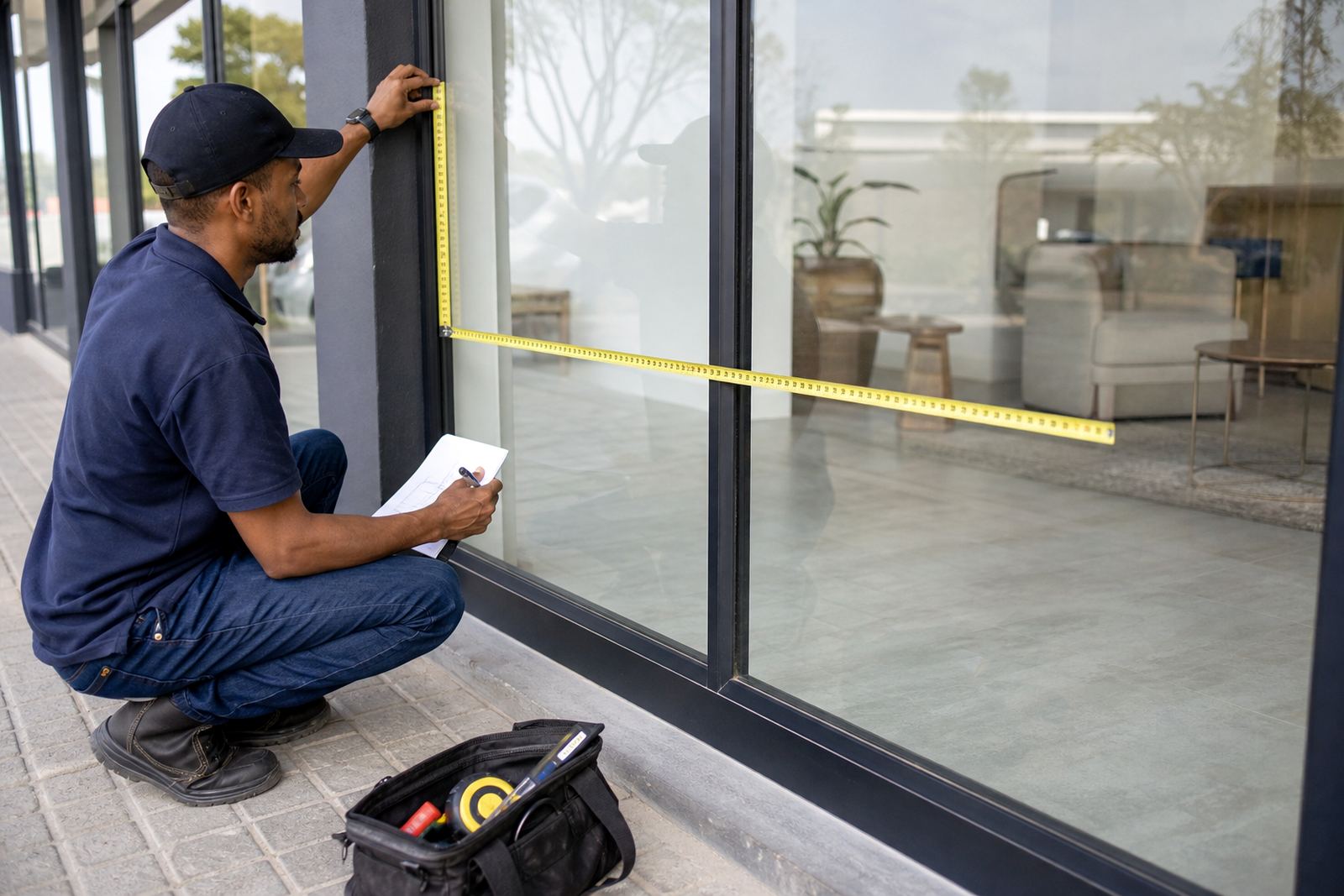
Accurate measuring saves time, waste and rework. For shopfronts, measure each pane separately because glass sizes often vary by a few millimetres. Allow for frames, seals, handles and any areas that must stay clear. For vehicles, templating is essential since windows are rarely identical across makes and body shapes. Side windows, rear windows and quarter glass each need their own measurements, especially if the film will wrap around curves.
Surface preparation should not be rushed. Glass must be clean, free of dust, adhesive residue and old film fragments. If old film is being removed, the glass may need extra cleaning before new film goes on. On vehicles, check for scratches, chips, heated wires and tint already on the glass.
Use this fitting checklist before the team starts:
- Glass or window surface fully cleaned
- Old film removed where required
- Measurements confirmed on site
- Installation area shaded and protected from wind
- Access arranged for ladders, lifts or vehicle positioning
Think about maintenance, cleaning and replacement from the start
One-way vision film is not a once-off decision. It should be chosen with cleaning, weather and future updates in mind. Shopfronts in busy areas may need a refresh when promotions change, while fleet graphics can be replaced when branding updates or vehicles are reallocated. If the film is temporary, ask how removal will be handled so the glass or vehicle window is not damaged.
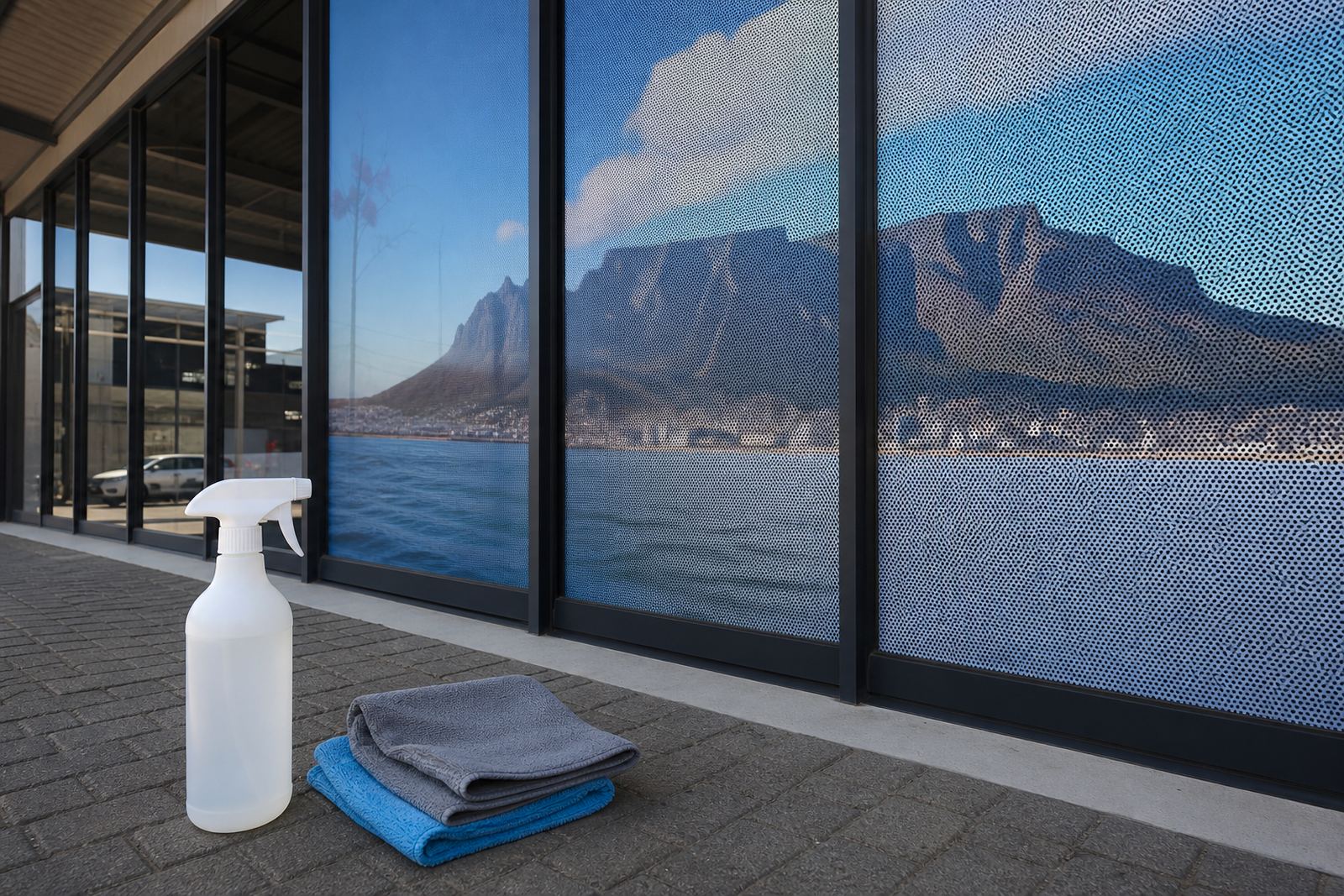
Cleaning is simple when the correct products are used. A soft cloth, mild cleaner and light hand are usually enough. Harsh solvents, sharp blades and aggressive scrubbing can shorten the life of the print and the laminate. On coastal routes and industrial areas, grime can build up faster, so plan for regular maintenance. If you expect frequent changes, choose a setup that makes refit and refresh practical rather than messy.
For businesses supplying multiple branches or sites across South Africa, nationwide dispatch can keep the process moving, but local fitting still matters for the best result. Whether the job is in Bellville, Milnerton, Durban, Pretoria, Gqeberha or Johannesburg, the same rule applies: good prep, correct measurements and proper installation make the difference between a neat result and a short-lived one.
A simple buyer checklist before you send in the enquiry
If you are still deciding, work through the following points before you submit the enquiry form on the contact page. This will help the team quote and plan correctly, and it also reduces delays once production starts. A clear brief is especially useful when you need both glass installation and vehicle installation in the same project.
- Location of the site or vehicle, including town and branch area
- Glass type, size and number of panels
- Whether old film must be removed
- Whether you need site measuring or vehicle templating
- Printing details, artwork status and colour requirements
- Whether the film is for privacy, branding or both
- Any deadlines, site access issues or after-hours fitting needs
If you are not sure which perforation ratio, finish or layout will suit your windows best, ask for a review before print. A little planning up front usually gives a cleaner result and fewer changes on installation day. That is especially useful on vehicle graphics, where one wrong cut can affect visibility and the final fit.